Character Models for Zoos and Aquariums
We Build Custom 3D Props
The Art of Turning Education Into Experience
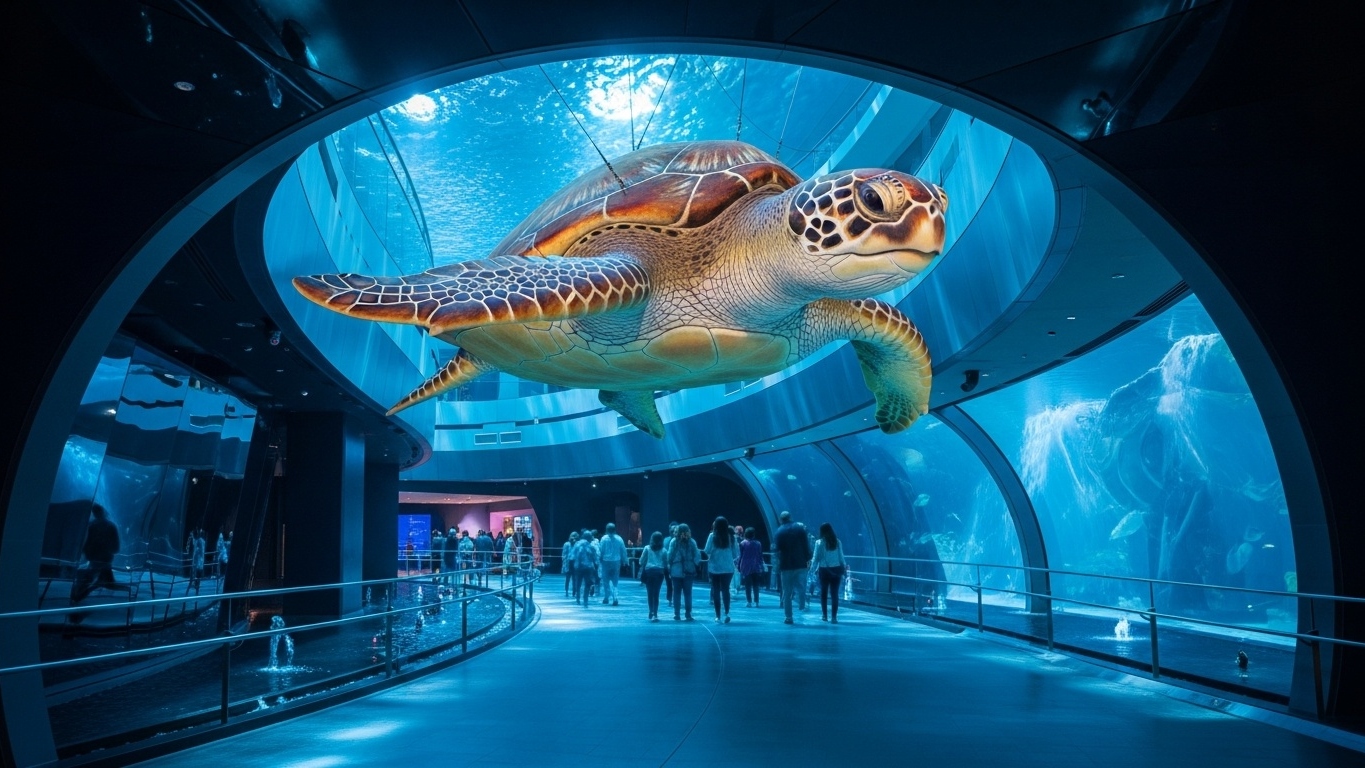
Walk into a modern zoo or aquarium today, and you’ll quickly realize that it’s no longer just about observing animals behind glass or across enclosures. It’s about stepping into immersive environments where storytelling, education, and imagination converge. One of the most powerful tools driving this transformation is the use of character models—lifelike, stylized, or even fantastical representations of animals and environmental elements that help visitors connect emotionally with the natural world. Character models serve as bridges between science and storytelling. They guide visitors, spark curiosity, and make complex ecological concepts approachable. Whether it’s a towering animatronic whale, a playful cartoon-style penguin mascot, or a hyper-realistic replica of an extinct species, these models are carefully crafted to inspire wonder while reinforcing conservation messages.

What Are Character Models in Zoos and Aquariums?
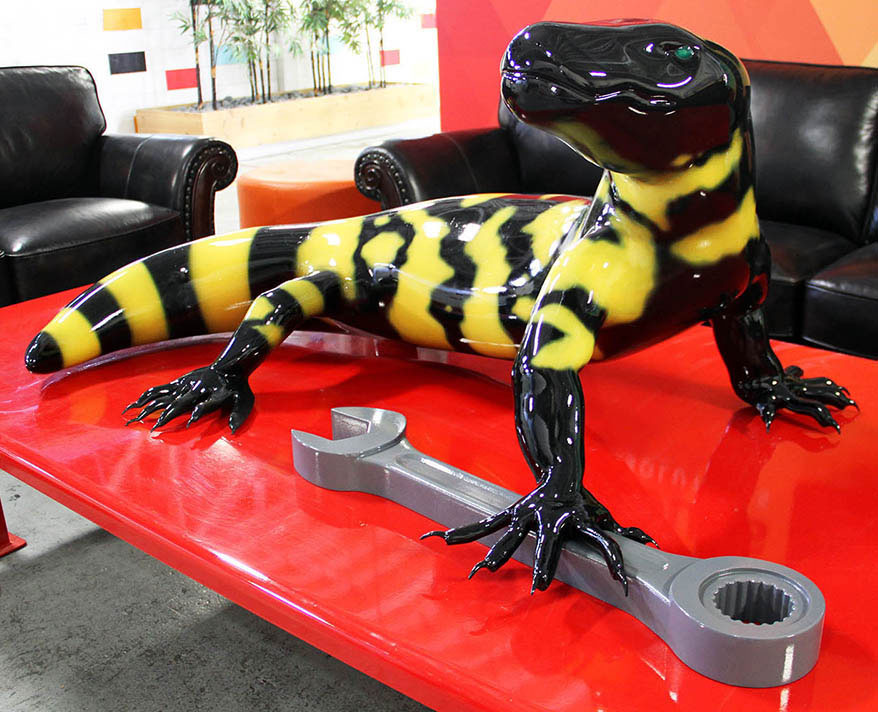
Character models are three-dimensional figures designed to represent animals, ecosystems, or educational concepts. Unlike static signage or digital displays, they exist physically in space, inviting interaction and exploration. These models range widely in style, from ultra-realistic sculptures that mimic every detail of an animal’s anatomy to stylized, friendly characters designed to appeal to younger audiences.
- In zoos, you might encounter life-sized replicas of animals that are difficult to exhibit, such as nocturnal species or those requiring highly specialized habitats.
- In aquariums, character models often represent deep-sea creatures rarely seen by humans, offering a tangible glimpse into otherwise inaccessible environments.
Beyond realism, character models also embrace creativity. A coral reef might be populated with exaggerated, colorful fish designed to catch children’s attention, while a rainforest exhibit might include anthropomorphic guides who “talk” to visitors through audio or interactive displays.
Why Character Models Matter
Character models do more than decorate spaces—they transform how visitors learn and engage. Humans are naturally drawn to stories and characters. When information is tied to a memorable figure, it becomes easier to absorb and recall.
For children, character models can turn a visit into an adventure. A friendly sea turtle character might guide them through an exhibit, explaining migration patterns and threats like plastic pollution in a way that feels personal and engaging. For adults, hyper-realistic models can create moments of awe, especially when encountering creatures that are otherwise hidden in the depths of the ocean or the remote corners of the world.
These models also play a crucial role in accessibility. Not every visitor can interpret scientific text or diagrams easily, but a well-designed character can communicate ideas visually and intuitively. This inclusivity makes exhibits more effective for diverse audiences, including non-native speakers and younger learners.
Styles and Approaches to Character Design
Realistic models aim to replicate animals with scientific accuracy. These are often used in educational exhibits where precision matters, such as anatomy displays or extinct species reconstructions. Every detail—from skin texture to coloration—is carefully researched and executed.
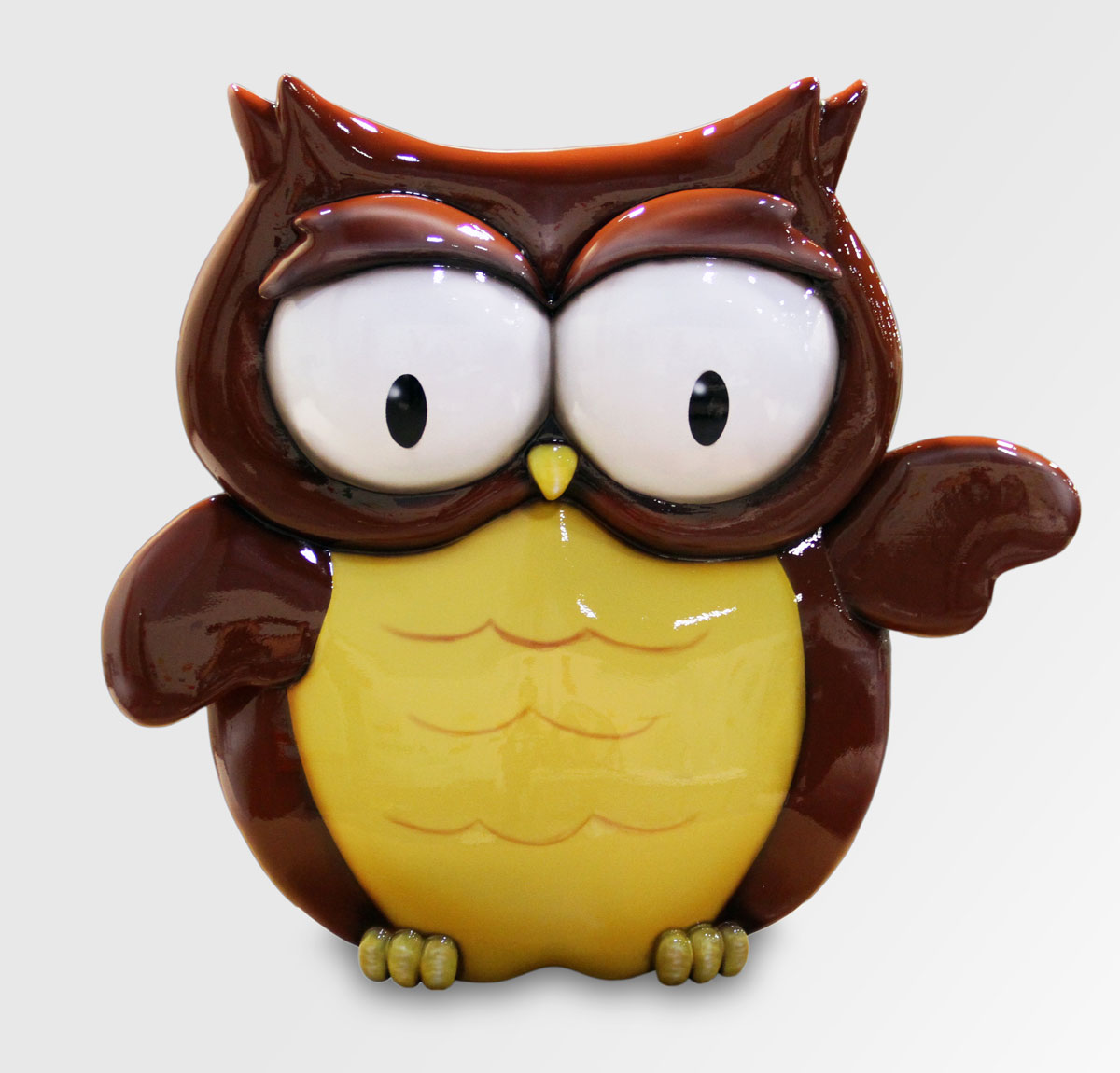
Stylized models, on the other hand, prioritize personality and approachability. These characters may have exaggerated features, expressive faces, or vibrant colors. They are particularly effective in children’s zones or family-friendly exhibits where engagement and fun are key goals.
Hybrid models blend realism with stylization. They maintain recognizable anatomical features while incorporating subtle artistic enhancements to make them more visually appealing or emotionally engaging. This approach is common in modern exhibit design, where the goal is to balance education with entertainment.
Enhancing Storytelling Through Environment
Character models rarely exist in isolation. They are part of a larger narrative environment that includes set design, lighting, sound, and interactive elements. Together, these components create immersive worlds that transport visitors beyond the boundaries of the zoo or aquarium.
Imagine entering a deep-sea exhibit. The lighting dims to a cool blue, ambient sounds mimic the ocean’s depths, and a massive model of a bioluminescent creature hovers overhead. Nearby, smaller character models illustrate different species, each accompanied by subtle animations or audio cues. The result is an experience that feels less like an exhibit and more like a journey into the unknown.
In rainforest exhibits, character models might be integrated into tree trunks, vines, and canopy structures, encouraging visitors to look up, down, and around. This spatial storytelling encourages exploration and discovery, making the learning process more dynamic and memorable.
Educational Impact and Conservation Messaging
At their core, zoos and aquariums are institutions of education and conservation. Character models play a vital role in communicating these missions. By giving abstract concepts a physical form, they make issues like habitat loss, climate change, and biodiversity more tangible.
A model of a polar bear standing on a shrinking ice platform can convey the urgency of climate change more effectively than text alone. A series of character models showing the life cycle of a sea turtle—from hatchling to adult—can illustrate the challenges these animals face in a way that resonates emotionally.
These models also help highlight species that are not currently on display. Endangered or extinct animals can be represented through character models, ensuring their stories are still told. This expands the educational scope of an exhibit beyond its living inhabitants.
Interactivity and Engagement
In some exhibits, pressing a button might trigger a character model to move or produce sound. In others, augmented reality features can bring models to life through mobile devices, adding layers of digital animation to physical forms.
This interactivity not only enhances engagement but also reinforces learning. When visitors actively participate in an exhibit, they are more likely to retain the information presented. For children, especially, this hands-on approach can turn education into play.

Designing for Durability and Safety
Zoos and aquariums are high-traffic environments, often exposed to varying conditions such as humidity, temperature fluctuations, and direct interaction from visitors. Character models must be designed with durability in mind.
Materials are chosen not only for their aesthetic qualities but also for their ability to withstand wear and tear. Surfaces must be resistant to scratches, impacts, and environmental factors. Additionally, safety is a top priority. Edges are smoothed, structures are reinforced, and finishes are non-toxic and easy to clean.
Designers must also consider maintenance. Models should be accessible for repairs and cleaning without disrupting the overall exhibit. This requires thoughtful planning during the design and fabrication stages.
How Character Models Are Fabricated
The fabrication of character models is a fascinating blend of art, engineering, and craftsmanship. The process typically begins with concept design, where artists create sketches and digital renderings based on the exhibit’s goals and themes. These concepts are refined through collaboration with educators, scientists, and designers to ensure accuracy and effectiveness.
Once the design is finalized, a structural framework is created. This internal armature provides support and defines the model’s shape. Materials such as steel, aluminum, or reinforced plastics are commonly used for this stage, depending on the size and complexity of the model.
The next step involves sculpting the outer form. High-density foam is often used as a base material because it is lightweight and easy to shape. Artists carve and refine the foam to achieve the desired contours and details. For highly detailed models, clay or digital sculpting techniques may be employed before creating molds.
After sculpting, the model is coated with durable materials such as fiberglass or resin. This outer shell provides strength and longevity, protecting the model from environmental factors and physical interaction. Once cured, the surface is sanded and prepared for finishing.
Painting is a critical stage in the process. Skilled artists apply multiple layers of paint to achieve realistic textures and colors. Techniques such as airbrushing, hand-painting, and dry brushing are used to create depth and detail. For stylized models, bold colors and patterns may be used to enhance visual appeal.
In cases where movement is required, animatronic components are integrated into the model. Motors, sensors, and control systems allow the character to move, respond to visitors, or perform programmed actions. This adds an extra layer of engagement and realism.
Finally, the model is installed within the exhibit. This involves careful coordination to ensure proper placement, stability, and integration with other elements. Lighting, sound, and interactive features are tested and adjusted to create a cohesive experience.
The Future of Character Models
As technology continues to evolve, so too do the possibilities for character models in zoos and aquariums. Advances in materials, digital fabrication, and interactive technology are opening new doors for creativity and innovation.
3D printing allows for more precise and efficient production of complex shapes. Augmented reality and projection mapping can add dynamic visual effects to static models. Artificial intelligence may enable characters to respond more intelligently to visitor interactions, creating personalized experiences.
Sustainability is also becoming a key consideration. Designers are exploring eco-friendly materials and fabrication methods to reduce environmental impact. This aligns with the broader mission of zoos and aquariums to promote conservation and environmental stewardship.
Creating Lasting Impressions
Character models have the power to transform a visit into a lasting memory. They capture attention, evoke emotion, and communicate ideas in ways that words alone cannot. For many visitors, these models become the highlights of their experience—the moments they photograph, share, and remember long after they leave.
In a world where attention is increasingly divided, creating meaningful connections is more important than ever. Character models provide a unique opportunity to engage audiences on multiple levels, blending art, science, and storytelling into a single, cohesive experience.
Where Imagination Meets Conservation
Character models for zoos and aquariums represent a perfect fusion of creativity and purpose. They are not just decorative elements but powerful tools for education, engagement, and conservation. By bringing wildlife stories to life, they inspire curiosity, foster empathy, and encourage action. As these institutions continue to evolve, character models will remain at the forefront of exhibit design, helping to bridge the gap between humans and the natural world. Whether through lifelike realism or imaginative storytelling, they remind us of the beauty, complexity, and fragility of the ecosystems we share.