Giant Statues for Comic Conventions: Larger-Than-Life Icons That Stop Crowds in Their Tracks
Walk into any major comic convention and you can feel it before you even see it. The buzz. The camera flashes. The slow ripple of a crowd forming around something extraordinary. Then you turn a corner—and there it is. A towering, hyper-detailed superhero poised mid-leap. A legendary villain frozen in dramatic stillness. A massive mech suit standing guard over a booth like a futuristic monument. Giant statues for comic conventions are more than decorations. They are centerpieces. Conversation starters. Social media magnets. They define booth identity, drive foot traffic, and transform standard exhibit space into immersive storytelling environments. In an industry built on spectacle and imagination, scale matters. And nothing commands attention like a larger-than-life figure crafted with cinematic realism. This guide explores why giant statues have become staples of comic conventions, how they’re designed and fabricated, what materials make them durable and transportable, and how brands, studios, and artists use them to dominate the show floor.

Why Giant Statues Dominate Comic Conventions
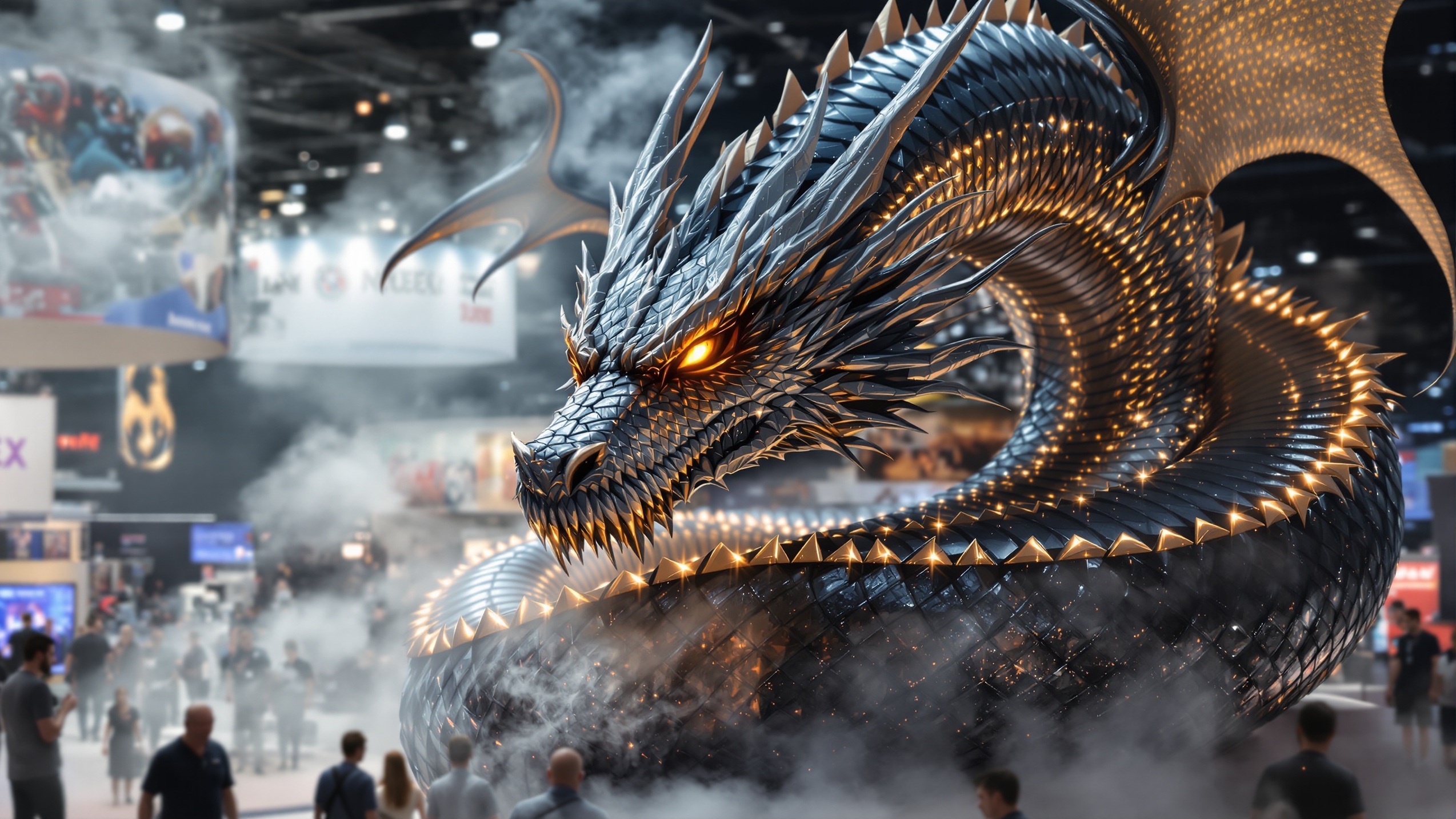
Comic conventions are crowded, competitive, and visually overwhelming. From sprawling artist alleys to high-budget studio booths, every exhibitor is fighting for attention. In this environment, vertical presence is power. A towering statue creates instant visibility across aisles. It becomes a landmark. Attendees don’t say, “Meet me by Booth 2143.” They say, “Meet me by the giant dragon.” The statue becomes navigational shorthand.
More importantly, giant statues trigger emotion. Fans respond to scale instinctively. Seeing a beloved character at monumental proportions amplifies awe and nostalgia. It turns fandom into physical experience. Major events like San Diego Comic-Con and New York Comic Con have become showcases for these towering builds. Studios routinely unveil statues 12 to 25 feet tall to promote blockbuster films, game releases, and streaming series. The spectacle fuels press coverage and social sharing, multiplying the reach far beyond the convention hall. In a digital era, physical scale is a strategic advantage.
The Psychology of Scale and Spectacle
Humans are wired to notice large objects. Skyscrapers inspire awe. Monuments evoke reverence. The same psychology applies on the convention floor.
A 20-foot statue creates:
- Height dominance in a sea of booths
- A natural photo backdrop
- A sense of cinematic immersion
- Emotional amplification of the character
Scale communicates importance. When a brand invests in a monumental sculpture, it signals that the character, franchise, or launch is a big deal.
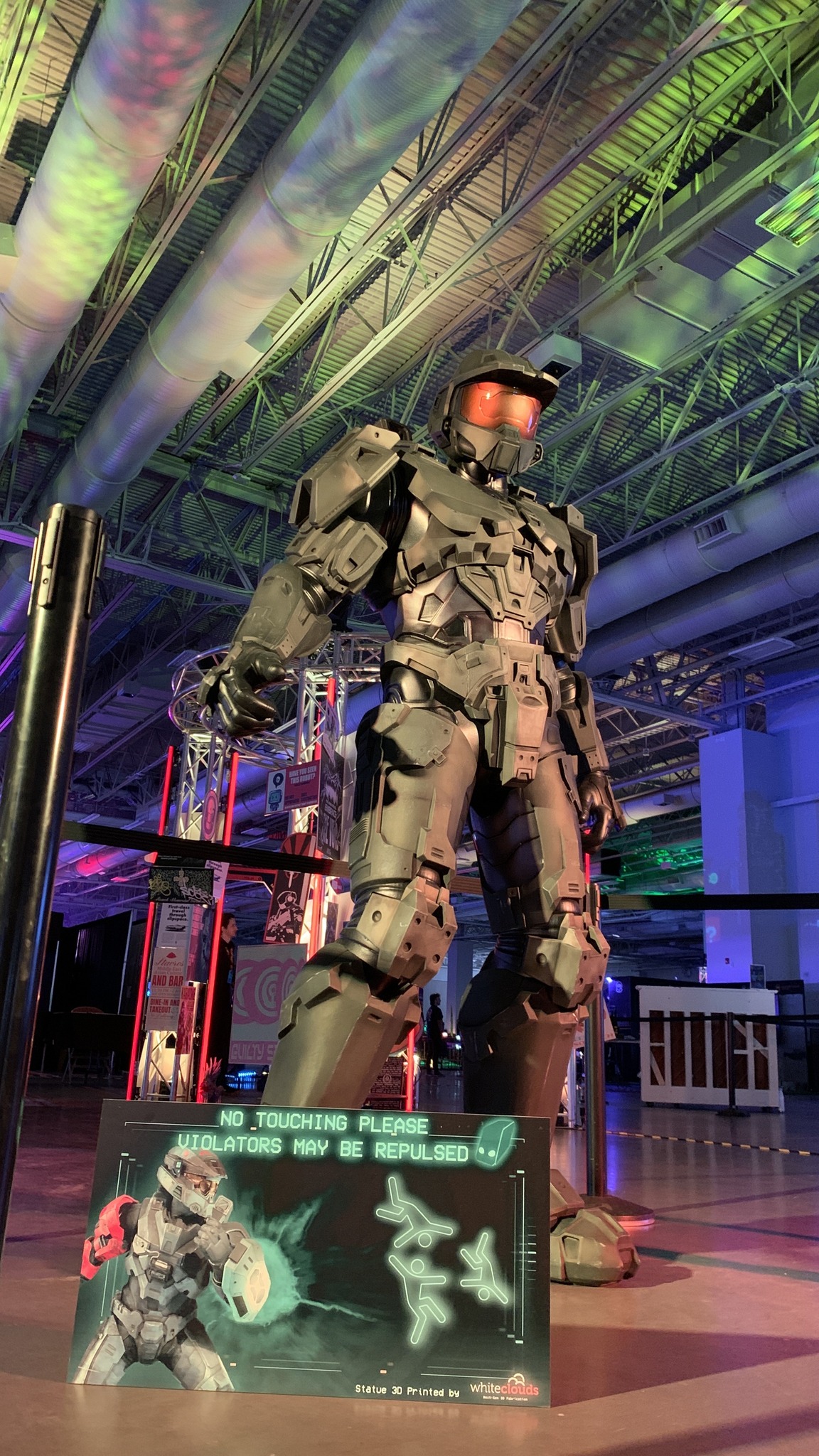
This is especially effective for superhero and fantasy properties. A massive armored hero feels powerful. A towering kaiju feels intimidating. A larger-than-life space marine feels battle-ready. Scale reinforces narrative tone. And then there’s the social media effect. Fans line up to take photos with these statues, generating organic promotion. One well-designed giant statue can produce thousands of posts across Instagram, TikTok, and YouTube during a single weekend.
Types of Giant Statues Seen at Conventions
Giant statues come in many forms, depending on the theme and marketing goal.
- Superhero icons are the most common. Dynamic poses—leaping, flying, landing—create movement and energy. Capes are sculpted mid-flow. Armor gleams under exhibit lighting.
- Villains are often presented in dramatic, imposing stances. Clenched fists. Massive weapons. Elaborate bases featuring rubble, flames, or cityscapes.
- Fantasy creatures also dominate convention floors. Dragons with wings spanning entire booths. Mythical beasts coiled around stage structures. Colossal robots or mechs standing guard over entrances.
- Gaming franchises frequently commission detailed character statues or oversized props, such as weapons or helmets, scaled up to monumental proportions.
Even stylized, cartoon-inspired characters can be built at giant scale, creating playful yet eye-catching displays that appeal to broad audiences.
Design: From Concept Art to Showpiece
Every giant statue begins with concept development. The process typically starts with existing character assets—film models, game renders, or comic illustrations. Designers must determine the pose, scale, and emotional tone. At convention scale, proportions must sometimes be exaggerated slightly to maintain visual impact from a distance. Details that look subtle in a 3D model may need to be enhanced so they read clearly under bright overhead lights and from multiple angles.
Digital sculpting tools allow designers to build high-resolution 3D models before fabrication begins. This phase includes:
- Refining anatomy and costume details
- Engineering internal support structures
- Planning breakpoints for transport
- Designing bases that integrate with booth layouts
Because convention halls have strict height limits, fire regulations, and weight restrictions, the design must align with venue guidelines. For example, displays at San Diego Comic-Con must comply with structural and safety rules that affect final dimensions. Design is not just artistic—it’s logistical.
How Giant Statues Are Fabricated
Fabricating a giant statue for a comic convention is a multidisciplinary process that blends sculpture, engineering, carpentry, painting, and structural design.
The process typically follows several key stages.
1. Digital Sculpt and Scaling
The finalized 3D model is scaled to full size. Engineers divide the statue into manageable sections for transport and assembly. Large builds may be broken into torso, limbs, head, base, and accessory components. Internal armatures are designed to ensure stability. These frameworks are often built from steel or aluminum tubing to create a strong yet lightweight skeleton.
2. Structural Core Construction
The internal frame is constructed first. This skeleton supports the outer sculpted layers. Depending on the size, the base may include weighted platforms or anchor points to prevent tipping. For statues exceeding 15 feet, structural engineering becomes critical. Wind load may not matter indoors, but crowd vibration, accidental contact, and uneven flooring must be considered.
3. Sculpting and Surface Development
The outer form is typically created using materials such as:
- High-density foam
- Expanded polystyrene
- Fiberglass
- Urethane resins
- Lightweight composites
CNC machines may rough-cut large foam blocks based on the digital model. Sculptors then refine the surface by hand, carving fine details into armor, muscle definition, facial expressions, and costume textures. Fiberglass layers are often applied for durability. Resin coatings add strength and create smooth, paintable surfaces.
4. Detailing and Finishing
Once the form is finalized, painters bring the statue to life. Airbrushing techniques add depth, highlights, weathering effects, and metallic finishes.
LED lighting may be embedded into eyes, armor panels, or weapon effects to enhance realism. Some builds incorporate subtle motion features, such as rotating bases or animated light sequences.
Protective clear coats ensure the finish withstands transportation and handling.
5. Modular Assembly and Transport
Because convention statues must travel, modularity is essential. Sections are designed to bolt together seamlessly on-site.
Transport crates are custom-built. Foam padding protects delicate surfaces. Installation teams assemble the statue at the convention center, often within tight setup windows.
The entire fabrication timeline can range from several weeks to several months, depending on complexity.
Materials That Balance Strength and Portability
Weight is the enemy of mobility. A giant statue must look monumental without becoming impossible to transport.
Foam cores are common because they are lightweight and easy to carve. Fiberglass adds durability without excessive weight. Aluminum armatures are preferred over steel when possible to reduce overall mass.
Some modern builds incorporate carbon fiber elements for strength-to-weight efficiency, particularly for extended wings or raised weapons.
The base is usually the heaviest component, providing necessary ballast for stability. Designers carefully distribute weight so the center of gravity remains low and secure.

Engineering for Safety and Compliance
Safety is non-negotiable at major conventions. Large crowds move unpredictably. People lean, bump, and take close-up photos.
Engineering considerations include:
- Hidden support rods for outstretched limbs
- Reinforced attachment points
- Fire-resistant coatings
- Compliance with venue height restrictions
- Load-bearing calculations
Convention centers require documentation for large structures. Displays at New York Comic Con, for example, must meet union labor guidelines and structural standards. Professional fabricators work closely with event coordinators to ensure safe installation.
Marketing Power: Why Brands Invest in Giant Statues
Giant statues are expensive. So why do studios and brands invest heavily in them? Because they work. A towering statue becomes a marketing engine. It attracts press coverage. It dominates photo galleries. It anchors livestream broadcasts. It encourages attendees to linger at a booth, increasing engagement time. For blockbuster releases, the statue may be the first physical manifestation of a new costume or character redesign. The reveal becomes a media moment. Gaming companies use statues to immerse players in upcoming worlds. Streaming platforms use them to build hype for premiere dates. Collectible brands showcase oversized versions of their products to signal craftsmanship and scale. The return on investment is measured in impressions, shares, press mentions, and booth traffic.
Customization and Interactive Features
While static statues remain popular, interactive elements are growing. Some builds incorporate augmented reality layers that activate when scanned with a smartphone. Others feature sound effects triggered by motion sensors.
Lighting plays a major role in theatrical presentation. Color-shifting LEDs can simulate energy pulses, magical glows, or battle damage effects. Interactive design increases dwell time, giving fans more reasons to photograph and share.
Storage, Reuse, and Touring
Not all giant statues are one-time builds. Many are designed for touring.
After debuting at a major convention, the statue may travel to retail stores, theater lobbies, promotional pop-ups, or additional conventions throughout the year.
This requires durable construction and careful storage planning. Climate-controlled warehouses protect finishes. Modular design allows for repeated assembly and disassembly without structural fatigue.
Some statues are later refurbished and auctioned to collectors, turning promotional assets into high-value memorabilia.
Budget Considerations
Costs vary widely depending on size, materials, detail level, and timeline.
A modest 10-foot foam-and-fiberglass statue may cost tens of thousands of dollars. Highly detailed 20-foot builds with lighting, engineered armatures, and complex bases can exceed six figures.
Factors influencing cost include:
- Sculpt complexity
- Engineering requirements
- Material choice
- Labor hours
- Transportation logistics
- Installation crew size
Despite the expense, the visibility generated often justifies the investment for major franchises.
Sustainability in Large-Scale Fabrication
As sustainability becomes more important across industries, fabricators are exploring eco-friendly approaches.
Reusable modular frames reduce waste. Recyclable foam options are being tested. Water-based paints and low-VOC coatings are increasingly common.
Brands are also reusing structural cores while swapping outer skins to update costumes or character variants for new releases.
The Future of Giant Statues at Comic Conventions
Technology continues to push creative boundaries. Advances in 3D printing allow for intricate detailing at scale. Lightweight composite materials enable more ambitious poses. Embedded projection mapping can animate surfaces without mechanical parts.
As immersive marketing grows, giant statues may become integrated into full booth environments with synchronized lighting, sound, and digital interaction. What remains constant is the power of physical spectacle. In an age dominated by screens, nothing replaces the impact of standing beneath a monumental figure and feeling its presence.
Monumental Storytelling in a Convention Hall
Giant statues for comic conventions are more than oversized sculptures. They are strategic storytelling tools. They combine art, engineering, marketing, and fandom into a single, unforgettable display. From initial concept to final installation, the fabrication process is a blend of craftsmanship and logistics. Foam, fiberglass, steel armatures, digital sculpting, and paintwork come together to create towering icons that captivate thousands. Whether unveiled at San Diego Comic-Con or showcased at New York Comic Con, these colossal figures transform exhibit halls into cinematic landscapes. They inspire awe. They drive engagement. They become landmarks of the event itself. In the world of fandom, bigger truly is better—and giant statues prove that scale can turn imagination into unforgettable reality.