
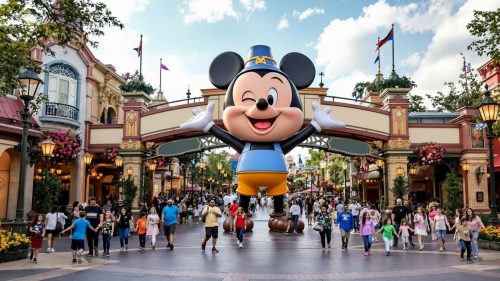
The Art, Engineering, and Imagination Behind Monumental Creations
Large custom statues are the physical embodiment of human storytelling. They rise in city centers, theme parks, museums, universities, corporate headquarters, and even backyards — capturing moments, visions, mascots, and identities in solid form. They’re not just art pieces; they’re emotional anchors, brand flags, tourism magnets, and cultural time capsules. When a life-sized or larger-than-life figure stands before us, it does more than tower above our heads, it inspires the awe in our chests. In a world where every brand and every place seeks uniqueness, large custom statues have become powerful symbols of character and permanence. But what exactly goes into creating one? How does a rough idea grow into a towering form people admire and photograph? Behind every statue is a clever mix of creativity, craftsmanship, and cutting-edge technology. So let’s dive in — from the meaning and purpose behind these statues to the materials and fabrication techniques that bring them into reality.
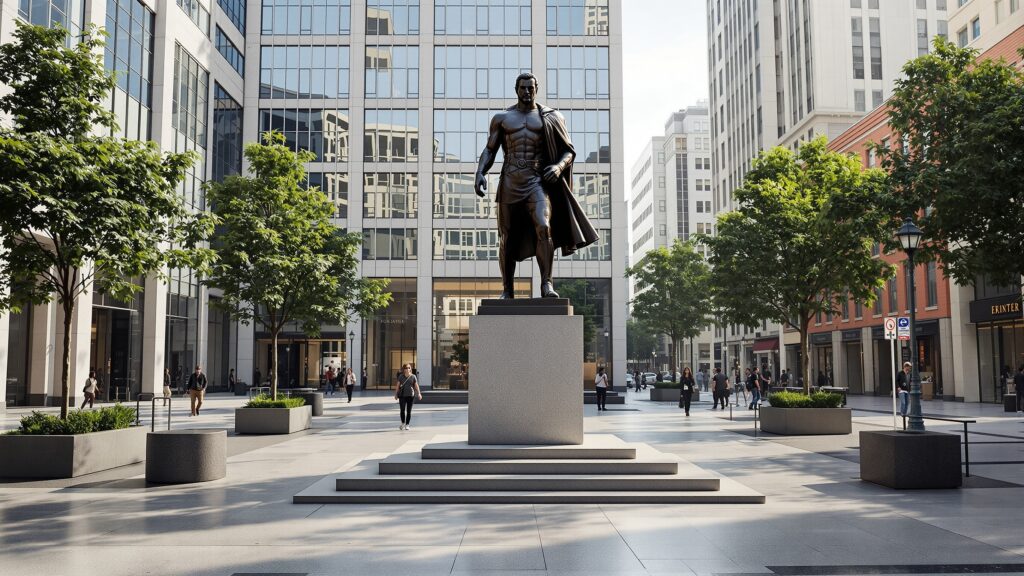
The Story and Purpose Behind Large Custom Statues
At their core, statues are storytellers. A historical statue tells we were shaped by heroes and decisive events. A mascot sculpture declares team pride. An oversized character in a theme park proclaims: this place is meant for joy. A statue of a beloved founder symbolizes legacy and gratitude.
Organizations, communities, and individuals commission large custom statues for many different reasons, including:
- To celebrate an iconic figure or anniversary
- To create a photo-worthy landmark and draw attention
- To reinforce brand identity through public art
- To honor heritage and culture
- To transform ordinary spaces into destinations
A custom statue can be commemorative, educational, hilarious, or even outrageous. The only constant is that these creations are made with intention. They are designed to be unforgettable — to transform space and trigger emotion. When people gather around a statue to take photos together, that sculpture becomes a shared memory. That is the power of monumental art.
From Sketch to Reality: The Creative Journey
Every statue starts as an idea — sometimes crystal clear, sometimes just a spark. A client may show up with a rough sketch on a napkin, a 3D scan of a person, or a vague vision: “We want something that feels like courage.” Designers and sculptors work closely with stakeholders to explore scale, pose, style, mood, and symbolism.
The creative process often follows a path like this:
- Concept Development
Mood boards, style experimentation, and early visualizations articulate the idea. - Digital Sculpting & 3D Modeling
Artists use tools like ZBrush, Blender, or CAD software to develop a highly detailed 3D model. - Approval & Engineering Review
The design must balance beauty with stability. Internal supports and realistic weight distribution are analyzed before fabrication begins. - Scale Modeling (Sometimes)
Smaller clay or printed maquettes allow stakeholders to review fine details before the statue grows big.
This early collaboration ensures that by the time fabrication begins, everyone sees exactly what is being created — no surprises, only excitement.
How Big Is “Large”? Understanding Scale and Presence
Large custom statues don’t always mean towering skyscraper-height figures. The term generally applies to:
- Statues 5–20 feet tall for most businesses, parks, and campuses
- Figures 20+ feet that become local icons or skyline features
But size is only part of the story. A sitting lion at 6 feet tall can feel just as dominant as a 10-foot-tall standing figure. A massive head and shoulders sculpture may feel larger than a full-body character. Proportions, placement, lighting, and surrounding architecture all influence presence. A great statue doesn’t just fill space — it defines it.
Art and Character: Styles of Large Custom Statues
Style determines personality. Two statues at the same size can feel worlds apart depending on artistic direction. Here are just a few common approaches:
Realistic and Monumental
Often used for historical figures, athletes, or lifelike animals. These statues reflect anatomical precision and emotional gravity.
Stylized and Whimsical
Theme parks, universities, and product brands often prefer bold shapes, exaggeration, and playful charm.
Abstract Sculptures
Corporate campuses and cultural institutions frequently choose symbolic forms that invite interpretation.
Textured and Weathered Art
Aged metals, rough stone finishes, and hammered bronze textures suggest history and weight.
There is no single correct style — only the one that best communicates your message.
The Materials That Make Statues Stand Strong
The best material depends on location, budget, durability goals, and artistic effect. Popular options include:
- Fiberglass Reinforced Plastic (FRP): Lightweight, strong, weather-resistant — great for mascots and characters. Ideal for transporting and installing on rooftops or vehicles.
- Bronze: The classic choice for timeless public art. Heavy, enduring, and associated with honor and tradition.
- Stainless Steel: Sleek, modern, and reflective. Suitable for corporate art and contemporary monuments.
- Concrete and GFRC: Extremely durable for outdoor public spaces, especially where vandal-resistance matters.
- Stone: Granite and marble evoke elegance and ancient craftsmanship — though cost and weight are significant.
- Hybrid Builds: Some statues combine a lightweight shell with a steel frame or custom fillers. This allows for monumental appearance without extreme costs or structural loads.
Choosing the right material is a conversation about aesthetics, engineering, lifetime expectation, and environment. A coastal statue, for example, will battle salty air and needs different protection than a sculpture inside a lobby.
Color, Detail, and Texture: The Art of the Finish
The surface finish determines how a statue is perceived — polished and pristine, rugged and powerful, or playfully color-saturated. Popular finishes include:
- Airbrushed realism for characters and animals
- Patinated bronze for historic and classic aesthetics
- Stone or wood simulation using casting and paint techniques
- Metallic automotive coatings for vibrant, glossy shine
- Hand-carved textures or 3D-printed surfaces for depth and personality
Lighting design is a crucial companion to finishing. Shadows and highlights amplify expression, turning the statue into a round-the-clock experience.
Where Engineering Meets Art: Structural Integrity
Creating a large custom statue isn’t just about surface beauty.
Inside lies the unseen architecture that ensures the sculpture lasts. Most large builds include a steel or aluminum armature — a skeletal structure engineered to withstand gravity and weight distribution, outdoor wind loads, curious hands leaning or climbing and transport and installation stress Engineers analyze load paths, welding strategies, anchor points, and base design. Fasteners, coatings, waterproofing, and maintenance planning ensure longevity — especially outdoors. This symbiotic relationship between sculptor and structural engineer is what allows imagination to become reality without collapsing over time.
How Large Custom Statues Are Fabricated
Craftsmanship + Innovation = Monumental Creations
Modern statue fabrication blends classic artistry with manufacturing technologies like CNC cutting and 3D printing. Here’s a typical journey from digital model to physical giant:
- 3D Model Slicing and Scaling: The approved digital sculpture is divided into buildable segments for machining or printing.
- CNC Milling or 3D Printing the Core: Foam blocks — often EPS or polyurethane — are carved by CNC robots or printed layer-by-layer, revealing the statue’s form.
- Manual Sculpting and Refinement: Artists smooth surfaces, refine facial features, add lifelike texture, or exaggerate stylization.
- Structural Engineering and Armature Installation: A steel frame is integrated inside the statue, supporting the shape while allowing safe lifting and transport.
- Hard-Coating or Casting Depending on the material: Fiberglass layers are hand-laid over the sculpted core, Bronze forms are cast using molds, Concrete or GFRC is applied into engineered molds
- Seamless Assembly and Surface Perfection: Segments are joined and blended invisibly — this phase is where magic meets patience.
- Painting, Patina, and Detailing: Specialists apply coatings designed for beauty and longevity: UV-resistant paints, Automotive-grade clear coats, Metal oxidizing finishes, and Textured overlays
- Installation: Hoists, cranes, forklifts, and engineered mounting plates bring the statue to its home.
Once in place, it becomes a landmark — a presence — a point where countless stories will be made.
Where You’ll Find These Statues Changing the World
Large custom statues appear almost everywhere you find community, travel, entertainment, and brand influence:
- Theme parks featuring towering characters and ride guardians
- Zoos and aquariums with lifelike animals for photo-ops
- City plazas and public parks with historic figures and cultural icons
- Universities showcasing mascots and founders
- Museums with educational or dramatic installations
- Sports arenas honoring legendary athletes
- Hotels and resorts creating statement moments in lobbies and gardens
- Corporate campuses reinforcing brand identity
- Private estates where personal passions become physical monuments
The more visually driven society becomes, the more impactful these works are as brand and community touchpoints.
Why People Connect With Big Art
The Emotional Pull of Presence. There’s a reason we visit statues, take photos with them, and feel a sense of attachment — scale creates connection. Standing beside a monumental sculpture taps into something primal: We feel the weight of history, we admire the courage of scale, we engage with a shared environment, we find delight in transformation of space and we see ourselves reflected in the story the statue tells And in a culture obsessed with visual content, large statues become instant landmarks on social media — owned by the public, photographed endlessly.
Statue → Engagement → Tourism → Economic value
Art has always been powerful — but now it’s also measurable.
Custom Statue Costs: What Influences the Price?
Budgets can vary dramatically depending on:
- Size and complexity
- Material choice
- Indoor vs. outdoor location
- Fine detail vs. stylistic simplicity
- Engineering requirements
- Installation environment
- Shipping logistics and distance
A small lightweight fiberglass mascot is in a completely different category than a massive bronze monument designed to withstand decades of weathering. There is no one-size-fits-all cost — only tailored solutions.
Caring for Giants: Maintenance and Longevity
Just like architecture, statues need maintenance planning to stay beautiful which include: cleaning schedules, protective finishes, UV-resistant coatings, structural inspections and touch-up paint where guests interact Outdoor sculptures face sun, wind, temperature shifts, and occasionally playful humans climbing where they shouldn’t. Good maintenance is simply part of honoring the investment and keeping the landmark extraordinary.
The Legacy of a Large Custom Statue
Long after the creators are gone, statues remain. They become meeting points. Photo backgrounds. Pride symbols. Memory anchors. Their stories continue to evolve over decades, even centuries — shaped by new generations discovering them for the first time.
A custom statue is not just a product. It is place-making. Identity. Permanence. When you commission a statue, you’re building a legacy that people will see, touch, and remember long into the future. Large custom statues exist at the intersection of art and engineering — but their real material is emotion. They’re giant reminders of what matters.
Check out WhiteClouds’ 3D Statues for more information.
Contact us today to learn more about our 3D services and how we can help you achieve your goals.