
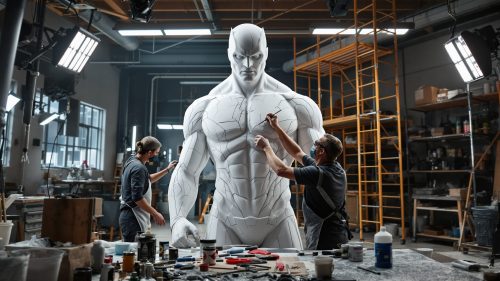
The Art and Science Behind Towering Character Creations
From towering superheroes at comic conventions to monumental mythological figures guarding a city square, large-scale character models ignite imagination and command attention. They blur the line between art and engineering, combining sculpture, storytelling, and spectacle into one dramatic form. Whether used in entertainment, advertising, museums, or public spaces, these oversized figures create awe-inspiring experiences that captivate audiences of all ages. In this complete guide, we’ll explore what large-scale character models are, why they matter, the history behind them, their design process, and the technical fabrication methods that bring them to life. We’ll also look at their role in marketing, culture, and art, and offer insights into how you might commission or build one yourself.
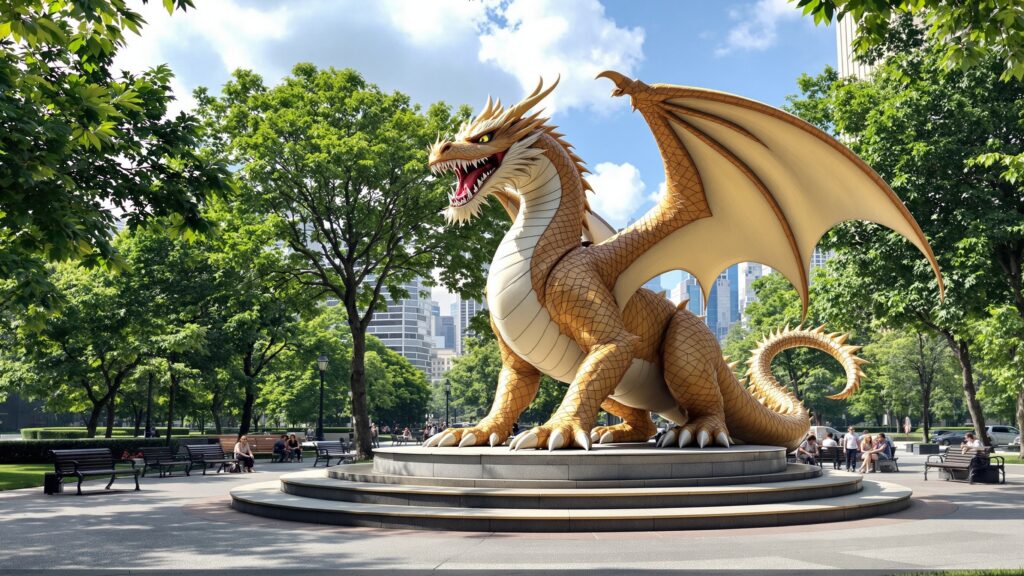
What Are Large-Scale Character Models?
Large-scale character models are three-dimensional representations of people, creatures, or fictional characters built on a monumental scale. Unlike smaller figurines or props, these sculptures often reach human height or taller, sometimes scaling up to dozens of feet. Their purpose goes beyond decoration—they function as immersive landmarks, powerful marketing tools, and unforgettable storytelling devices. These models can depict nearly anything: from cartoon mascots at theme parks to detailed fantasy warriors in a video game launch, or even beloved cultural icons like Godzilla or Paul Bunyan. Their sheer size ensures that they dominate their environment, demanding interaction, photographs, and wonder.
A Brief History of Oversized Figures
Large-scale character models are rooted in humanity’s long tradition of building monumental figures. Ancient Egyptians erected colossal statues of pharaohs. Greek artisans carved mythological gods into towering marble forms. In Asia, massive Buddhas have watched over landscapes for centuries.
Fast forward to the 20th century, and oversized advertising mascots became icons of roadside America: giant cowboys, lumberjacks, or soda bottles lined highways to lure travelers. In entertainment, Hollywood and theme parks popularized massive creatures, such as King Kong or dinosaurs, using foam, fiberglass, and animatronics.
Today, the tradition continues with cutting-edge digital design and fabrication methods. What once required stone and chisel now often starts with 3D modeling software, CNC routers, and advanced foams and composites.
Why Large-Scale Character Models Matter
The power of large-scale character models lies in their ability to stop people in their tracks. They make brands unforgettable, elevate public spaces, and inspire playful interaction.
For businesses, a large mascot or figure becomes an anchor attraction. People post photos on social media, creating viral marketing without extra cost. In museums and exhibitions, larger-than-life models bring stories to life in ways no text panel ever could. For cities, giant figures become cultural landmarks and tourism boosters.
On a personal level, they spark joy, nostalgia, and awe. A giant superhero can make adults feel like kids again, while children find themselves dwarfed by characters they’ve only seen on screens.
The Design Process: From Idea to Concept
Every monumental figure begins as an idea, but the journey from sketch to towering model involves multiple creative and technical steps. It usually begins with concept design, where artists sketch or digitally illustrate the character’s pose, scale, and expression. Designers must balance creativity with functionality: a character needs to look dynamic and appealing, but also be structurally sound. The next stage is digital modeling, often done with 3D software like ZBrush, Blender, or Maya. Here, every contour, costume detail, and facial expression is refined. This model serves as the digital blueprint for fabrication. Once approved, designers decide on scale and environment. A 12-foot-tall superhero for a mall atrium differs from a 40-foot mythological giant for an outdoor plaza. Scale dictates both artistic choices and engineering requirements.
Choosing Materials for Durability and Impact
Material selection is critical to both appearance and longevity. Different materials serve different purposes:
- EPS/XPS foam: Lightweight, easily carved, and often used as a core material. Foam allows quick shaping for large volumes.
- Fiberglass: Common for durable outdoor sculptures. It’s strong, weather-resistant, and capable of fine detailing.
- Resins and coatings: Applied to seal foam or fiberglass, adding toughness and a polished finish.
- Metal frameworks: Steel or aluminum skeletons provide the structural support needed to keep tall models upright.
- 3D-printed components: Increasingly used for smaller details, then integrated into the larger sculpture.
The right material blend depends on whether the figure is temporary (like for a trade show) or permanent (for a city plaza). Outdoor environments demand UV resistance, waterproofing, and sometimes fire-retardant coatings.
How Large-Scale Character Models Are Fabricated
Fabrication transforms digital dreams into physical reality. It’s a fascinating process where artistry meets engineering:
- Digital Scaling and Sectioning
The approved 3D model is scaled to its final size. Large models are often divided into smaller sections that can be carved, printed, or milled before being assembled like a puzzle. - CNC Cutting and Foam Carving
EPS or XPS foam blocks are milled by CNC routers to rough out shapes. Skilled artisans then refine details by hand, using hot-wire cutters, sanding tools, and sculpting knives. - Internal Framework Construction
A welded steel or aluminum armature is built to act as the skeleton. This ensures stability and weight distribution, especially for models with extended arms, wings, or other overhangs. - Hard Coating and Reinforcement
Foam pieces are coated with resin, polyurea, or fiberglass to create a hard, protective shell. Layers are applied meticulously to balance strength with surface smoothness. - Assembly and Seaming
The coated sections are joined over the framework. Seams are filled, sanded, and blended until the figure looks seamless. - Detailing and Painting
Artists apply sculptural details—textures like fur, fabric folds, or armor plating. Airbrushing, hand-painting, and weatherproof coatings give the final finish, often bringing the figure to lifelike realism. - Transport and Installation
Since these models are often too large to transport in one piece, they are built in modular sections. Cranes, forklifts, and rigging teams carefully reassemble them onsite, securing them to platforms or concrete bases.
This fabrication process is part science, part magic. Each stage requires collaboration between digital designers, engineers, sculptors, and painters to ensure the end result is both visually stunning and structurally safe.
Bringing Characters to Life: Interactivity and Technology
Modern large-scale models don’t just stand still—they often move, light up, or even interact. Animatronics can give a giant dragon blinking eyes, flaring nostrils, and flapping wings. LED lighting brings superheroes to glowing life at night. Augmented reality integrations allow visitors to scan a QR code and see the character come alive on their phone screens. Interactivity transforms a static figure into an evolving experience, encouraging repeat visits and deeper engagement.
Where You’ll Find Large-Scale Character Models
You’ve likely encountered monumental figures without realizing how strategically they were placed.
- Theme Parks: Iconic mascots, ride guardians, or life-size movie characters welcome guests and reinforce storytelling.
- Museums and Exhibitions: Dinosaur skeleton replicas, historical kings, or cultural legends in large-scale form help immerse visitors.
- Trade Shows and Conventions: Companies use towering characters to draw crowds and showcase new products.
- Public Landmarks: Cities commission massive characters as tourist magnets, such as mythological guardians or pop-culture icons.
- Film Sets: Epic battles and fantasy worlds are often populated with large-scale props and figures fabricated specifically for the screen.
Wherever they appear, these figures serve the same purpose: to inspire wonder and create memorable moments.
Large-Scale Models as Marketing Powerhouses
In the age of social media, large-scale figures have become marketing goldmines. A giant mascot in front of a storefront naturally becomes a photo hotspot. Tourists and fans share their selfies online, providing free advertising that reaches global audiences.
For brands, investing in a monumental figure is less about cost and more about return. The buzz generated by a 15-foot product mascot or an iconic pop-culture hero outside a shop often outweighs traditional ad spending. Companies increasingly see these sculptures as long-term assets, both as marketing tools and as brand landmarks.
Challenges in Building and Maintaining Them
Building big comes with big challenges. Structural integrity is paramount—poorly engineered figures risk collapsing under their own weight or weather conditions. Transport logistics can be complex, involving permits, cranes, and oversized trucks. Maintenance is also key. Outdoor figures face sun, wind, rain, and snow, all of which can fade paint or crack coatings. Regular inspections, touch-ups, and resealing are essential to preserve their visual impact. Cost is another consideration. While foam-based figures are relatively affordable, permanent fiberglass or metal-clad models represent significant investments. The return, however, often justifies the expense through increased foot traffic and publicity.
The Cultural Impact of Giant Figures
Beyond business and entertainment, these models hold cultural significance. They become modern totems, reflecting the values and stories of a community. A giant folkloric figure can embody local history, while a towering superhero captures contemporary mythmaking.
Artists also use oversized figures to challenge perceptions, create satire, or highlight social commentary. In public art, scale alone forces people to confront the message, making character models powerful storytelling vehicles. Ultimately, large-scale character models remind us that bigger isn’t just better—it’s unforgettable.
How to Commission or Create Your Own
If you’re considering a large-scale character model, the first step is clarity of purpose. Is it for branding, entertainment, education, or public art? Once the goal is clear, you’ll need to collaborate with experienced fabricators who specialize in monumental work. Provide as much visual reference and context as possible. Think about the environment, durability requirements, and any interactivity features you want. Professional shops will help with engineering, budgeting, and permitting. For smaller projects, makerspaces and fabrication studios can help scale up foam or 3D-printed models into larger displays. Technology has made the process more accessible than ever.
The Future of Large-Scale Character Models
As digital fabrication, robotics, and materials science advance, the possibilities for monumental characters continue to grow. Future figures may integrate AI, allowing them to respond to visitors in real time. New coatings and composites will make them lighter yet more durable. AR and VR will increasingly merge the physical and digital, creating hybrid experiences around these massive icons.
The world is hungry for spectacle and story—and large-scale character models deliver both in abundance. Expect to see even bolder, stranger, and more imaginative figures rise in cities, theme parks, and digital-physical hybrids in the years to come.
Conclusion
Large-scale character models are more than oversized sculptures—they are cultural touchstones, engineering marvels, and marketing beacons. From ancient colossi to modern fiberglass mascots, they have always captured the human imagination. The next time you stand before one, whether it’s a 30-foot superhero or a whimsical cartoon mascot, take a moment to appreciate the artistry, planning, and sheer effort behind its creation. These giants are built to inspire wonder—and in that, they succeed spectacularly.
Check out WhiteClouds’ 3D Statues for more information.
Contact us today to learn more about our 3D services and how we can help you achieve your goals.