

The Giant Troll Statue: From Folklore to Monumental Art
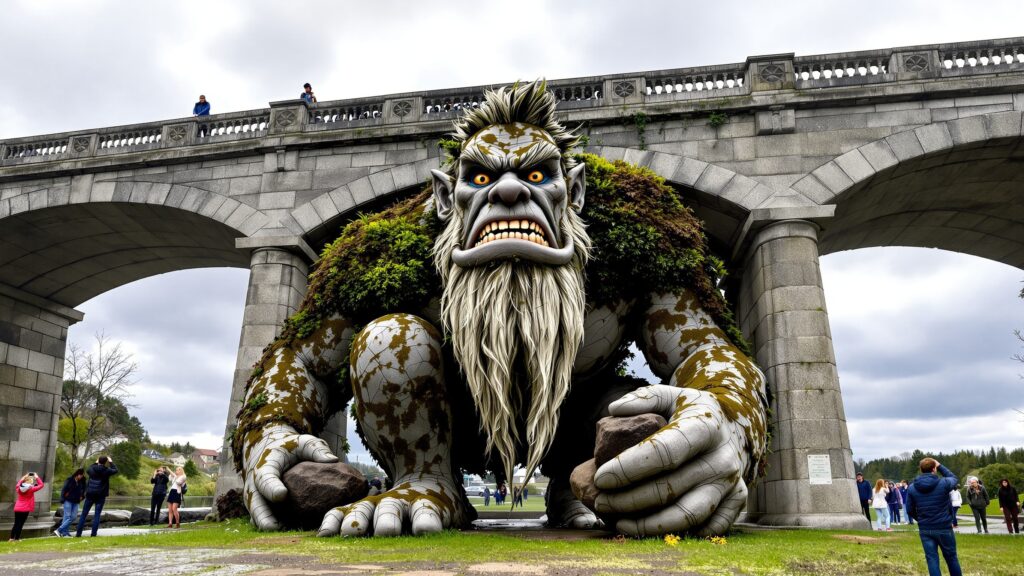
For centuries, trolls have haunted the edges of human imagination. They lurk in forests, mountains, and under bridges, their hulking figures appearing in myths, fairy tales, and modern fantasy. Today, these creatures are stepping out of the shadows and into the real world—not as threats, but as awe-inspiring works of public art. The giant troll statue has become a phenomenon, blending ancient folklore with contemporary creativity, and transforming landscapes with colossal beings of wood, stone, or steel. These statues are more than just fantasy brought to life. They’re cultural landmarks, playful guardians, and bold artistic statements that connect people to both imagination and environment. Whether built in forests, cities, or coastal parks, giant trolls loom not to frighten, but to inspire wonder.
Trolls in Myth and Culture
Before diving into the statues themselves, it’s worth exploring why trolls captivate us. Originating in Scandinavian folklore, trolls were often described as immense beings who lived in mountains and caves. They could be terrifying, dim-witted, or strangely comical—sometimes dangerous, sometimes misunderstood.
In Norse mythology, trolls embodied the untamed forces of nature. They were tied to rocks, forests, and wilderness, often clashing with humans who ventured too far from safe havens. Tales depicted them as both enemies and symbols of the unknown. Over time, trolls have evolved in popular culture. From the monstrous creatures of The Lord of the Rings to the friendly giants in modern children’s films, their image shifts between menace and charm. This flexibility makes them perfect subjects for art: a troll can be terrifyingly majestic or whimsically approachable, depending on the artist’s intent.
The Rise of the Giant Troll Statue
The idea of building giant troll statues grew naturally from both folklore and the modern love of fantasy art. Scandinavia, with its deep-rooted troll mythology, has led the way. Towns and artists began constructing trolls to celebrate heritage and attract visitors.
One of the most famous contributors is Danish artist Thomas Dambo, known for his enormous troll sculptures made of recycled wood. His works, scattered across forests in Denmark, the United States, Belgium, and beyond, encourage exploration and environmental awareness. These trolls, sometimes 15–30 feet tall, are whimsical guardians who seem to emerge organically from the landscape. Other communities have embraced giant trolls in more traditional sculptural forms—stone, bronze, or concrete figures placed in parks or plazas. They act as mascots, cultural touchstones, and irresistible photo opportunities.
Famous Giant Troll Statues Around the World
The Fremont Troll – Seattle, USA
Perhaps the most famous giant troll in the world sits under the Aurora Bridge in Seattle. Known as the Fremont Troll, this colossal concrete figure clutches a real Volkswagen Beetle as if it had just snatched it from the road above. Built in 1990, it has become a cultural landmark, drawing thousands of visitors and cementing Seattle’s reputation for quirky public art.
Thomas Dambo’s Recycled Trolls – Global
Thomas Dambo’s wooden trolls are scattered across continents, often hidden in forests, fields, or urban parks. Each is unique, with names, personalities, and stories. These trolls emphasize sustainability, as they are built from reclaimed wood and materials. They encourage viewers to explore and interact, blurring the line between myth and environmental awareness.
Scandinavian Troll Parks
In Norway, Sweden, and Denmark, tourist attractions and parks feature massive troll statues, often as part of fairy-tale trails or themed experiences. These statues embrace both heritage and whimsy, providing family-friendly encounters with creatures once feared in folklore.
European Festivals and Installations
Giant trolls also appear as seasonal installations during festivals. Sculptors create temporary trolls from snow, ice, or even straw, adding local twists to the mythology and turning the statues into ephemeral marvels.
Why Do Giant Troll Statues Resonate?
There are many reasons giant troll statues capture hearts and imaginations.
- Folklore Connection: They embody centuries of storytelling, bridging old myths with modern culture.
- Spectacle and Scale: A troll is supposed to be big. Enlarging it into a statue feels natural, turning fantasy into physical reality.
- Playfulness: While trolls were once scary, modern statues often lean toward charm. Their oversized features, curious poses, and whimsical settings make them approachable for all ages.
- Tourism Value: Troll statues are irresistible landmarks. Travelers seek them out for photos, adventures, and stories to share. Communities benefit from the attention, creating cultural and economic value.
- Environmental Storytelling: Especially in Dambo’s works, trolls tie humans back to nature. They remind us of the wilderness, encouraging us to respect and protect the earth.
Artistic Interpretations: Scary, Whimsical, or Abstract
One of the most fascinating aspects of troll statues is the range of artistic styles. Some trolls are built to intimidate, with gnashing teeth, massive claws, and menacing glares. These evoke the darker side of mythology, reminding us of trolls as dangerous forces of nature. Others are friendly giants. They may smile, lounge in grassy meadows, or even hold out their hands to welcome children. These whimsical versions often double as playgrounds or interactive spaces, blurring the line between art and environment. Abstract trolls are less common but equally striking. Some artists reduce trolls to massive stone silhouettes or angular steel forms, emphasizing their mythical presence rather than realistic detail. Each style reflects the artist’s vision and the community’s relationship with troll folklore—whether they want to celebrate its mystery, humor, or grandeur.
How a Giant Troll Statue Might Be Fabricated
Fabricating a giant troll statue requires imagination, artistry, and engineering. The process varies depending on materials, but the steps share common themes.
Concept and Design
The journey begins with a vision. Artists sketch trolls in various poses, deciding whether the statue should be frightening, playful, or abstract. Digital 3D models help refine proportions, ensuring the figure looks balanced at monumental scale. Some trolls are designed to interact with their surroundings—peeking from behind trees, sitting on hillsides, or looming from bridges. A small-scale model, or maquette, is often created to guide the full build.
Structural Framework
Large statues need skeletons. Steel frameworks form the internal bones, supporting the troll’s bulk and stabilizing extended features like arms, claws, or noses. Engineers calculate load-bearing requirements, anchoring points, and weather resistance, especially if the troll is outdoors in windy or snowy environments.
Exterior Shell
The outer body can be made from a variety of materials:
- Concrete: Durable and weather-resistant, ideal for permanent installations like the Fremont Troll.
- Fiberglass: Lightweight, moldable, and detailed, perfect for whimsical trolls or transportable installations.
- Wood: Often reclaimed, giving statues an organic, rustic look. Dambo’s trolls exemplify this style, emphasizing sustainability.
- Metal: Steel or bronze trolls offer durability and an imposing aesthetic, suitable for urban settings.
Panels or layers are formed over the framework, creating the troll’s body.
Surface Detailing
This is where artistry comes alive. Sculptors shape faces, hands, fur, and wrinkles. Trolls are often exaggerated—big noses, shaggy hair, toothy grins. Painters then add color, texture, and weatherproof coatings. Some statues incorporate natural elements like moss, grass, or stones, blending trolls into their environment.
Assembly and Installation
Giant trolls are usually built in sections and transported to the site. Cranes lift pieces into place, which are bolted or welded together. A reinforced base anchors the statue, ensuring safety and permanence. Landscaping often completes the installation. Plants, rocks, or themed settings integrate the troll, making it feel as though it belongs to the land itself.
Troll Statues as Community Guardians
In many communities, giant troll statues serve as more than art. They become guardians and mascots. Children grow up visiting them, families return for seasonal photos, and tourists mark them as must-see attractions. Some towns use trolls as branding. A troll statue at a highway entrance signals identity and heritage, declaring: This is troll country. For festivals, trolls embody folklore brought to life, uniting community pride with tourism appeal.
Tourism, Storytelling, and Economy
The economic impact of troll statues is undeniable. Travelers plan trips specifically to see them, particularly Dambo’s hidden forest trolls, which create scavenger-hunt-like experiences. Cities benefit from foot traffic, merchandise sales, and media attention. Storytelling enhances the draw. Trolls with names, backstories, and personalities encourage engagement. Visitors aren’t just seeing a statue—they’re meeting a character. This transforms public art into living myth.
Maintenance and Preservation
Outdoor troll statues face constant exposure to the elements. Concrete trolls must be inspected for cracks, while wooden trolls need sealing or replacement of weathered pieces. Fiberglass requires repainting to combat UV fading. Communities often rally around upkeep, treating trolls as beloved landmarks. Maintenance becomes part of the folklore, with locals “caring for their troll” as if it were alive.
The Future of Giant Troll Statues
The giant troll statue continues to evolve. Future versions may integrate technology—interactive lighting, sound effects, or augmented reality apps that animate the troll through smartphones. Imagine standing by a statue as your phone shows it blink, move, or tell a story. Sustainability will also shape troll building. Recycled materials, eco-friendly construction, and natural integration ensure trolls remain symbols of harmony with nature. As public art increasingly values interactivity and environmental awareness, trolls are poised to remain both mythical and modern.
Conclusion: When Giants Walk Among Us
The giant troll statue is where imagination, folklore, and artistry converge. These colossal figures transform myths into monuments, turning once-feared creatures into beloved guardians of place and culture. From the concrete Fremont Troll clutching a car under a bridge to whimsical wooden giants hiding in forests, they show us that trolls belong not only to fairy tales, but to our landscapes and communities. Standing before a giant troll statue, you feel a mix of awe, amusement, and curiosity. You remember stories of trolls in folklore, but you also sense the creativity and pride of those who built them. They remind us that public art can be playful yet profound, rooted in both tradition and innovation. In the end, giant troll statues are more than oversized figures. They are bridges between myth and reality, guardians of imagination, and proof that the creatures of our stories can still walk among us—towering, smiling, and unforgettable.
Check out WhiteClouds’ 3D Statues for more information.
Contact us today to learn more about our 3D services and how we can help you achieve your goals.