Giant Wardrobe
Giant Wardrobe
We Build Custom 3D Props
The Fascination of the Giant Wardrobe: More Than Just Storage
Wardrobes are among the most essential pieces of furniture in our homes, blending practicality with style. Yet, when we think of wardrobes, most of us picture standard-sized pieces that tuck neatly against a wall. But what if we looked beyond the ordinary? Enter the giant wardrobe—a piece of furniture that makes a bold statement, transforms a room, and tells a story far greater than simply “a place to store clothes.” From historical roots in European castles to modern interior design showpieces, giant wardrobes are both functional marvels and artistic treasures. They are furniture pieces that command attention, offering space, grandeur, and sometimes even mystery. In this article, we’ll journey through the history, design, cultural symbolism, and modern appeal of giant wardrobes, while also exploring their place in today’s lifestyle trends.

A Historical Look: The Birth of the Wardrobe
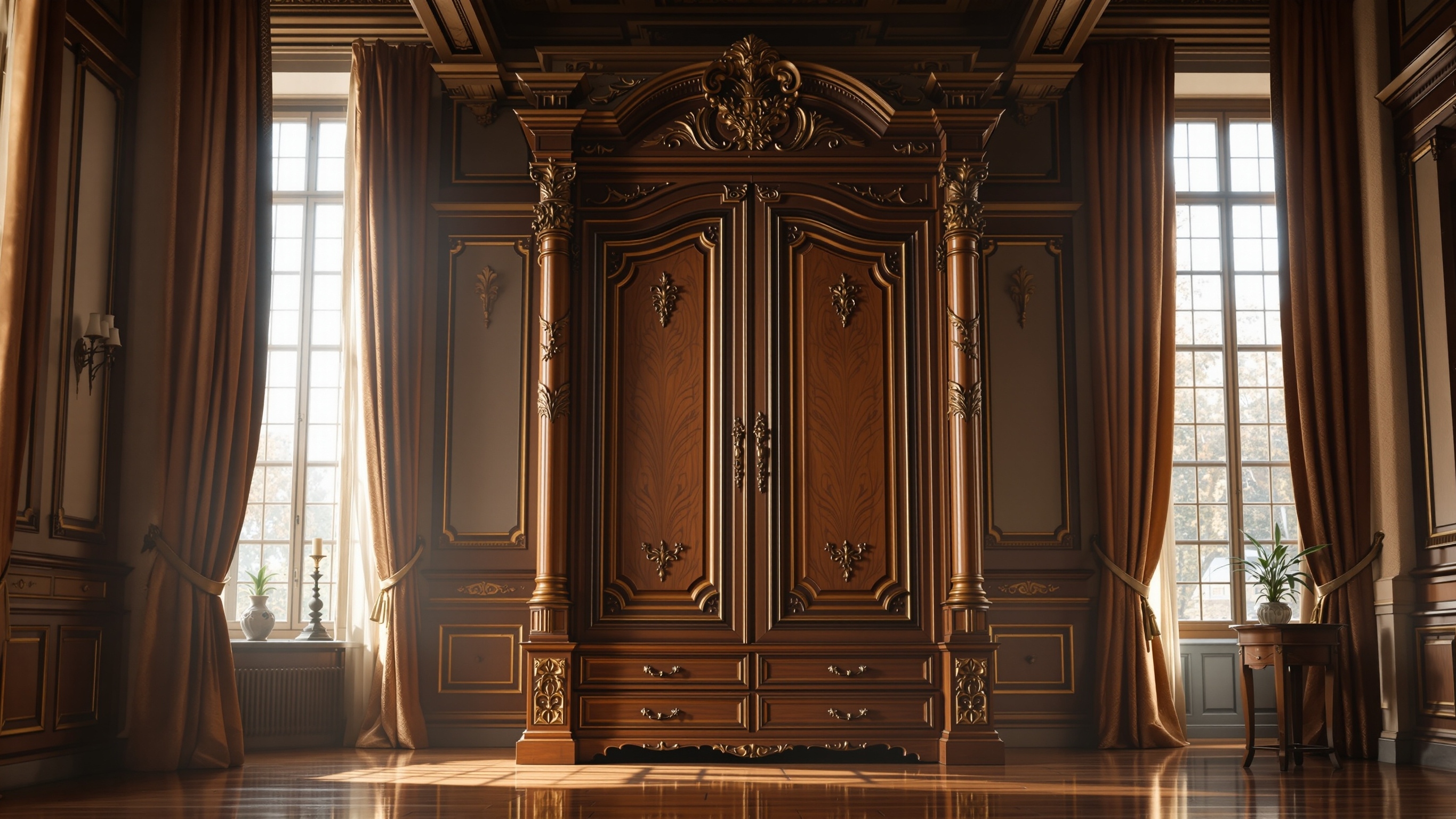
The wardrobe as we know it evolved from simple storage chests used in medieval times. Nobility and wealthy families required larger furniture to store their fine garments, linens, and valuables. Over centuries, wardrobes grew from humble wooden trunks into towering pieces of craftsmanship, often elaborately carved and richly detailed. By the 17th century, wardrobes were more than functional storage—they were status symbols. Owning a giant wardrobe indicated wealth, taste, and access to skilled artisans. French, English, and Italian craftsmen in particular became known for their exquisite designs, creating pieces that could be considered works of art. The size itself mattered: in an age before mass production, larger wardrobes were custom-made, often occupying entire walls in manors and palaces. They symbolized abundance, prosperity, and the growing complexity of fashion in society.
Giant Wardrobes in Literature and Myth
Perhaps one of the most famous wardrobes in literature is C.S. Lewis’s enchanted wardrobe from The Lion, the Witch, and the Wardrobe. This fictional giant wardrobe served not only as storage but as a gateway to another world. For many, the image of a wardrobe became intertwined with ideas of magic, mystery, and hidden possibilities. In folklore and storytelling, wardrobes and armoires often appear as portals, hiding places, or secret keepers of treasures. Their imposing size makes them ideal for stories of mystery and wonder. A giant wardrobe isn’t just furniture—it’s a symbol of hidden depths, of worlds waiting to be discovered behind heavy wooden doors.
The Design Appeal of Giant Wardrobes
What makes a wardrobe “giant”? While there’s no strict definition, these are wardrobes that stretch well beyond standard dimensions. They may span several feet in width, rise to towering heights, or extend across entire walls.
Design-wise, giant wardrobes are celebrated for:
- Scale and impact: They dominate a room, instantly becoming its centerpiece.
- Craftsmanship: Larger pieces offer more surface area for detailed carving, inlay, or ornate finishes.
- Functionality: The sheer storage capacity is unmatched, with space for clothing, shoes, accessories, and sometimes even hidden compartments.
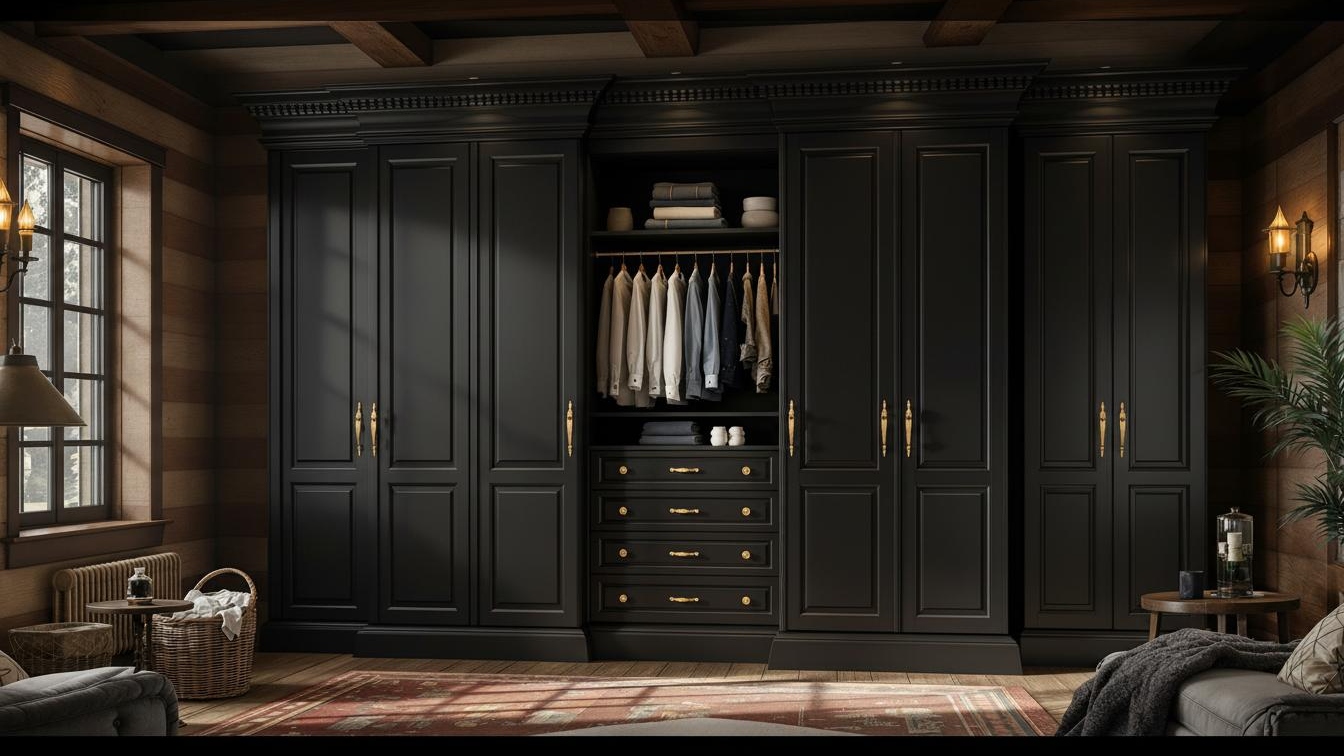
In modern interiors, giant wardrobes are increasingly built as fitted or custom designs. Some feature sliding glass doors, LED lighting, and modular shelving, combining old-world grandeur with contemporary convenience.
Materials and Craftsmanship
The construction of a giant wardrobe demands not only creativity but also skill. Traditionally, these wardrobes were made from solid woods like oak, walnut, mahogany, and cherry. The richness of these woods added to the visual gravitas and durability of the piece.
Artisans often added intricate details:
- Carved panels depicting floral motifs, mythological scenes, or heraldic symbols.
- Marquetry and inlays using contrasting woods, ivory, or even precious metals.
- Hand-forged hardware like iron hinges and brass handles, both decorative and functional.
Today, while mass production makes wardrobes more accessible, the giant wardrobe continues to be a favorite of those seeking timeless luxury. Even contemporary wardrobes crafted from engineered wood, laminates, or metals borrow from this tradition of grandeur.
Giant Wardrobes in Different Cultures
Wardrobes as oversized storage solutions appear in many cultural contexts. In France, the armoire developed into one of the most celebrated forms of furniture design, especially during the reign of Louis XIV, where scale and opulence were paramount. Italian Renaissance homes often featured monumental wardrobes decorated with religious iconography or classical motifs. In Asia, Chinese and Japanese furniture also showcased tall, large-scale storage cabinets. Lacquered finishes, painted details, and symbolic motifs turned these wardrobes into objects of both beauty and spiritual significance. Across cultures, the giant wardrobe has consistently stood as a marker of abundance, elegance, and artistry.
The Modern-Day Giant Wardrobe
While fashion and interior needs have changed, the fascination with giant wardrobes persists. In modern homes, these wardrobes often take the form of walk-in closets disguised behind doors, or fitted wardrobes stretching from floor to ceiling.
Designers today frequently use giant wardrobes to maximize storage in urban spaces. They often include:
- Integrated lighting for visibility and mood.
- Custom compartments for shoes, jewelry, and accessories.
- Sliding doors with mirrors or minimalist finishes for a sleek modern aesthetic.
- Sustainable materials to meet eco-conscious demands.
What remains constant is their ability to transform a room. A giant wardrobe not only stores possessions but also elevates the aesthetic of a space, creating a feeling of elegance, comfort, and order.
Why People Love Giant Wardrobes
The enduring appeal of giant wardrobes lies in their blend of practicality and grandeur. They represent the best of both worlds: the necessity of storage and the luxury of scale. Homeowners love them because they provide immense storage capacity, reduce clutter by consolidating multiple smaller storage pieces, act as statement furniture, instantly defining the room and reflect personal taste and, often, sophistication. From a design perspective, a giant wardrobe often becomes the anchor of a bedroom, tying together themes of style and functionality.
Architectural Integration
Unlike freestanding wardrobes of centuries past, many modern giant wardrobes are integrated into architectural design. Entire walls can be transformed into wardrobe systems, blending seamlessly with the rest of the interior. Designers often employ floor-to-ceiling wardrobes to create a sense of spaciousness, while mirrored doors visually enlarge rooms. In luxury homes, hidden doors within wardrobes may even lead to private dressing rooms or ensuite bathrooms, echoing the idea of wardrobes as portals to other worlds—only this time, rooted in modern luxury.
Famous Examples of Giant Wardrobes
Beyond literature and private homes, there are real-life examples of giant wardrobes that inspire awe. Museums often showcase historical wardrobes that stand 10 to 15 feet tall, weighing hundreds of pounds, and elaborately carved with historical or religious scenes. One notable example is the Nuremberg wardrobe housed in German museums, celebrated for its massive scale and Gothic carvings. In France, the Versailles armoires stand as testaments to the grandeur of French craftsmanship, blending artistry with monumental size. These wardrobes are not only functional objects but cultural treasures, preserved as examples of human ingenuity, artistry, and ambition.
Practical Considerations for Owning a Giant Wardrobe
While romantic and luxurious, giant wardrobes also come with practical challenges:
- Space requirements: They demand significant floor and wall area.
- Weight: Solid wood wardrobes can be incredibly heavy, often requiring reinforced flooring.
- Transport and installation: Moving a giant wardrobe is not for the faint-hearted. In the past, many were built directly into homes or assembled on-site.
- Maintenance: Larger surfaces mean more upkeep, from dusting to ensuring wood remains in good condition.
For modern homeowners, custom-built wardrobes often solve these challenges by being modular, making transportation and installation easier.
Sustainability and the Giant Wardrobe
As sustainability takes center stage in design, wardrobes are being reimagined. Eco-conscious consumers seek wardrobes built from reclaimed wood, bamboo, or other sustainable materials. Giant wardrobes in this sense symbolize lasting value—investments meant to endure for generations, rather than disposable furniture designed for short-term use. This return to longevity echoes the historical purpose of giant wardrobes: to serve as heirlooms, carrying stories and functionality across centuries.
The Giant Wardrobe as a Statement of Identity
Furniture reflects personal identity, and wardrobes in particular speak to our relationship with clothing, organization, and lifestyle. A giant wardrobe can represent more than wealth—it can reflect a person’s love for fashion, their appreciation for craftsmanship, or their desire for order and beauty in their living space. For many, investing in a giant wardrobe isn’t about excess—it’s about creating a sanctuary of personal style.
Looking Ahead: The Future of Wardrobe Design
Technology is reshaping even this ancient piece of furniture. Future wardrobes may incorporate smart features like built-in sensors to track what clothes are inside, automated lighting and climate control to protect fabrics, and integration with digital wardrobes to help plan outfits. In this sense, the giant wardrobe of tomorrow could be both a marvel of engineering and a personal assistant, bridging tradition with innovation.
Conclusion: The Timeless Allure of the Giant Wardrobe
The giant wardrobe is more than an oversized storage unit. It is a piece of history, a cultural artifact, a symbol of wealth and imagination, and a modern solution to space and style. From medieval castles to contemporary apartments, wardrobes have always adapted to human needs while inspiring awe through their presence and design. Whether serving as a functional centerpiece of a bedroom, a hidden passage in a fantasy novel, or a sustainable heirloom for generations, the giant wardrobe continues to captivate. It reminds us that furniture can be more than wood and nails—it can be a gateway, a work of art, and a reflection of who we are. The fascination endures, and perhaps always will, because behind every giant wardrobe door lies not just clothing, but the story of human creativity, ambition, and the timeless desire to blend utility with wonder.