
A New Frontier in Retail Storytelling
The modern retail landscape is shifting faster than ever before. As online shopping continues to dominate convenience, brick-and-mortar stores are reinventing themselves as immersive brand environments. No longer just spaces for product display, physical stores are now arenas of storytelling—places where brand identity, customer experience, and artistry converge. Among the most compelling developments in this transformation is the rise of trail mapping in retail design. What began as a niche design element rooted in outdoor culture has evolved into a powerful storytelling tool used by leading brands to connect with customers on a deeper level. From interactive topographic walls to illuminated 3D trail maps, companies like Arc’teryx are redefining how geography, design, and identity intersect inside the retail environment. The result is a new kind of store—one that doesn’t just sell gear, but celebrates the landscapes and journeys that inspire it.
Mapping Emotion: The Power of Place
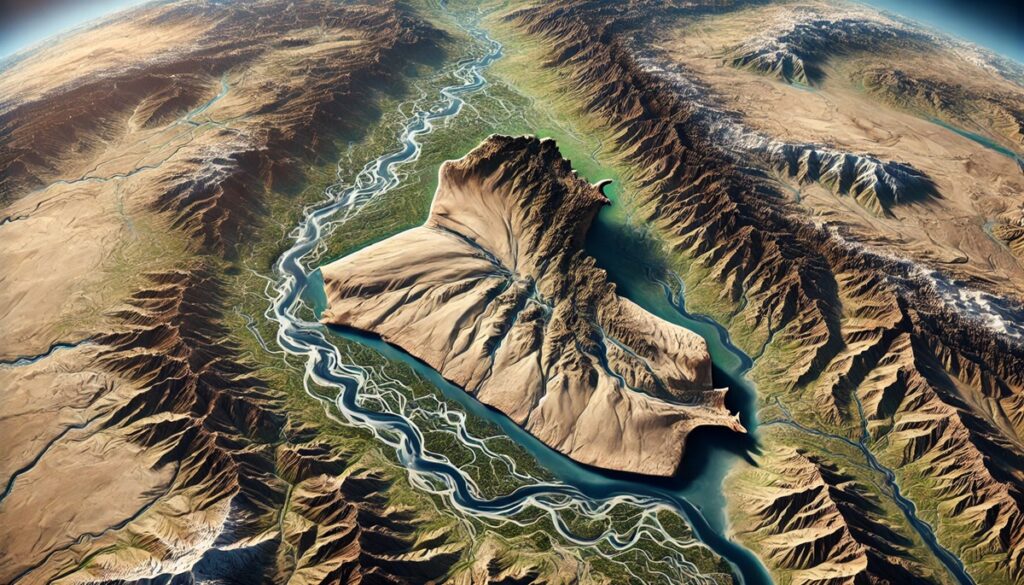
At its heart, trail mapping in retail design is about evoking emotion. Maps have always carried an almost magical pull—symbols of exploration, orientation, and adventure. They remind us of places we’ve been and places we long to see. When those maps are brought to life as physical installations, they do more than decorate a space; they tell a story that customers can see, touch, and feel.
Topographic and trail maps resonate because they connect people to the real-world environments behind the brand. For outdoor companies, that connection is everything. When a customer walks into a store and sees a 3D rendering of the local mountain range, it instantly grounds the brand’s story in something tangible. It transforms an abstract idea—adventure—into something immediate and familiar.
This emotional grounding is powerful. It fosters loyalty, creates lasting memories, and turns shopping into an experience rather than an errand. For Arc’teryx and other outdoor brands, maps are no longer just navigation tools—they are identity markers.
Arc’teryx: Where Geography Becomes Art
Few brands have embraced trail mapping in retail design as boldly as Arc’teryx. The Vancouver-based outdoor apparel company, long known for its technical precision and deep connection to nature, has made topography a centerpiece of its store design philosophy.
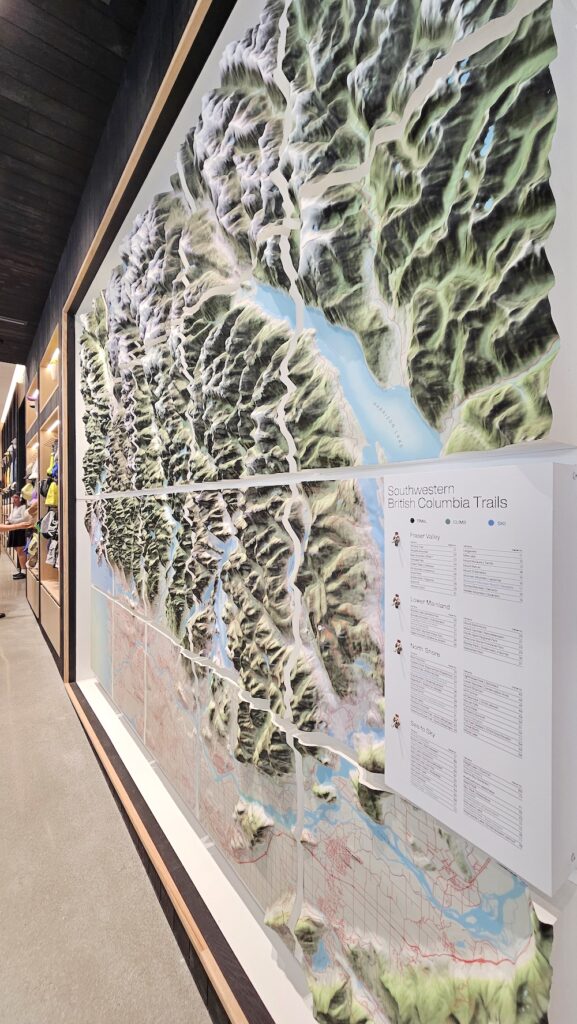
A shining example can be found in its flagship location in downtown Vancouver. Inside, a massive illuminated 3D topographic map of Southwestern British Columbia spans over 11 feet wide and 9 feet tall. The installation features layered contours that bring the region’s rugged terrain to life, while embedded LED markers highlight real trailheads. Visitors can interact with the map using a control panel that activates specific routes through light—creating a dynamic, tactile connection between the brand, the place, and the people who explore it.
This design isn’t simply aesthetic; it’s narrative. It pays homage to the landscapes that shaped Arc’teryx’s origins and continues to inspire its products. The installation celebrates mountain athletes and adventurers while offering customers a moment of recognition and belonging. It’s not just a wall—it’s a living story carved in aluminum and light. Arc’teryx’s approach is setting a standard that many brands are now studying closely: design not as decoration, but as experience.
The Merging of Art, Science, and Story
Designing a trail map installation that fits seamlessly into a retail environment requires a rare combination of artistry and engineering. These are not simple prints or flat graphics—they are sculptural experiences.
Each installation begins with accurate cartographic data, often derived from GIS models or elevation scans. From there, designers use digital tools to translate terrain into layered 3D contours. The result is a structure that captures both the realism of geography and the aesthetic of fine art. Materials like powder-coated aluminum, acrylic, or layered wood provide texture and durability, while lighting systems—such as edge illumination or pinpoint LEDs—add dynamism and depth.
But it’s the storytelling that makes it come alive. Some brands choose to represent local landscapes near their stores, forging a direct connection between location and identity. Others highlight iconic regions tied to their heritage. In every case, the installation becomes more than décor—it becomes a narrative artifact, representing the intersection of innovation, exploration, and brand purpose. This blending of art, science, and story is precisely why trail mapping has become such a natural fit for outdoor and adventure-focused brands. It embodies the same principles that define their products: technical precision, creativity, and reverence for nature.
The Ripple Effect Across the Industry
While Arc’teryx may be leading the charge, other forward-thinking brands are following suit—and not just in the outdoor gear sector. The influence of topographic and trail mapping is spreading into adjacent industries: travel, hospitality, and even technology.
Outdoor retailers such as Patagonia and The North Face have begun exploring region-specific map installations, highlighting the ecosystems and landscapes that align with their sustainability messages. In hospitality, boutique hotels and resorts are incorporating 3D maps of nearby trails, coastlines, or ski routes to ground their guests in the local geography. Corporate headquarters in tech and energy sectors are commissioning giant topo walls that represent the landscapes they serve or the terrain of their innovation journeys.
The trend is clear: people crave physical, spatial connection in an increasingly digital world. Maps—especially those rendered in three dimensions—offer that bridge. They remind us of the real, textured world we inhabit, even when surrounded by glass and steel. Trail mapping installations fulfill a primal need to understand place, while simultaneously satisfying modern demands for aesthetic innovation and experiential design.
Transforming Retail Into an Expedition
Incorporating trail mapping into retail spaces changes how customers move through the environment. It invites exploration. Shoppers don’t simply browse; they navigate, trace paths, and engage. This sense of discovery mirrors the brand ethos of adventure, creating a subtle psychological alignment between customer and company. A well-placed map installation can redefine traffic flow in a store. Positioned behind a checkout counter or integrated into a product display, it draws attention, encourages conversation, and makes the space feel purposeful. Some stores use trail maps to mark where materials were sourced or where specific products were tested—turning geography into proof of authenticity. The tactile nature of these installations also creates memorable touchpoints. Customers often run their hands over the contours, follow illuminated routes, or point out familiar landmarks. Each interaction is a moment of connection—between human and landscape, and between customer and brand. This is why so many companies are investing in custom topographic features. They are not just visual statements; they are immersive experiences that reshape how people perceive and remember a brand.
The Future of Trail Mapping in Design
As technology continues to evolve, so too will the possibilities for integrating trail mapping into retail and architectural design. The next generation of installations may merge physical craftsmanship with digital augmentation.
Imagine a topographic wall that uses projection mapping to animate weather patterns, shifting light to mimic sunrise over mountain ridges. Or a trail map that syncs with mobile devices, allowing customers to learn about real trails, conditions, and stories as they explore the installation. Interactive touchscreens could reveal photos, athlete stories, or even product testing locations embedded within the terrain.
Sustainability will play a major role as well. Many brands are already incorporating recycled materials or responsibly sourced components into their map installations, aligning environmental values with design execution. Ultimately, the trend points toward more integration, not less. As brands compete to create meaningful, memorable spaces, maps will remain a perfect medium—unifying technology, design, geography, and human emotion in one cohesive experience.
Where Story and Landscape Converge
Trail mapping in retail design represents more than a creative trend; it’s a return to storytelling through place. By merging geography with design, brands like Arc’teryx are creating experiences that resonate far beyond the walls of their stores. These installations don’t just reflect where we are—they reflect who we are and what drives us to explore. Whether it’s a glowing 3D wall in Vancouver, a carved countertop map in a boutique shop, or a monumental topo installation in a corporate lobby, the purpose remains the same: to connect people to landscapes, stories, and emotions that inspire movement. As trail mapping continues to shape the future of retail, one thing is certain—the brands leading the way understand that the most powerful journeys begin not on a mountain, but in the imagination. And sometimes, all it takes to spark that imagination is a wall that reminds us the world is vast, beautiful, and waiting to be explored.
Contact us today to learn more about our 3D services and how we can help you achieve your goals.