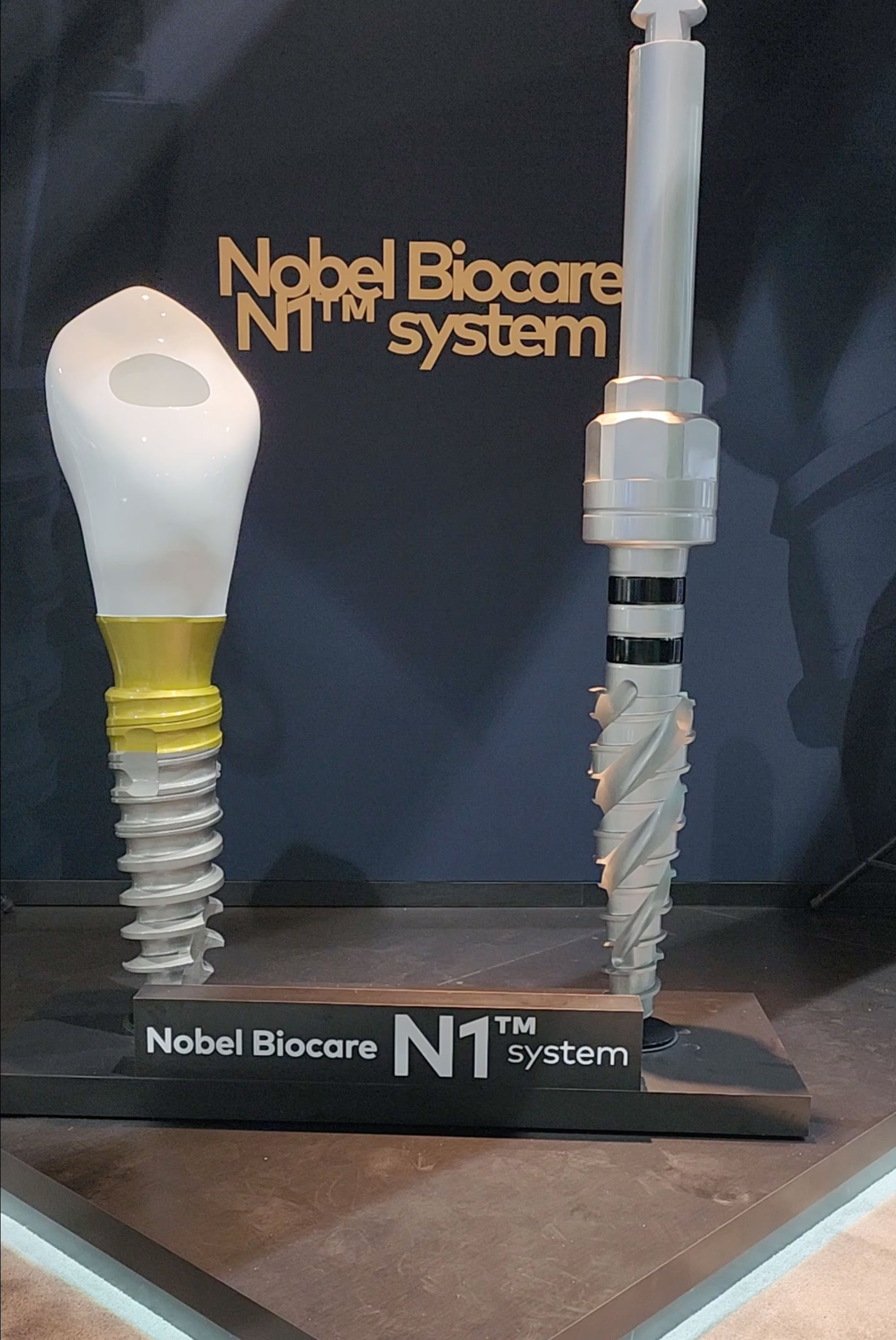
Displays for Medical and Healthcare Events

Displays for Medical and Healthcare Events

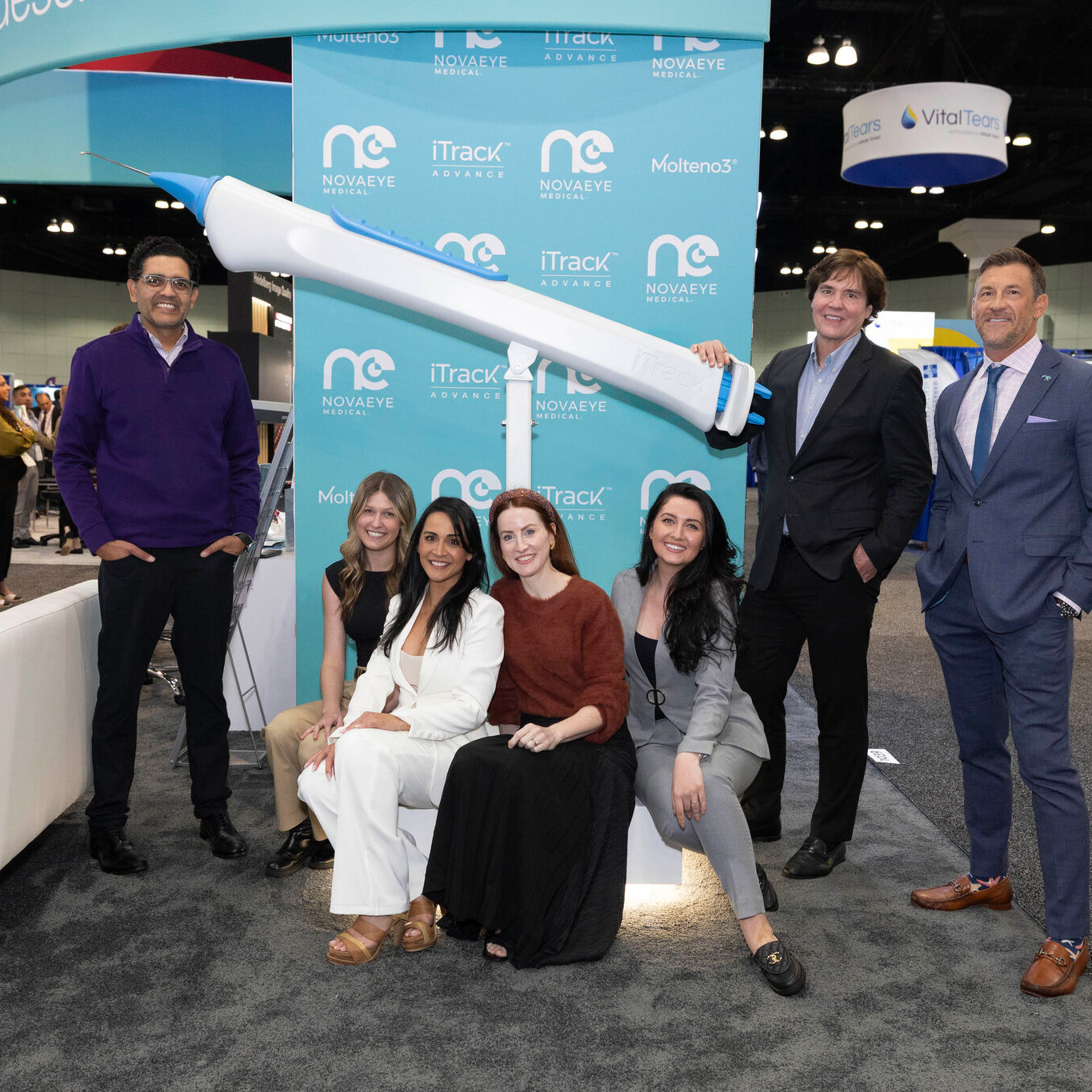
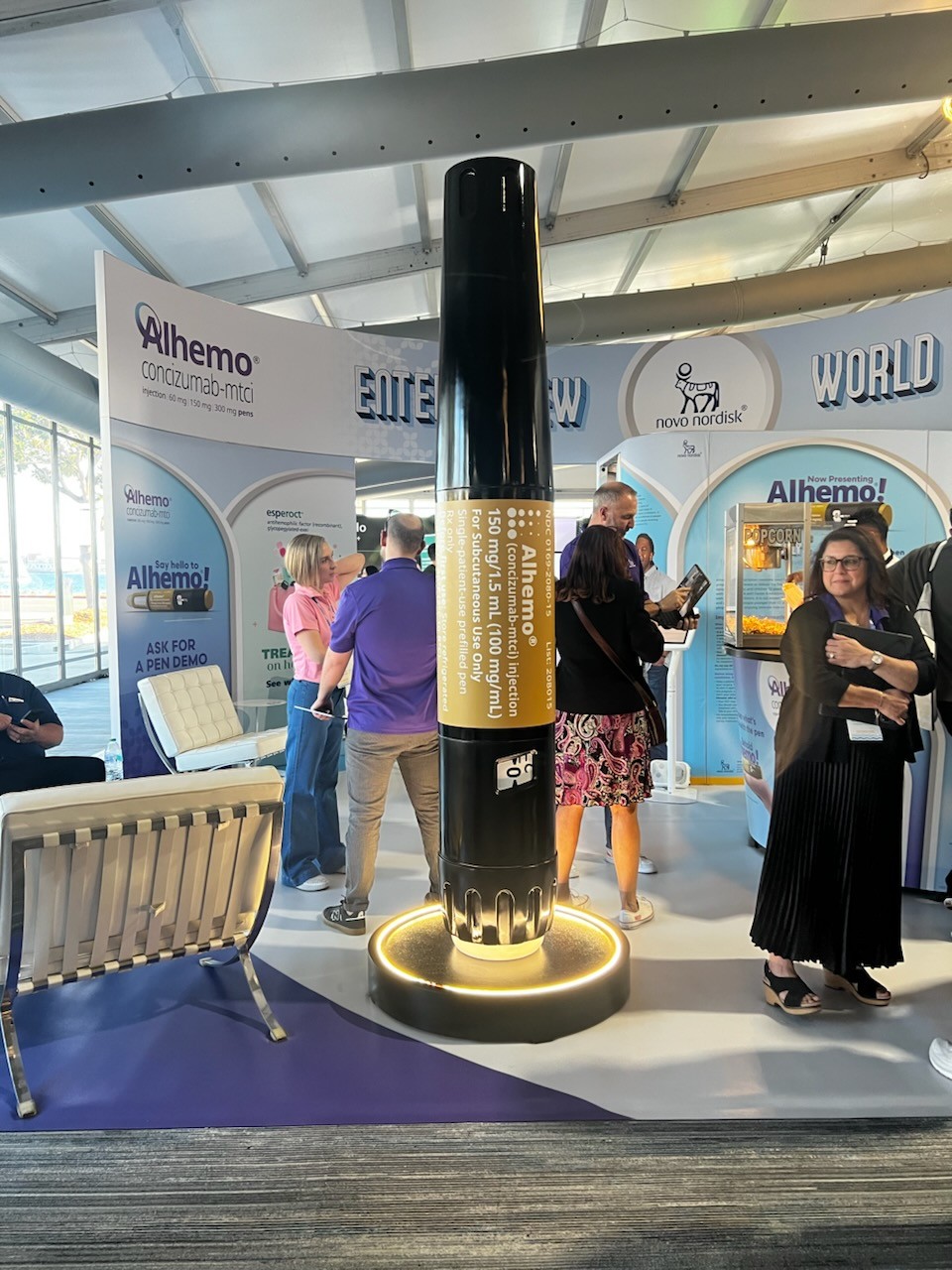
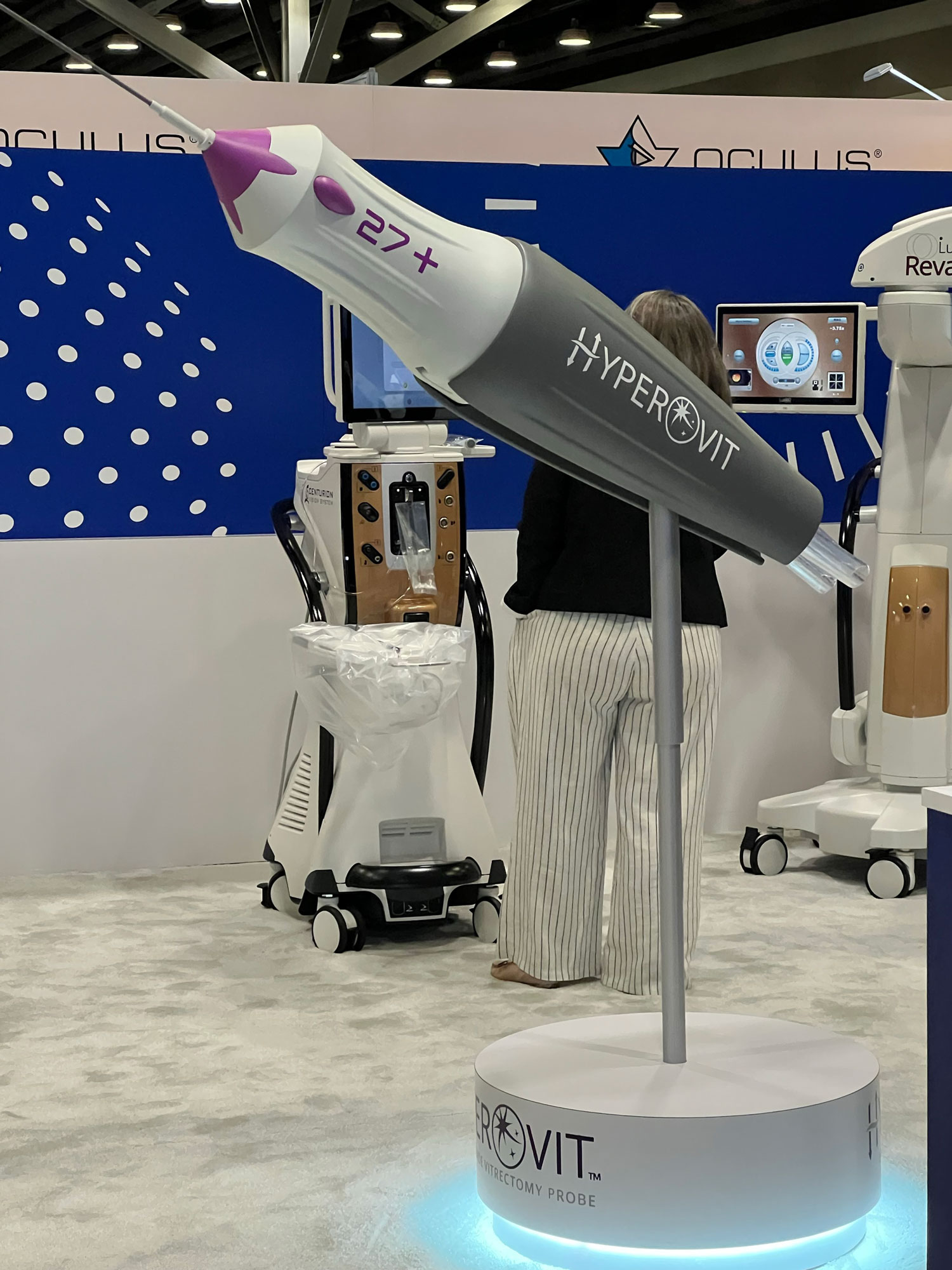
We Build Custom 3D Trade Show Display Props

Did you know we make

3D Props

The Art and Science of Medical Exhibiting

In the world of conferences and expos, few industries carry as much weight—or as much responsibility—as healthcare. When you step into a medical or healthcare event, you’re entering a world where innovation literally saves lives. Every booth, banner, and digital display has a purpose beyond promotion—it’s about education, trust, and the pursuit of better outcomes. “Displays for medical and healthcare events” are no ordinary trade show installations. They are storytelling environments where science meets empathy, and where technology showcases its ability to improve human well-being. Whether it’s a pharmaceutical company launching a breakthrough therapy, a hospital group highlighting patient-centered care, or a biotech startup unveiling diagnostic tools, these exhibits must do more than attract attention—they must earn credibility.

Displays for Medical and Healthcare Events 3d

Why Medical Displays Matter

Unlike most industries, healthcare marketing operates within a delicate framework of ethics and precision. Every display must balance clarity and compliance with creativity and emotional resonance. A well-designed healthcare exhibit can transform complex scientific data into visual stories that both specialists and general audiences can understand. These displays are vital for multiple reasons. They serve as educational platforms where professionals exchange knowledge about new treatments and technologies. They act as brand ambassadors, translating a company’s mission into physical form. And most importantly, they build trust in an industry where reliability and safety are non-negotiable.

Imagine a cardiology conference where one exhibit features a life-size, illuminated model of the human heart, pulsing in sync with a real heartbeat simulation. Across the aisle, a biotechnology startup demonstrates its microfluidic device inside a sleek, transparent case, allowing attendees to watch it work. Nearby, a hospital network invites visitors into a serene, spa-like environment symbolizing healing spaces of the future. Every detail—from lighting temperature to flooring material—is deliberate, designed to evoke professionalism, calm, and confidence.

The Psychology of a Healthcare Display

In healthcare, design psychology plays a subtle yet profound role. Attendees at medical events often come from scientific, clinical, or administrative backgrounds. They appreciate precision and authenticity. A chaotic or overly “salesy” booth can repel rather than attract.

Successful healthcare displays focus on three key psychological triggers: clarity, calm, and credibility. Clarity means visuals that make complex ideas digestible—clear text, legible graphics, and meaningful imagery. Calm involves using color, light, and layout to reduce cognitive overload; think of soft blues, whites, and gentle gradients rather than bold neon tones. Credibility comes through in material choice and craftsmanship—polished finishes, organized product zones, and evidence-based messaging.

The overall effect? A visitor feels reassured the moment they enter the space. They may not consciously analyze every design choice, but they feel the professionalism, cleanliness, and care. That emotional impression can do more for brand trust than any brochure.

Innovation at the Intersection of Medicine and Design

Modern healthcare exhibits are increasingly interactive, blending technology and storytelling. Companies are investing in immersive, hands-on experiences that turn static information into memorable engagement. For example, augmented reality (AR) and virtual reality (VR) stations allow attendees to “step inside” molecular pathways or explore a 3D model of the human brain. Touchscreen walls invite visitors to navigate disease-treatment journeys, watch explainer videos, and visualize before-and-after patient outcomes.

Meanwhile, data visualization has evolved into an art form. Instead of traditional graphs, displays now use sculptural installations—think glowing, fiber-optic representations of neural networks or dynamic LED ribbons showing heart-rate patterns in real time. The line between exhibit design and scientific art continues to blur. Lighting, too, plays a powerful role. Bright, clinical white LEDs convey precision and cleanliness, while warmer tones add comfort and approachability. Even subtle cues—like motion-triggered lighting that activates as visitors approach—create an intuitive sense of discovery.

The Anatomy of a Successful Medical Display

Every great healthcare event display is built around one unshakable idea: clarity of purpose. Before fabrication begins, exhibitors ask themselves, “What story are we telling?”

If the goal is to demonstrate a new surgical robot, the booth might revolve around the machine itself, spotlighted like a centerpiece of innovation. If the goal is to promote preventive care, the design might focus on serenity and wellness—curved shapes, flowing visuals, and open spaces that encourage exploration.

At its best, a display feels like a miniature environment—one that reflects the values of the brand and the aspirations of its audience. The textures, lighting, and forms are orchestrated to create not just beauty, but meaning. A well-executed healthcare booth typically includes defined zones: an education area with digital screens or video walls, a consultation area for private conversations, and an interactive or demo space for hands-on experiences. Each section must transition smoothly, allowing attendees to journey naturally from awareness to engagement to dialogue.

Visual Storytelling in the Medical Space

Healthcare is filled with data—but data alone doesn’t move people. Visual storytelling transforms information into impact. For instance, a pharmaceutical company showcasing a new therapy for autoimmune disease might use layered transparent panels, each showing part of the immune system in action. As attendees move around, the overlapping panels create a 3D effect that explains the treatment mechanism visually—no complicated jargon needed. Or imagine a healthcare nonprofit’s display designed like a modern clinic, complete with ambient sound and soft lighting. Visitors don’t just learn about the organization’s mission—they feel it. Visual storytelling bridges the gap between emotion and evidence. It humanizes science and reminds us that every molecule, algorithm, or instrument ultimately serves one purpose: better health for real people.

Designing for Safety and Compliance

Medical events operate under strict regulations, especially when pharmaceuticals or medical devices are involved. Displays must adhere to industry compliance standards governing what can be claimed, shown, or demonstrated. This creates an added challenge for designers: how to remain visually compelling within rigid boundaries. Skilled exhibit builders approach this creatively—by focusing on form, experience, and emotion rather than exaggerated claims.

For instance, a device manufacturer may highlight craftsmanship and innovation through design metaphors—illuminated cross-sections, precision machining aesthetics, or transparent casings that symbolize honesty and openness. Compliance doesn’t mean blandness; it just requires smarter storytelling. Moreover, healthcare exhibits must often meet specific safety and accessibility guidelines. Materials need to be non-toxic, easy to clean, and structurally sound. Lighting must be bright but non-glaring. Flooring should be slip-resistant and ADA-compliant. The space itself must invite people of all abilities to participate comfortably.

Materials and Mood: Designing with Intention

The materials used in healthcare displays aren’t chosen by chance—they communicate subconscious messages about quality, cleanliness, and care. High-gloss white surfaces suggest sterility and modernity. Soft-touch laminates and woodgrain accents introduce warmth. Glass and acrylic provide transparency—literally and figuratively—symbolizing openness and trust. Metallic finishes convey innovation and technical sophistication.

Color psychology plays a key role. Blue tones signal trust and intelligence. Green evokes health and growth. White implies cleanliness and precision. A splash of warm coral or yellow can make a scientific display feel human and optimistic. The best exhibits mix these cues into cohesive environments—spaces that feel professional yet welcoming, futuristic yet compassionate.

The Role of Technology: Making the Invisible Visible

In the medical field, much of the most fascinating science happens at scales too small for the human eye. Display designers have taken on the challenge of making the invisible visible.

Large-scale LED walls might show animated cellular processes or time-lapse healing sequences. Transparent OLED screens can overlay molecular models onto real physical objects, blending reality with visualization. Projection mapping can turn an abstract space into a dynamic narrative canvas, where every wall tells part of a story.

Touchscreen interfaces, holographic displays, and sensor-triggered experiences are increasingly common. These interactive elements allow visitors to learn at their own pace and deepen engagement. For example, a visitor might “build” a DNA strand on-screen, explore the path of a drug through the bloodstream, or simulate a surgical procedure in VR. This fusion of art, technology, and science makes today’s healthcare exhibits as educational as they are beautiful.

How Medical Displays Are Built

Behind every polished exhibit lies a complex process of design, engineering, and craftsmanship. Fabricating a display for a medical or healthcare event requires precision, safety, and often, modular flexibility for travel and reuse.

1. Design and Concept Development
The journey begins with concept sketches and 3D renderings. Designers collaborate closely with the client’s marketing and compliance teams to ensure accuracy in both message and presentation. Every element—from color palette to spatial flow—is planned to reflect brand identity and regulatory constraints.

2. Digital Modeling and Engineering
Once approved, the design moves into CAD modeling and structural engineering. This phase ensures that every wall, counter, and archway meets safety standards and can be assembled efficiently on-site. Lightweight aluminum frames or steel trusses often form the backbone of the structure.

3. Material Selection and Fabrication
Healthcare displays often use a mix of high-density foam, acrylic, MDF, and aluminum. Surfaces are finished with laminates, paint, or printed graphics. Polycarbonate panels or fabric tension systems allow for sleek curves and clean lines. Durability and hygiene are critical. Materials must resist wear and cleaning chemicals, especially if the exhibit is reused across multiple events. Many fabricators use antimicrobial laminates or sealed surfaces to meet these requirements.

4. Lighting and Technology Integration
Special attention is given to lighting design—embedded LEDs, spotlighting for medical instruments, or backlit graphics for soft visual impact. Electrical engineers integrate video walls, monitors, and sensor systems, hiding cables within the structure for a seamless look.

5. Assembly, Testing, and Logistics
Before shipping, exhibits are often test-built in the fabrication warehouse to ensure flawless fit and finish. Everything must pack flat and reassemble perfectly, as healthcare clients expect the same quality on every tour stop.

The result is a structure that looks effortless on the surface—but underneath lies an orchestration of materials science, engineering, and design thinking.

Real-World Examples of Impactful Healthcare Displays

Walk through any major healthcare expo—like HIMSS, MEDICA, or RSNA—and you’ll witness how far the field has evolved. A diagnostics company might use an illuminated curved wall representing a DNA helix, symbolizing their genetic testing innovation. A hospital design firm might create an open “wellness pod” filled with greenery and natural materials to promote healing environments. A digital health startup could feature a futuristic control center where data visualizations pulse across transparent screens, showing real-time patient monitoring.

Even small booths can make a big impression with the right storytelling. A local medical nonprofit, for instance, might display a series of life-sized photographs of patients and doctors, paired with a minimalist structure that communicates honesty and compassion. These exhibits succeed not because they shout the loudest, but because they connect authentically—reminding every attendee that healthcare is, above all, about people.

Sustainability and Ethics in Healthcare Exhibiting

Today’s healthcare organizations are increasingly mindful of sustainability. The materials used in displays must reflect those values. Reusable aluminum framing systems, modular graphics, LED lighting, and recyclable substrates are standard in forward-thinking fabrication shops. Some exhibit houses even offer “green certifications,” ensuring every element of the build—from inks to adhesives—meets eco-friendly standards. For healthcare brands that promote environmental responsibility, sustainable exhibit design is not just a bonus—it’s a brand alignment. Moreover, ethical storytelling matters. Healthcare displays must avoid sensationalism or fear-based imagery. Instead, they focus on empowerment, prevention, and innovation. The tone is positive and informative, guiding the visitor toward understanding rather than persuasion.

The Future of Medical Event Displays

As medicine continues to integrate AI, biotechnology, and digital monitoring, the future of healthcare exhibits will likely be even more immersive. Expect dynamic environments that react to visitors in real time, biometric sensors that personalize educational content, and holographic displays that project anatomical or procedural visuals at life scale.

Hybrid event models—combining physical exhibits with virtual extensions—are also shaping the landscape. After an attendee visits a booth, they might receive a virtual follow-up tour or access to a digital twin of the exhibit online. This extends engagement beyond the event floor, transforming a three-day expo into a year-long educational ecosystem.

Another emerging trend is human-centric experiential design. While technology continues to evolve, the best exhibits will always return to the same principle: creating genuine, human connection. Whether through thoughtful storytelling, inclusive design, or environments that foster collaboration, the next generation of healthcare displays will bring empathy and innovation together like never before.

Bringing It All Together: Science, Story, and Soul

A display for a medical or healthcare event is more than just a booth—it’s a mission made visible. It represents the countless hours of research, care, and innovation behind every breakthrough. When crafted thoughtfully, it transforms sterile facts into human stories and complex technology into approachable experiences. These exhibits remind us that healthcare is not just about machines and data; it’s about people—the patients whose lives are touched, the professionals who dedicate themselves to healing, and the innovators who push the boundaries of what’s possible.

In an industry defined by precision, a great display must embody that same precision—balanced with warmth, empathy, and imagination. From design to fabrication, every element should reflect the values of medicine itself: clarity, compassion, and excellence. So the next time you walk through the aisles of a healthcare expo and stop in awe before a glowing wall of data or a serene wellness-themed environment, remember—what you’re seeing isn’t just design. It’s the heartbeat of progress, rendered in physical form. It’s proof that when science and creativity work together, the result can heal minds as well as inspire them. Trade shows are arenas. Make sure your booth is ready to win.

Check out WhiteClouds’ 3D Props for more information.

Contact us today to learn more about our 3D services and how we can help you achieve your goals. 


Get a Free Quote on a Custom 3D Billboard

Get a Free Quote