Animal Safari Themed Statues
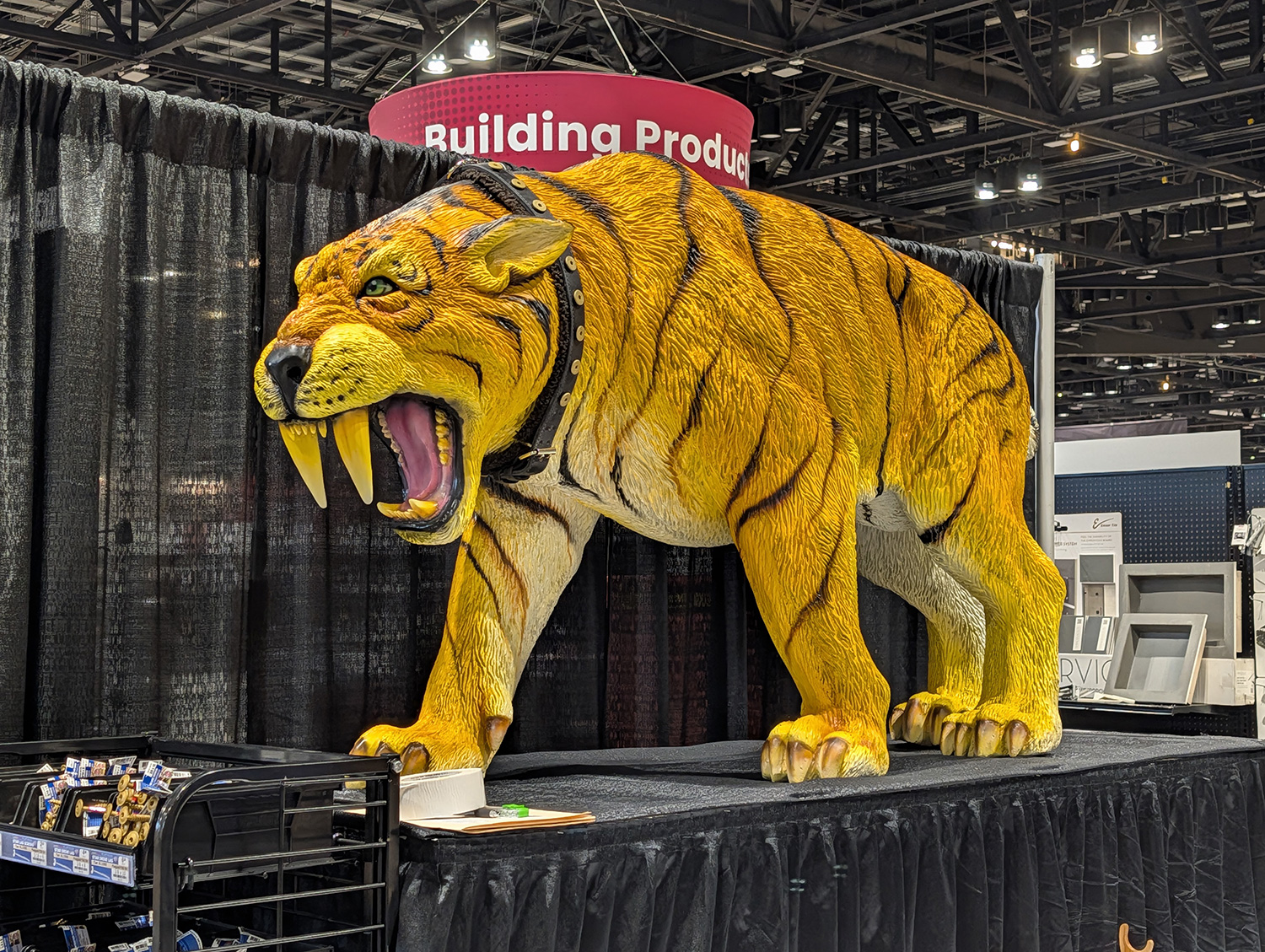
We Build Custom 3D Props
Where the Wild Things Come to Life
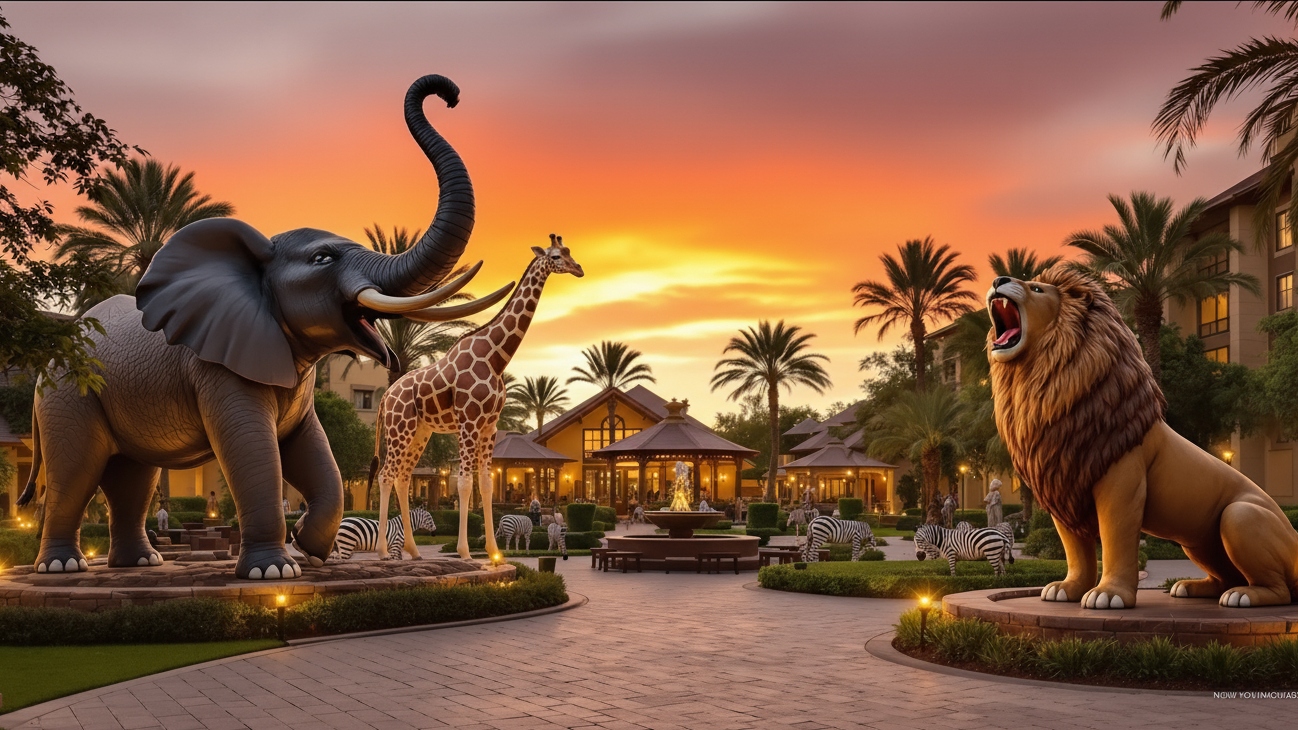
Step into a world where bronze lions roar without sound, zebras gallop mid-stride, and elephants raise their trunks eternally toward the sky. Animal safari themed statues have become one of the most captivating trends in art, landscaping, and interior design — blending raw wilderness with human creativity. These sculptures bring the grandeur of the savanna into our spaces, capturing not only the likeness of wildlife but the spirit of adventure itself. Whether they stand as majestic outdoor guardians, elegant indoor showpieces, or playful garden companions, safari statues embody a fascination as old as humanity’s first brush with nature: the desire to freeze motion, emotion, and the primal pulse of the wild in permanent form. This is more than decor — it’s storytelling through sculpture.

The Call of the Wild in Modern Art
There’s something timeless about our attraction to animals. Since the cave paintings of Lascaux, artists have used animal imagery to symbolize power, freedom, beauty, and mystery. The modern revival of safari-themed statues carries that same essence but reimagined for contemporary settings.
Today, sculptors use the raw dynamism of wildlife to express strength, serenity, or even humor. A prowling cheetah cast in bronze brings sleek energy to a corporate courtyard. A gentle family of elephants carved from reclaimed wood adds warmth and wisdom to a home entrance. A playful group of meerkats in resin can turn an ordinary garden into a miniature safari park. Each piece becomes a bridge between civilization and wilderness — a visual reminder that, even surrounded by glass and concrete, we remain connected to nature’s untamed heartbeat.
The Emotional Power of Safari Sculpture
Animal statues do more than decorate. They evoke emotion, spark imagination, and often tell personal stories. For some, a lion symbolizes leadership and courage — a statement piece for a company lobby or a motivational focal point at home. For others, elephants represent loyalty, longevity, and family bonds. Giraffes inspire elegance and perspective. Rhinos, with their stoic power, remind us of resilience.
Safari statues tap into universal archetypes — the noble leader, the nurturing parent, the stealthy hunter, the curious explorer. They invite us to see fragments of ourselves reflected in the animal kingdom’s diversity. Placed thoughtfully, these statues can transform spaces into immersive environments. A bronze elephant flanking a walkway turns a simple path into an expedition. A life-sized zebra sculpture set amid tall grasses turns a backyard into an African dreamscape. Art like this isn’t background — it’s atmosphere.
A Global Trend with Local Soul
Safari-themed decor has surged worldwide, but its appeal is deeply personal. Homeowners, resorts, parks, and designers are blending African, Asian, and tropical aesthetics to create environments that celebrate wildlife’s majesty while honoring local culture and sustainability.
In upscale resorts across Kenya, Tanzania, and South Africa, handcrafted animal statues greet guests as part of the landscape — a continuation of the safari experience. In urban centers from Dubai to Los Angeles, architects incorporate large-scale bronze or steel animal figures into plazas, evoking both natural power and artistic sophistication.
Meanwhile, artisans in small studios from Bali to Nairobi are crafting smaller, hand-carved safari figures from wood, stone, and clay, each one unique. This global exchange has given safari art a dual identity: both high-end and heartfelt, both decorative and symbolic.
The result? A design language that celebrates the wild, no matter where in the world you stand.
The Materials That Make the Magic
Safari sculptures are as diverse as the species they portray. The choice of material defines not only durability but personality.
Bronze, with its ancient heritage, remains a favorite. It ages gracefully, developing a patina that deepens over time, much like the savanna landscapes it represents. Bronze lions, elephants, and leopards often anchor luxury estates and hotels, symbolizing both art and endurance.
Resin and fiberglass allow artists to experiment with dynamic poses and bright finishes. They’re lightweight and weather-resistant, ideal for playful garden installations or themed events.
Wood carvings, particularly from teak, acacia, or mahogany, emphasize craft and texture. Each cut reveals both the artist’s hand and the tree’s story, giving the statue an earthy authenticity.
Stone sculptures, especially in granite or marble, evoke quiet grandeur. A marble zebra or granite gorilla stands not only as art but as architecture — a permanent guardian of space.
Then there’s mixed-media art, where artists weld recycled car parts into rhinos, assemble driftwood into elephants, or use glass mosaic for feathers and scales. These hybrid works fuse sustainability with imagination, proving that even discarded materials can find new life in the form of the wild.
Safari Statues in Modern Spaces
What makes safari-themed statues so versatile is their ability to inhabit almost any environment without losing meaning.
- In residential spaces, they transform interiors into storytelling zones. A small bronze cheetah on a coffee table captures movement and grace. A stylized zebra bust adds monochrome drama to minimalist décor.
- In landscaping and exteriors, safari sculptures become focal points. Imagine an entryway flanked by regal lions or a garden path watched over by a family of elephants. By night, soft lighting turns these figures into silhouettes of mystery.
- In commercial and public installations, scale grows monumental. Cities commission massive steel giraffes for park entrances or elephant families for plazas, merging art and identity. Even corporate offices are embracing safari pieces to symbolize innovation, collaboration, and strength.
The aesthetic isn’t confined to any single culture — it speaks universally, in the shared language of nature’s form.
The Fabrication Process: How Animal Safari Statues Are Made
Behind every finished sculpture is a symphony of craftsmanship, science, and artistry. Whether it’s a small figurine or a life-sized elephant, fabrication follows a fascinating journey.
1. Concept and Design
The process begins with sketches, mood boards, and 3D models. Artists decide on pose, emotion, and environment. A roaring lion might be designed to command a space, while a resting zebra brings calm. Designers often collaborate with zoologists or photographers to ensure anatomical accuracy.
2. Armature and Structure
For larger pieces, an internal skeleton — or armature — is built from steel or aluminum rods. This supports weight and maintains balance. Smaller sculptures might use wire frames or digital printing foundations.
3. Sculpting and Detailing
Clay, wax, or digital modeling software becomes the sculptor’s playground. Here, muscle tone, fur texture, and expression take shape. Every contour is refined until the creature looks ready to move.
4. Molding and Casting
If the statue will be cast in bronze or resin, a mold is created from the master model. Liquid metal or resin is poured in, capturing every detail of the sculpt. Once cooled or hardened, the mold is removed, revealing a perfect replica ready for finishing.
5. Finishing and Patina
Surface treatment gives the sculpture character. Bronze pieces are oxidized to create rich patinas — deep browns, greens, or golds. Wooden or resin statues are polished and painted by hand, with brushstrokes that mimic fur, scales, or feathers.
6. Installation
The final piece is mounted on a base or integrated into its environment. Outdoor installations often include lighting, weatherproof coatings, or structural reinforcements. The unveiling transforms an artist’s vision into a permanent encounter between art and environment.
Fabrication, in essence, turns inspiration into immortality.
The Role of Technology: From Hand-Carving to 3D Printing
While traditional sculpting remains at the heart of safari statue creation, technology has opened new dimensions.
3D scanning and printing now allow artists to create prototypes or scale replicas of their work with astonishing precision. A sculptor might hand-carve a lion’s head, then digitally scan it to produce resin miniatures for collectors.
Computer-aided design (CAD) tools help with balance and anatomy, ensuring large installations can withstand outdoor conditions. Engineers simulate wind resistance, sun exposure, and material expansion to prevent cracks or corrosion.
Even robotic carving machines now assist in translating digital models into life-sized foam or stone blocks, which artisans then refine by hand.
Technology doesn’t replace craftsmanship—it amplifies it. It lets artists focus more on emotion and design while maintaining technical excellence. The result: safari sculptures that are both handcrafted and high-tech, primal and futuristic.
Eco-Art: Sustainability Meets Safari
As awareness grows about environmental impact, many artists are rethinking how safari sculptures are made.
Some use recycled materials — scrap metal, old tires, driftwood — to highlight conservation themes. Others partner with wildlife organizations, donating proceeds to protect the very species they sculpt.
In Africa, collectives of local artisans create stunning safari figures from discarded oil drums and car parts, turning waste into wonder. Each rhino or elephant not only celebrates wildlife but also raises awareness of habitat loss and poaching.
This eco-conscious approach gives safari art deeper meaning. It transforms beauty into advocacy — reminding us that to truly honor nature, we must protect it.
Iconic Animals of the Safari in Sculpture
While the entire animal kingdom inspires artists, a few species dominate the safari sculpture scene because of their symbolic resonance.
Lions represent leadership, power, and pride. Their statues often adorn gates, courtyards, and institutions as protectors.
Elephants embody wisdom, memory, and unity. Their family groupings make touching installations for parks and resorts.
Giraffes, with their graceful necks, symbolize vision and uniqueness, popular in modern minimalist art.
Rhinoceroses evoke strength and rarity — often sculpted in bold, geometric forms.
Zebras bring rhythm and pattern, their stripes offering natural contrast for interior décor.
Cheetahs and leopards embody motion and stealth, frozen mid-leap or mid-stalk.
Together, these animals form the artistic Big Five of safari sculpture — timeless, evocative, and endlessly inspiring.
How Safari Statues Transform Environments
The placement of safari sculptures is as important as their design. A well-sited statue changes not just what we see, but how we feel in a space.
A bronze elephant by a pond becomes a reflection of stillness and strength. A family of lions on a hotel lawn evokes protection and prestige. A rhino made of scrap metal in a city square speaks of resilience amid industrialization.
Landscape designers often build entire narratives around these pieces — using vegetation, lighting, and pathways to frame the statue like a scene from nature. At night, spotlights cast elongated shadows, making the sculptures seem alive again under the stars. In this way, safari statues are not passive decorations — they are living compositions that change with light, weather, and perspective.
The Collector’s World: Bringing the Safari Home
For collectors, owning an animal statue isn’t just an aesthetic choice — it’s a connection to something timeless.
A hand-carved wooden elephant in the living room can be a daily reminder of family unity. A sleek bronze cheetah on the mantle adds drama and energy. Miniature safari collections — rhinos, antelopes, parrots — can transform a shelf into a story of the wild.
Luxury designers now curate limited-edition collections, where every piece is numbered and signed. Collectors often commission personalized sculptures — an elephant family representing their own, or a lion embodying perseverance through hardship.
Each piece becomes more than art. It becomes identity — a sculpted reflection of values and dreams.
The Future of Safari Sculpture
As styles evolve, so do the meanings we assign to animal art. The next generation of safari statues may merge interactive technology, lighting effects, and AR experiences. Imagine a life-sized giraffe whose eyes glow softly at dusk, or a digital rhino that reacts to a visitor’s motion through projection mapping.
In parallel, sculptors are exploring abstract interpretations of wildlife — deconstructing forms into geometric lines or transparent layers. These modern pieces honor nature not through imitation, but through emotional echo.
One thing is certain: the fascination with animals as symbols of strength, grace, and connection will never fade. Safari-themed art will continue to evolve — timeless yet constantly reborn, much like the wild itself.
Why We Keep Bringing the Wild Home
Animal safari statues satisfy a deep human longing — the desire to stay connected with nature, even as our lives become more digital and urban. They remind us of balance and beauty, of instinct and intuition. A lion’s stance whispers courage. A zebra’s stripes teach harmony in contrast. An elephant’s presence speaks of wisdom and continuity.
These works of art don’t just depict animals; they remind us that we are animals — capable of wild imagination and enduring strength. From gallery to garden, boardroom to backyard, safari sculptures carry the ancient voice of the wild into the heart of human spaces.
Sculpting the Spirit of the Safari
In the end, animal safari themed statues are more than creative expressions — they’re monuments to coexistence. They capture a conversation between man and nature that’s been ongoing for millennia, reimagined through metal, stone, and wood. They remind us that art is not only about seeing beauty but preserving it. Every carved elephant, molded lion, or welded giraffe tells a story — of the wilderness, of the artist, and of us. When we stand before these statues, we aren’t just admiring form — we’re remembering where we came from. The savanna may be miles away, but in the gleam of bronze and the curve of a tusk, the wild is still very much alive.
Check out WhiteClouds’ 3D Props for more information.
Contact us today to learn more about our 3D services and how we can help you achieve your goals.Â