
Why Aluminum is the Ideal Medium
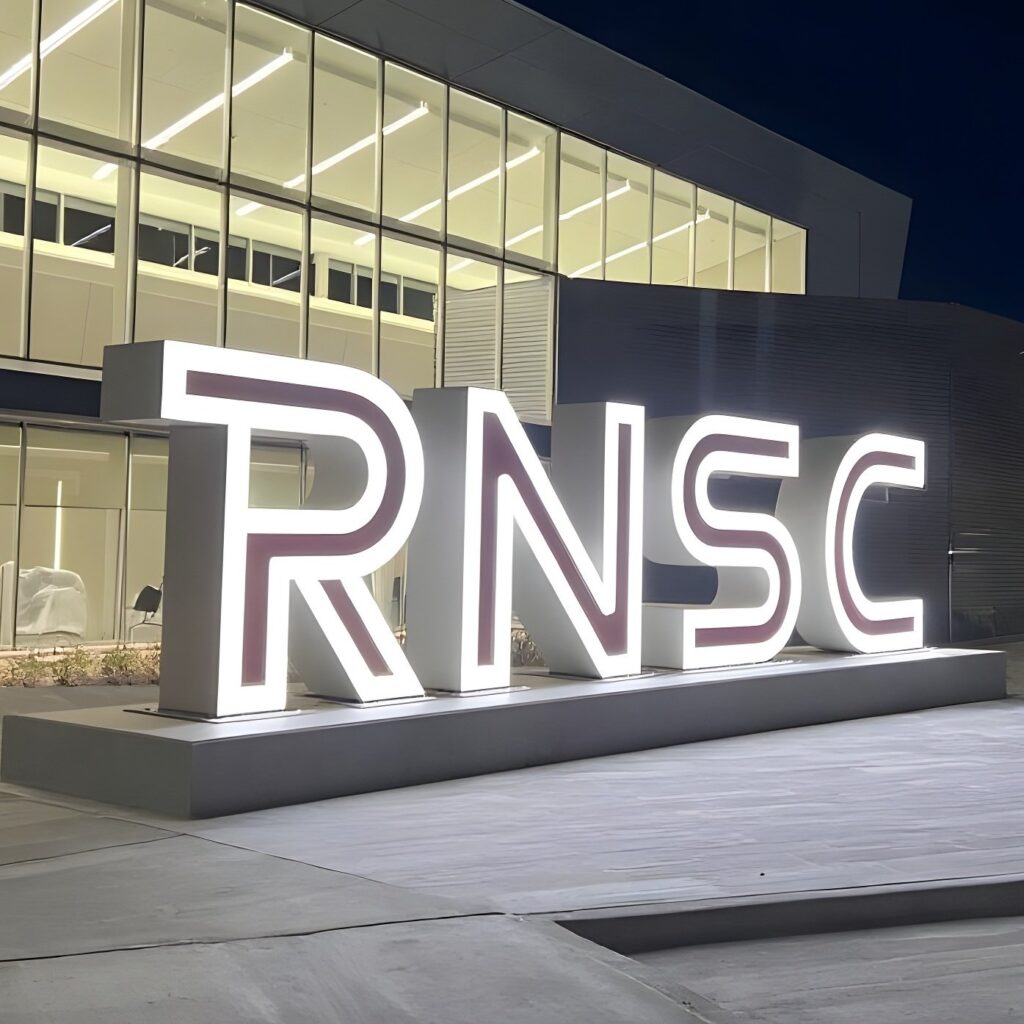
Before diving into the process, it’s important to understand why aluminum remains the go-to material for laser-cut lettering. Lightweight yet strong, aluminum combines aesthetic versatility with long-term durability. It resists corrosion, holds its finish in all weather conditions, and offers a natural metallic sheen that complements modern architectural styles.
Unlike heavier metals such as steel, aluminum is easier to handle and shape, making it perfect for both large-scale exterior installations and refined interior branding. Its ability to hold sharp, precise cuts means that even delicate fonts, intricate logos, and custom designs can be achieved with exceptional accuracy.
When combined with specialized finishes—such as those seen in Brushed Aluminum Letters—the result is a timeless, high-end appearance that elevates the visual identity of any space. For applications requiring completely flat, minimalistic styles, designers often pair these with Flat Cut Aluminum Letters to maintain consistency and a clean architectural aesthetic.
The Power of Laser Precision
The true magic of laser-cut aluminum letters lies in their precision. Laser cutting technology uses a concentrated beam of light to slice through metal with microscopic accuracy, achieving results impossible with traditional mechanical cutting tools. This process produces edges so clean they require little to no additional finishing. The laser beam—measured in thousandths of an inch—vaporizes the metal along the cutting path, leaving behind smooth, burr-free surfaces. For designers, this means the freedom to explore complex typography and creative geometries without compromise. Because the laser is computer-guided, every cut is exact. Whether it’s one letter or a thousand, the result is consistent, ensuring brand standards are maintained perfectly across all signage pieces. This precision also reduces material waste, making it a sustainable and cost-efficient manufacturing method. Laser technology has become an art form in itself—where light, speed, and control come together to create objects that blend industrial strength with artistic beauty.
Step 1: Design and Digital Preparation
Every laser-cut aluminum project begins with design. Architects, designers, or brand specialists submit vector files of the letters or logos they want fabricated. These digital designs are typically created in software such as Adobe Illustrator or CAD programs, ensuring that every curve and corner is defined mathematically.
The vector files are then imported into the laser cutter’s software, where technicians fine-tune the cutting paths. This stage includes setting parameters for speed, intensity, and focal distance, depending on the aluminum’s thickness and desired edge quality.
At this point, precision is key. Even a fraction of a millimeter in alignment can make a difference in the final outcome. The laser system translates these digital instructions into motion commands, preparing for an exact, repeatable cutting process. The fusion of design and engineering ensures that every laser cut aluminum letter begins its journey as a perfect digital representation—ready to be transformed from code to creation.
Step 2: Material Selection and Preparation
Choosing the right type of aluminum is critical to the success of the project. The thickness of the metal varies depending on the intended application. Indoor signage often uses thinner sheets for sleek, lightweight letters, while outdoor installations require thicker, more robust materials for stability and visibility. Before cutting begins, aluminum sheets are cleaned to remove any debris or protective film that could interfere with the laser beam. The surface must be perfectly flat and smooth, ensuring consistent focus across the entire cutting area.
The prepared sheet is then securely placed on the laser cutter’s worktable, often supported by a grid or honeycomb structure that allows for precise airflow and heat dissipation. This setup prevents warping and guarantees a uniform cut even at high temperatures. The combination of material quality and setup precision forms the foundation for flawless execution—a process that transforms simple metal sheets into architectural masterpieces.
Step 3: The Laser Cutting Process
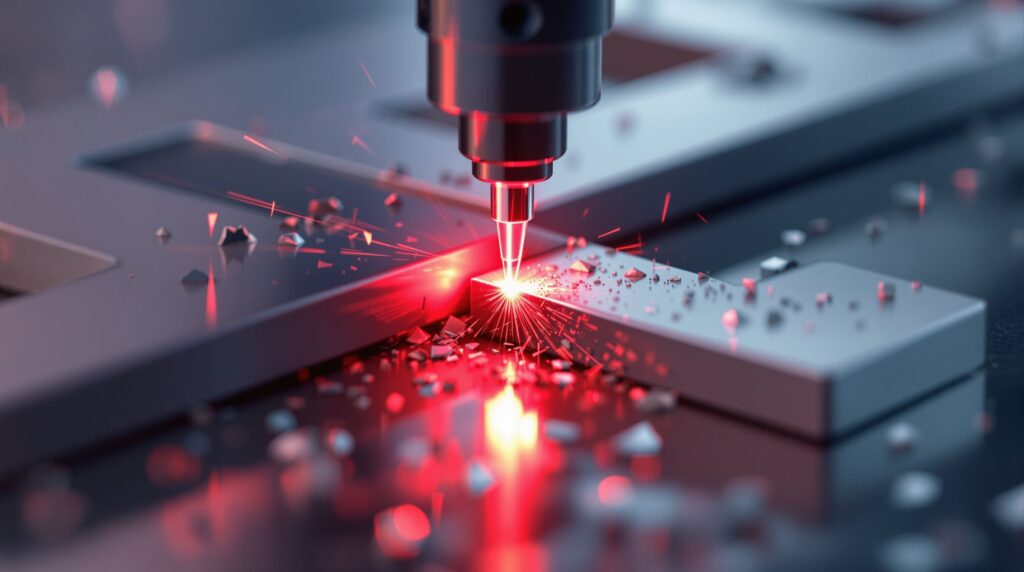
Once everything is in position, the laser takes over. A high-powered laser beam—focused through a specialized lens—cuts through the aluminum with astonishing accuracy. This beam is generated by exciting gas or fiber-optic sources, producing a stream of concentrated energy capable of slicing through metal effortlessly.
The cutting process involves directing the beam along the programmed path at precisely calibrated speeds. For aluminum, the laser typically moves slower than for thinner materials to ensure a clean, polished edge without burn marks. Assist gases such as nitrogen or oxygen may be used to blow away molten metal, cooling the material and improving edge quality.
Unlike mechanical cutting methods that rely on physical force, laser cutting is contactless. There’s no tool wear, no drag marks, and no distortion from pressure. The result is a perfectly smooth edge that captures even the most intricate design details. As the laser moves, a faint glow and trail of sparks follow—signs of light sculpting metal with finesse. It’s a mesmerizing process that combines the precision of technology with the artistry of design.
Step 4: Cooling, Cleaning, and Inspection
After the letters are cut, they are carefully removed from the aluminum sheet. Each piece is inspected for sharp edges or residual material from the cutting process. Any minor imperfections are smoothed using fine abrasives or polishing tools, ensuring the letters meet exacting visual standards.
The cooling process is equally important. Aluminum, being an excellent conductor of heat, cools quickly—but technicians must ensure that each piece maintains its structural integrity and doesn’t warp under thermal stress. Once cooled, the letters are cleaned to remove any residue or oxidation marks that may have formed during cutting. Every piece undergoes a quality control inspection to verify precision, consistency, and finish. Only after passing these checks do the letters proceed to the next stage—finishing and customization. This attention to detail is what gives laser cut aluminum letters their flawless appearance, making them ideal for high-end architectural and branding applications.
Step 5: Finishing and Surface Treatments
While raw aluminum already has a sleek, modern appearance, finishing techniques elevate the aesthetic and performance of laser cut letters. The most common treatments include brushing, polishing, and powder coating.
Brushed finishes add a linear texture that diffuses light evenly across the surface, creating a soft satin sheen. This finish, often seen in Brushed Aluminum Letters, lends a sense of refined luxury and professionalism, ideal for corporate offices and hospitality environments. Polished finishes, on the other hand, create a high-gloss reflective surface reminiscent of chrome—perfect for spaces that require a touch of glamour or modern minimalism. Powder coating offers endless color options and enhanced protection against UV rays, corrosion, and environmental wear.
Each finishing method adds not just beauty, but also durability. The protective coatings shield the metal from oxidation and scratches, ensuring that the letters remain pristine for years, even in challenging climates. In some cases, anodizing is used to achieve a metallic tint while preserving the natural feel of aluminum. This electrochemical process embeds the finish into the metal’s surface, producing brilliant, long-lasting color variations. The final look of the letters depends entirely on the brand’s identity and setting—matte for subtle elegance, glossy for bold modernity, or colored for creative expression.
Step 6: Mounting and Installation
Once the letters are finished, the next stage is preparation for installation. Depending on the project requirements, the letters can be mounted flush against a surface or raised using spacers for a floating effect. The choice of mounting method affects not only the aesthetic but also how shadows and light interact with the signage.
For precision alignment, templates or mounting patterns are often created during production. These ensure that each letter is spaced perfectly and positioned according to the design layout. Installers use studs, adhesives, or a combination of both to secure the letters firmly in place.
Lighting can also be incorporated into the design, especially for exterior signage or branding that needs nighttime visibility. Backlighting, or halo lighting, creates a soft glow behind the letters, emphasizing their form without overpowering the architecture.
The installation process is where all the precision of laser cutting comes to life. Every curve, edge, and line aligns seamlessly, transforming a blank surface into a sophisticated visual statement that captures attention from every angle.
The Advantages of Laser Cutting Over Traditional Methods
Traditional metal cutting methods—such as mechanical routers, waterjets, or plasma cutters—have limitations in precision, flexibility, and edge quality. Laser cutting eliminates those constraints.
Unlike routers that rely on physical blades, laser cutting delivers an exceptionally clean edge without mechanical stress. This ensures that even the thinnest aluminum sheets retain their structural integrity. The precision of laser technology also allows for much finer detail, making it ideal for intricate logo designs or small-scale lettering where clarity is critical.
Another major advantage is repeatability. Once programmed, a laser cutter can reproduce hundreds or even thousands of identical letters with absolute consistency—a critical requirement for large branding projects or multi-location installations. Moreover, laser cutting minimizes material waste. The computer-guided system optimizes nesting layouts, fitting letter shapes together efficiently on each sheet. This reduces both cost and environmental impact, making it an eco-conscious choice for modern fabrication. Laser technology not only revolutionizes production efficiency but also elevates the artistry of design—bridging the gap between digital creativity and tangible form.
Integrating Technology and Craftsmanship
While the laser cutter is the heart of the process, human expertise remains essential. Skilled technicians oversee every step, from calibrating the laser’s power settings to perfecting the final finish. The marriage between technology and craftsmanship ensures that each letter meets both aesthetic and structural standards.
This balance between innovation and human touch defines the beauty of laser cut aluminum lettering. The machines provide precision; the artisans provide vision. The outcome is signage that feels alive—meticulously engineered yet artistically expressive.
Fabricators like WhiteClouds exemplify this synergy, combining advanced manufacturing tools with the hands-on experience of artisans who understand the nuances of design, proportion, and visual harmony.
Applications Across Industries
The versatility of laser cut aluminum letters makes them a favorite across diverse industries. In corporate environments, they lend authority and sophistication to office lobbies, boardrooms, and exterior facades. In hospitality and retail, they set the tone for luxury, warmth, or innovation.
Architects use them to highlight building names or integrate them into wayfinding systems that blend seamlessly with the surrounding architecture. Municipal projects incorporate them into public art installations and landmark signage that define cityscapes.
Their clean edges and customizable finishes also make them ideal for minimalist modern designs, blending perfectly with glass, stone, or wood. Whether installed in a bustling downtown district or a quiet residential community, these letters communicate stability, creativity, and professionalism. For clients seeking design inspiration or examples of real-world applications, Laser Cut Aluminum Letters offer endless possibilities to explore craftsmanship, customization, and visual impact.
Sustainability and Environmental Responsibility
Laser cutting isn’t just precise—it’s also environmentally friendly. The process generates minimal waste compared to traditional methods, thanks to optimized material usage and non-contact cutting. The absence of harsh chemicals and reduced need for mechanical tooling further minimizes environmental impact. Additionally, aluminum itself is one of the most sustainable materials available. It’s fully recyclable without losing strength or quality, meaning that even the scraps from laser cutting can be reused in future projects. This makes laser cut aluminum letters a responsible choice for eco-conscious brands and architects focused on sustainable building practices. When paired with energy-efficient lighting and long-lasting finishes, aluminum signage offers a green alternative that aligns beautifully with modern design ethics.
The Future of Laser Cut Lettering
As laser technology continues to evolve, so does the potential for creative expression. Newer laser systems use fiber-optic and high-speed cutting techniques that enhance precision even further, allowing for complex layered designs and mixed-material applications.
Designers are also experimenting with 3D laser engraving, integrating textures, patterns, and gradients directly into the aluminum surface. Combined with digital fabrication and customization software, these innovations are pushing the boundaries of what signage can be.
Future projects will likely include smart lighting integration, interactive displays, and sustainable materials—all powered by the precision and adaptability of laser cutting technology. The result is signage that not only communicates but interacts, evolving from static branding to experiential design.
Bringing It All Together
Laser cut aluminum letters represent the perfect fusion of technology, artistry, and endurance. Each stage of the process—from digital design to the final installation—reflects precision, creativity, and innovation. They embody the principles of modern design: clean lines, sustainability, and timeless appeal. For businesses, architects, and designers, these letters are more than a branding tool—they’re a statement of quality and intent. They signal a commitment to craftsmanship, innovation, and long-term value. Explore the artistry and science of laser fabrication through WhiteClouds’ Aluminum Letters and discover how laser cut design can transform your next project into a lasting architectural impression.