

Where Team Spirit Becomes Legendary in 3D Form
They stand tall outside stadiums, arenas, and fields—capturing the roar of the crowd, the pulse of the game, and the unshakable pride of fans everywhere. Sports mascot statues are more than metal and resin—they’re the larger-than-life guardians of team spirit. From roaring tigers and soaring eagles to grinning bulldogs and mythical beasts, these statues greet every fan with a reminder: This is home turf. In the world of sports, mascots are storytellers. They embody the heart of a franchise or a school, translating decades of history, victories, and rivalries into one unforgettable symbol. When sculpted into permanent form, mascots become rallying points, selfie magnets, and emotional anchors for generations of fans. A well-designed mascot statue doesn’t just stand still—it vibrates with energy, pride, and identity. Let’s explore how these statues came to be, why they matter, how they’re made, and the artistic craftsmanship that turns a mascot’s playful spirit into a monumental work of art.
The Evolution of Mascot Pride: From Sidelines to Statues
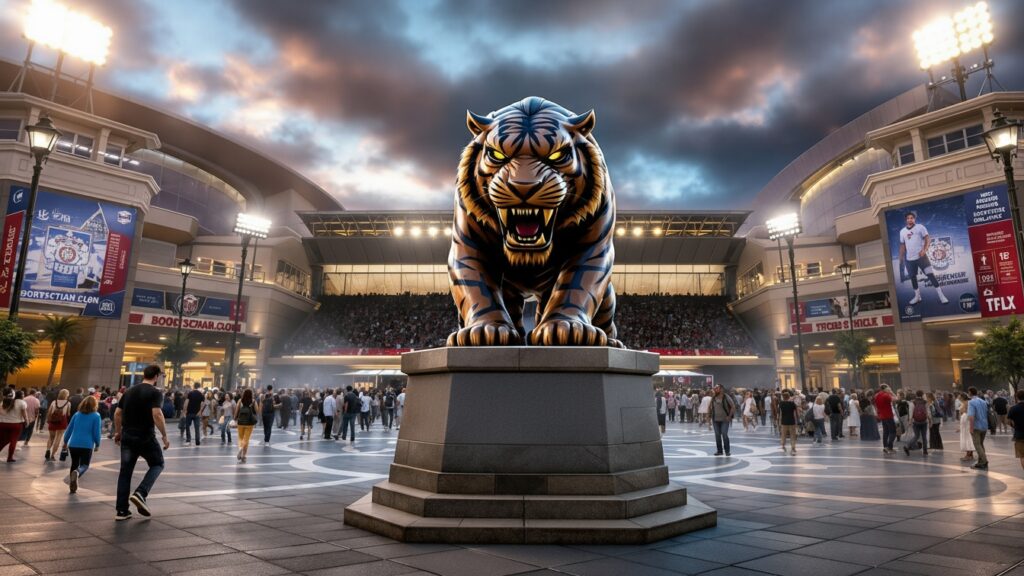
Mascots have been cheering on athletes for more than a century, but the move from costume to sculpture marks a powerful evolution in sports storytelling. Early mascots were often simple costumed figures—college students or performers hyping up the crowd. As teams grew, mascots became icons. Think of the fierce bronco that defines Denver, the eagle that soars over Philadelphia, or the wildcat that guards university gates across America. The natural next step was immortalization—turning these beloved figures into art that outlasts any game. Today, mascot statues have become cornerstones of stadium design and fan culture. They stand as meet-up spots before games, celebratory landmarks after victories, and timeless reminders of loyalty through every win and loss. For many fans, touching or photographing a mascot statue before entering the stadium has become a pre-game ritual—part superstition, part tradition, all heart.
The Emotional Impact: Why Fans Connect So Deeply
Sports mascots, in their living or sculpted forms, are extensions of identity. They embody not just a team’s name, but the pride of cities, universities, and entire regions. When a fan sees their mascot immortalized in a larger-than-life sculpture, it becomes a deeply personal experience—a reflection of their own connection to the team’s story.
These statues often serve as emotional landmarks. Generations take photos in front of them—grandparents who attended games decades ago standing alongside children just discovering the sport. The statue becomes a constant when seasons change, players retire, and stadiums evolve. It’s a shared symbol of belonging. That’s why you’ll rarely find a mascot statue hidden in a corner. They’re front and center, proudly displayed near entrances or plazas—commanding attention, inviting interaction, and giving fans a reason to stop, cheer, and remember.
Iconic Examples: When Mascot Statues Become Legends
Around the world, mascot statues have transformed into cultural symbols, transcending the teams they represent.
At the University of Georgia, “Uga,” the iconic bulldog, sits forever in sculpted glory, surrounded by fans and flowers. At Penn State, the Nittany Lion Shrine is a must-see landmark, its powerful pose carved from limestone and beloved since 1942. Touching its paw before exams or big games has become an unshakable tradition.
Professional sports follow suit. The Detroit Lions’ bronze statue stands as a symbol of ferocity. The Chicago Bulls’ “Benny” captures the energy of one of the most recognizable mascots in basketball. In baseball, the Milwaukee Brewers’ “Bernie Brewer” statue embodies generations of fun and fandom. These statues don’t just decorate—they define. They appear in team marketing, holiday cards, and even video games, becoming integral parts of a brand’s visual and emotional DNA.
Design with a Purpose: Capturing Spirit in Sculpture
Creating a sports mascot statue isn’t about copying a costume—it’s about capturing energy. Sculptors must distill motion, emotion, and personality into static form while staying true to the mascot’s history and proportions. If the mascot is playful, like a bear with a bat or a dancing duck, the statue must convey that humor and warmth. If it’s fierce, like a tiger or hawk, the piece must radiate power, agility, and confidence. Every muscle, feather, or smirk is deliberate. Designers often work from dozens of references: mascot suits, sketches, team logos, and motion captures. Some teams even use 3D scans of live performers in costume to ensure authenticity. The goal is to make the statue feel alive—so when fans look up at it, they can almost hear the crowd roaring behind it. Lighting, base design, and pose all play major roles. A mascot poised mid-celebration works beautifully near entrances; one crouching in defense looks powerful guarding a walkway. Placement matters because it shapes how people interact with the art.
From Playful to Powerful: Styles of Mascot Statues
Not all mascots are created equal—and neither are their statues. Some teams opt for cartoon-inspired realism, emphasizing humor, charm, and accessibility, while others pursue athletic realism, blending creature design with human dynamism. At schools and universities, mascots often lean toward the noble and academic—lions, bears, eagles, and wolves sculpted in classic bronze or stone. Their strength represents endurance, knowledge, and unity.
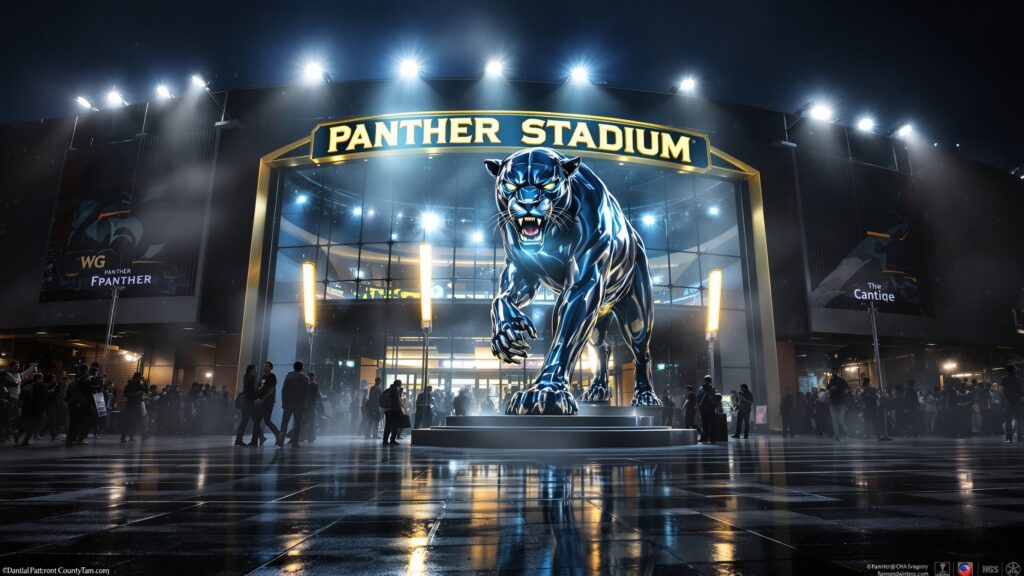
Professional sports teams, on the other hand, push for energy and presence. Sculptors use motion-filled poses, dramatic lighting, and bold finishes to evoke the high-stakes excitement of the game. Some mascots even transcend realism altogether. A stylized, futuristic figure—perhaps a cyber panther or mechanical hawk—becomes a visual spectacle, symbolizing modern athleticism and innovation.
No matter the style, the best mascot statues share one thing: they feel alive, even when frozen in time.
The Art and Engineering of Fabrication
Turning a two-dimensional mascot into a three-dimensional statue is a feat of both artistry and engineering. Each step is precise, requiring creativity, structural integrity, and craftsmanship.
Concept and Modeling
The process begins with concept sketches and digital modeling. Sculptors collaborate closely with team executives, designers, and branding departments to ensure the statue reflects the mascot’s true character and proportions. Using 3D modeling software, they refine every contour, expression, and gesture.Some studios even build miniature maquettes—small clay or resin models that help visualize pose, weight, and personality before scaling up.
Structural Planning
Engineers calculate internal frameworks and stress points, especially for statues that feature exaggerated poses—like a leaping tiger or a flying hawk. A steel armature forms the skeleton, ensuring stability for both indoor and outdoor installations.
Foam and Core Carving
Once approved, the digital design is translated into physical form. Using CNC routers and robotic mills, large foam blocks (often EPS or XPS) are cut to shape. Sculptors refine details by hand—adding fur textures, fabric folds, or facial expressions.
Hard Coating and Reinforcement
To transform the foam model into a durable structure, artisans apply polyurea coatings or layers of fiberglass resin, creating a rigid, impact-resistant surface. For outdoor installations, these coatings provide crucial weatherproofing and UV protection.
Painting and Finishing
After priming, scenic artists hand-paint the mascot in team colors, using layers of shading to add realism and energy. Clear protective coatings lock in color and shine, ensuring the statue withstands years of exposure to sunlight, rain, and game-day chaos.
Installation and Anchoring
Finally, the statue is transported—often in sections—and reassembled on-site. Anchoring systems secure it to concrete bases, while plaques, LED lighting, or engraved pedestals complete the presentation.
The result? A mascot brought to life with stunning realism and longevity—a permanent symbol of loyalty and pride.
Materials of Champions: What Brings Mascots to Life
Every great mascot statue begins with the right materials. The choice depends on the installation environment, desired realism, and budget—but quality always matters.
- Fiberglass: Lightweight, weather-resistant, and versatile—ideal for outdoor stadiums and campus plazas.
- EPS/XPS Foam: Used as the core for sculpting large shapes; coated for durability.
- Steel: Provides strength for internal framing, ensuring the statue stands up to wind and weight stress.
- Polyurea Coating: A fast-curing protective layer that resists impact and harsh weather conditions.
- Bronze and Aluminum: Used for classic or luxury installations, offering timeless appeal and unmatched longevity.
- Scenic Paints and Clear Coats: Add vibrancy, personality, and brand-accurate color matching.
When combined with skilled artistry, these materials transform into something extraordinary—a mascot that seems ready to jump off its pedestal and join the game.
Behind the Scenes: The Team Behind the Mascot
Building a sports mascot statue is rarely a solo endeavor. It’s a collaboration between designers, engineers, fabricators, and artists—all united by a shared mission: to bring the team’s soul to life. Designers shape personality and pose. Engineers ensure structure and safety. Sculptors craft detail and form. Painters breathe in the final burst of energy, matching colors to team palettes down to the exact Pantone. And beyond that, there’s storytelling. Every person in the process understands that they’re not just building a statue—they’re preserving a legacy. When that mascot stands outside its home field, glowing under stadium lights, it represents thousands of hours of human creativity, craftsmanship, and heart.
The Fan Experience: Where Art Meets Emotion
The real magic of mascot statues begins when the fans arrive. They snap photos, celebrate championships, and share emotional moments in front of these massive figures. Every pose, every expression becomes a part of team memory.
On game day, children tug at their parents’ hands to visit their favorite mascot. Alumni return decades later to find the same statue standing proudly, unchanged, welcoming them home. For locals, it’s more than art—it’s a gathering point, a source of pride, and a reflection of community identity. Some statues even play roles in rituals. Rubbing the paw of a bear, touching a talon, or tapping a helmet before the big game is said to bring luck. These rituals transform cold metal and foam into something sacred: a bridge between fan, team, and tradition.
A Stadium’s Signature: Designing for Place
A well-placed mascot statue can define the flow and atmosphere of an entire venue. Architects and urban designers now integrate these sculptures into master plans, ensuring they fit seamlessly within stadium layouts, plazas, and concourses.
In many arenas, mascot statues are intentionally positioned at gathering hubs—entrances, ticket areas, fan zones, or memorial gardens. This strategic placement creates moments of pause and reflection amid the excitement. Lighting design further enhances impact. Spotlights, ground LEDs, or dynamic color-changing systems can bring these sculptures to life at night—making them just as impressive after the final whistle. Some installations even project team logos or subtle animations across the statue’s base, creating a theatrical experience that fans remember long after they leave.
From Concept to Community Symbol
The journey of a mascot statue doesn’t end when the final brushstroke dries. Once unveiled, it becomes part of a living story—one that grows with each season, each victory, and each generation. Press unveilings often draw thousands. Fans line up to take the first photos, local news covers the event, and social media explodes with pride. The mascot becomes a permanent representative of the team’s legacy—standing witness to championships, heartbreaks, and comebacks alike. These sculptures also serve a deeper purpose: they immortalize shared passion. Even when stadiums are renovated or teams relocate, the mascot statue often travels with them, carrying decades of memory and identity to the next chapter.
How Mascot Statues Are Changing Modern Design
Today’s mascot sculptures are blending traditional artistry with futuristic technology. Fabricators now use 3D scanning and printing, augmented reality previews, and robotic carving to achieve flawless precision.
Some teams are experimenting with interactive statues—mascots that integrate lighting effects, sound cues, or digital QR experiences that let fans unlock exclusive content. Imagine touching your team’s mascot statue and triggering a short animation of your favorite player highlights or a roaring crowd sound.
The result is an evolution in how fans experience art and athletics. These statues no longer just represent teams—they interact with them, bridging the physical and digital worlds in ways that deepen connection.
The Future: Sculpting Legacy in the Age of Experience
As stadiums grow more sophisticated and fan engagement becomes more immersive, the importance of mascot statues will only increase. They serve as the emotional and visual anchors in a world of changing trends.
Future mascots may be illuminated with solar-powered LEDs, made from recycled materials, or even accompanied by holographic effects. But the essence will remain unchanged: pride, passion, and presence. In an age when digital experiences dominate, tangible art like mascot statues reminds us of something timeless—that feeling of standing in front of something larger than yourself, united with thousands of others by one simple truth: We belong here.
The Heart of the Game, Cast in Art
Sports mascot statues are more than sculptures—they’re symbols of loyalty, joy, and identity. They embody the stories of athletes and fans, past and future, in a single, powerful form. From their first sketches to their grand unveilings, these monuments stand as proof that art and sport are forever intertwined.
When the crowds disperse and the stadium lights go dim, the mascot remains—watching over the field, the city, and the generations of fans who will always call it theirs. Because in the end, every team needs a voice. And every voice deserves a monument.
Check out WhiteClouds’ 3D Statues for more information.
Contact us today to learn more about our 3D services and how we can help you achieve your goals.