Painting and Airbrushing Large Statues
We Build Custom 3D Statues
Did you know we make
custom
giant statues?
When Scale Meets Style
Painting a large statue is part science, part sorcery. It’s the point where artistry meets architecture—where gallons of paint, layers of technique, and hours of precision transform towering blanks of resin, foam, or metal into showstopping icons. Whether it’s a 15-foot mascot outside a stadium, a parade float centerpiece, or a monumental sculpture in a museum garden, large-scale statue painting demands skill, patience, and a flair for drama. In small art, a brushstroke whispers. In large art, it shouts. Every detail is amplified—texture, shading, even the faintest hue shift. When viewed from a distance of fifty feet, balance and tone behave differently. To conquer this scale, artists rely on specialized paints, oversized tools, and airbrushing techniques that marry craftsmanship with engineering. This is the world where surface meets spectacle. Let’s step into the colorful journey of painting and airbrushing large statues—from design planning to fabrication—and uncover how artisans bring these giants to life.

The Art of Scale: Understanding Monumental Surfaces
Before any pigment touches the surface, an artist must first understand what they’re working with. A six-inch figurine and a six-foot sculpture demand entirely different thinking. Large statues introduce challenges of gravity, texture, and light.
At this size, the environment becomes part of the canvas. Outdoor statues face UV radiation, wind, and rain, requiring durable coatings that resist fading and corrosion. Indoor installations must account for reflections, artificial light, and how viewers will walk around the piece.
Scale also redefines perspective. Fine details that look perfect up close may vanish when viewed from afar. That’s why painters use “distance composition,” exaggerating contrast and shadow so the design reads correctly from across a plaza. In large-scale work, subtlety doesn’t survive—boldness does. Every large statue begins as a conversation between art and physics: how color interacts with shape, how paint grips texture, and how scale changes emotion.
The Prep: Priming the Giant
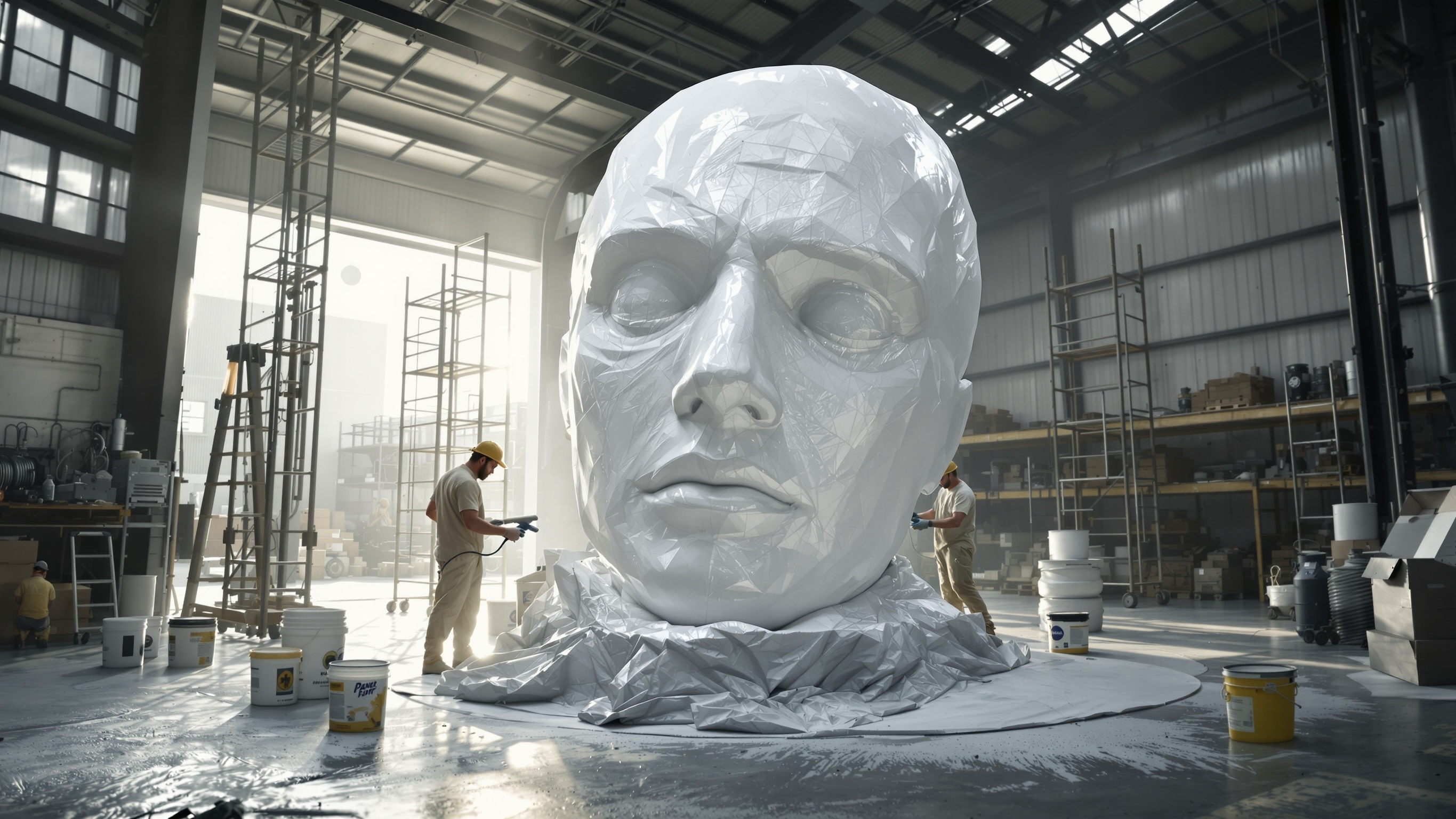
All great paint jobs start with something decidedly unglamorous—surface prep. For monumental pieces, preparation is 70% of the job. If the base isn’t flawless, even the finest airbrushing will fail. Depending on the statue’s material—fiberglass, foam, resin, concrete, or metal—different prep strategies apply. Fiberglass statues are sanded smooth and cleaned with degreasers to remove release agents from molding. Foam models are sealed with epoxy or hard-coat resin to prevent solvent absorption. Metal sculptures require sandblasting or priming to resist oxidation.
Then comes priming, the invisible foundation of brilliance. Primers are selected not only for adhesion but also color tone. A white primer brightens topcoats; a gray or tinted base can subtly warm or cool the final palette. For large outdoor pieces, industrial-grade epoxy primers are used, ensuring the paint bonds deeply to withstand the elements. At this stage, the statue looks ghostly and bare—but this neutral canvas is exactly what the artist needs before the colorstorm begins.
Choosing the Right Paints: Science Meets Expression
Painting a colossal form means balancing creativity with chemistry. Artists must choose paints that not only express their vision but also survive reality.
Acrylics dominate for indoor or temporary installations. They’re versatile, fast-drying, and easily airbrushed. For outdoor work, urethane, automotive enamels, and epoxy-based coatings reign supreme. These paints deliver vibrant color retention and exceptional durability, standing up to heat, rain, and sunlight for years.
Color choice itself changes with scale. Large forms demand simplified palettes and bolder tones, since atmospheric light and distance naturally desaturate fine color transitions. Artists often plan hues using mockups or 3D renderings to test how they’ll read in daylight.
For metallic statues, specialized chrome or pearlescent paints mimic the reflective brilliance of metal without the weight or cost. Clear coats with UV inhibitors seal the surface, ensuring the vibrancy doesn’t fade even after a decade of weathering. When painting giants, the paint is more than pigment—it’s armor.
Tools of the Trade: From Brushes to Blowers
The tools used to paint a life-sized sculpture would make a miniature modeler blush. Airbrushes expand to spray guns; brushes stretch to rollers; and scaffolding replaces the humble easel.
Airbrush systems are the heart of large-scale statue finishing. Artists use gravity-feed or siphon-feed guns powered by high-capacity compressors. With adjustable pressure, they can mist fine gradients or cover wide surfaces in even coats.
For ultra-large forms, HVLP (High Volume Low Pressure) spray systems ensure smooth coverage with minimal overspray—essential when painting outdoors or at height.
Traditional brushes still play a role, especially in fine detailing. Artists use long-handled sable or synthetic brushes for eyes, edges, and accent textures. Sponges and stencils help with pattern work—especially for scales, feathers, or architectural motifs.
Scaffolding, lifts, and harnesses round out the toolkit. Safety is paramount, as most statue painters spend as much time in the air as they do on the ground. Painting a giant is equal parts artistry and acrobatics.
The Airbrushing Process: Where the Magic Happens
Airbrushing turns a static sculpture into a living illusion. It’s where color breathes dimension into mass.
The process begins with base coating, a smooth layer that establishes general tone. Artists spray from consistent angles, ensuring even coverage and avoiding shadows that exaggerate imperfections.
Next comes gradient shading, where light and depth come alive. By layering transparent tones, artists simulate sunlight and shadow, making muscles flex, fabric fold, or metal gleam. The trick lies in restraint—each pass adds subtlety without obscuring form.
For organic textures—like skin, fur, or stone—stencils and masks are used to create intricate variations. Airbrush work allows blending impossible with brushes, giving statues a natural, photographic realism.
Special effects push the art even further: iridescent coatings that shift with light, glow-in-the-dark layers for nighttime installations, or even water-resistant metallics for fountains.
An expertly airbrushed statue doesn’t just look painted—it looks alive.
Detail and Drama: The Artist’s Touch
Once the main layers are complete, artists turn to detail—the storytelling stage. This is where emotion and character take shape. Fine brushwork defines edges, highlights, and expressive features. A statue’s eyes, for instance, demand special care; they’re the first thing a viewer connects with. Glazes add warmth to skin tones or patina to bronze finishes. Even small imperfections—scratches, weathering, cracks—can be intentionally painted to convey realism.
Lighting tests help refine contrast. Artists often view the statue under various angles of sunlight or spotlight to ensure colors stay consistent. For outdoor statues, hues must remain legible under cloud cover or direct glare. Every brushstroke contributes to the final illusion that this massive form isn’t just painted—it’s inhabited by personality and purpose.
The Clear Coat: Protecting the Masterpiece
No statue painting is complete without its invisible guardian: the clear coat.
Clear coats act as both sealant and enhancer. They deepen color, add sheen, and protect against UV light, moisture, and abrasion. For outdoor installations, multiple layers of automotive-grade polyurethane or two-part epoxy clear coats are sprayed in controlled environments or large-scale paint booths.
Gloss levels vary by design. A high-gloss finish gives a polished, heroic aura, while satin or matte finishes evoke realism or age. Some artists layer matte and gloss in different areas to create dynamic visual play under sunlight.
The coating process is meticulous—applied evenly, cured fully, and polished for perfection. A clear coat doesn’t just preserve art—it immortalizes it.
Fabrication Spotlight: How It’s All Built Before the Brush
Before any painting begins, the statue itself must exist—and that process is an art of fabrication worthy of its own stage.
Most large statues begin as digital models sculpted in 3D software. Once finalized, these designs are sectioned for physical production. Depending on scale and location, artists use CNC milling, foam carving, or 3D printing to form the basic shape.
Lightweight materials like EPS foam or urethane foam are often coated in polyurea or fiberglass for rigidity. The surface is then refined with body filler or sanded smooth to prepare for priming. Internal metal frames provide structure and anchoring points for installation.
When realism or texture is required—stone, muscle, fabric folds—artists hand-sculpt details in epoxy clay or resin before final curing. Once the fabrication is complete and the surface sealed, painters step in to work their magic.
The collaboration between fabricators and painters is seamless. Engineers ensure safety; artists ensure soul. The result is a form that’s structurally sound yet visually spellbinding.
The Outdoor Challenge: Battling the Elements
Painting a large outdoor statue is an endurance test—for both the artist and the artwork. Sunlight, rain, humidity, and pollution are relentless adversaries.
To withstand these, artists rely on marine-grade coatings and UV-stable pigments. Special weathering tests simulate years of exposure, ensuring the finish will hold its brilliance. For metallic finishes, anti-corrosion primers and sacrificial layers protect against rust and tarnish. Temperature also affects the process. Paint viscosity and drying time shift dramatically between morning coolness and midday heat. Many painters work during dawn or dusk to ensure ideal conditions.
Once installed, maintenance becomes part of the statue’s life cycle. Regular cleaning, occasional clear-coat touch-ups, and inspections keep the monument vivid for decades. In this way, painting large statues isn’t a one-time act—it’s a long-term relationship between art and environment.
Airbrushing vs. Hand Painting: Finding the Perfect Blend
Airbrushing may steal the spotlight, but hand painting remains indispensable. The most stunning large statues often combine both techniques. Airbrushing excels at gradients, atmospherics, and large-area coverage. It creates lifelike shadows, metallic illusions, and soft fades impossible with brushes alone. But brushes give intimacy—fine details, emotion, and tactile depth.
Many artists begin with airbrush base layers to establish light and shadow, then switch to brushes for highlights and features. This hybrid approach delivers both realism and human warmth—a polished yet personal finish. The best statue painters know that technique serves story. Whether it’s a mythological giant or a sports mascot, the method always follows meaning.
Specialty Effects: From Faux Finishes to Fantasy
In the world of large-scale painting, imagination knows no limits. Artists use advanced finishes to mimic materials and conjure illusions that blur art and reality.
Faux stone and oxidized metal effects give fiberglass or resin statues the gravitas of marble or bronze without the cost. Rust textures, verdigris patinas, and aged wood effects can be painted entirely by hand using layered glazes and sponges.
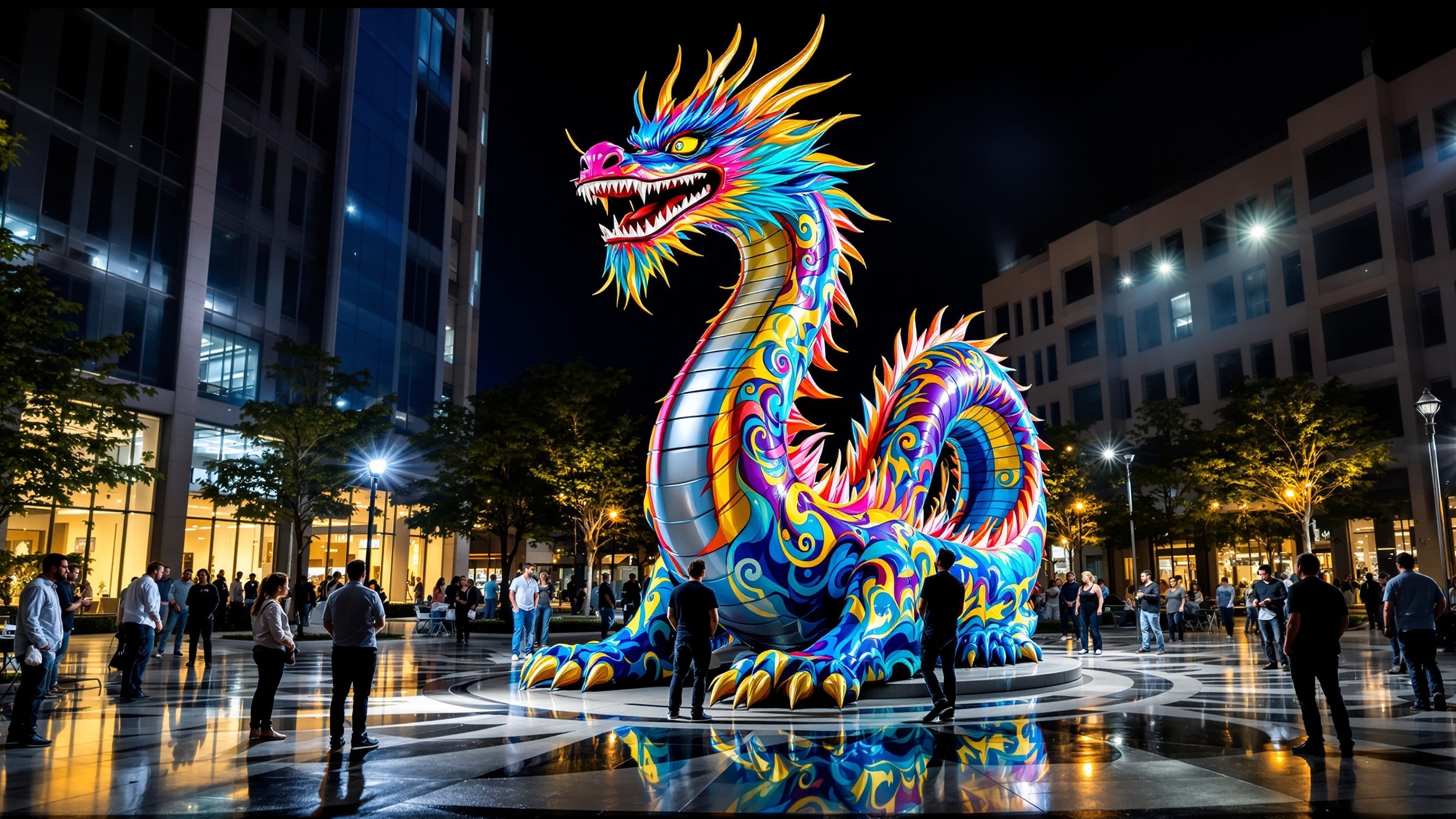
Fantasy installations often feature bold UV-reactive paints that glow under blacklight or metallic chameleon pigments that shift hue as viewers move. Theme park sculptures, parade floats, and movie sets frequently use these techniques to mesmerize audiences under changing light.
Each surface tells a different story—and paint is the language that makes it speak.
The Human Element: Collaboration and Craft
Painting and airbrushing large statues is rarely a solo act. It’s a symphony of specialists: designers, sculptors, painters, engineers, and riggers working in harmony. In professional studios, teams coordinate workflows like film production. Digital designers generate reference renders; fabricators handle structure and coating; painters bring the color narrative to life. Each stage depends on the previous one being executed flawlessly. Even logistics—like moving a 20-foot statue through city streets—becomes part of the creative challenge. Every crane lift, every bolt tightened, is part of making art tangible at a monumental scale. The final unveiling is often a public event, and when the drape falls, months of precision culminate in a single, collective gasp.
Sustainability and Innovation: The Green Giants
Modern artists are rethinking the environmental footprint of large statues. Traditional coatings often contain solvents and VOCs (volatile organic compounds) that can harm ecosystems.
In response, new water-borne acrylic systemsand low-VOC polyurethanes provide comparable durability with reduced emissions. Recycled metals, biodegradable hard coats, and eco-resins are replacing older, toxic materials.
Airbrush technology has also gone greener. Efficient HVLP systems minimize overspray, and digital mixing reduces waste. Artists can now achieve museum-grade finishes with a fraction of the environmental impact once associated with industrial paints. The next generation of monumental art won’t just be big—it’ll be responsible.
Lighting and Display: The Final Layer of Magic
A perfectly painted statue can still fall flat if lighting isn’t considered. For outdoor pieces, natural light dictates perception; for indoor or night displays, strategically placed spotlights and color washes reveal texture and tone. Some contemporary projects integrate LED lighting within the sculpture itself, illuminating airbrushed patterns from within. Transparent resins and diffused coatings allow internal light to glow softly through painted surfaces, creating dynamic, living monuments that change mood as night falls. Painting and lighting are two sides of the same coin—one defines color, the other defines emotion.
Why Airbrushing Large Statues Is an Art of Modern Mythmaking
Every civilization has left its mark in color and form—from the painted temples of ancient Egypt to the neon murals of today. Painting and airbrushing large statues continues that lineage of storytelling on a monumental scale.
It’s more than aesthetics; it’s identity. A painted statue can become a city’s emblem, a corporate mascot, a cultural symbol, or a statement of imagination. It tells passersby who we are and what we value, using nothing more than pigment and passion. In the hands of skilled artists, airbrushing isn’t just decoration—it’s mythology reborn. The giant stands not as stone, metal, or foam, but as an embodiment of human creativity, frozen mid-dream yet alive in every shade.
Color at Scale, Imagination Without Limits
To paint a large statue is to think big—literally and figuratively. It’s a craft that merges art, design, engineering, and endurance. Every brushstroke carries weight; every hue transforms a skyline.
From priming and fabrication to airbrushing and sealing, the process is as monumental as the artwork itself. It demands patience, teamwork, and a fearless embrace of scale. When done right, painting and airbrushing large statues creates more than visual spectacle—it creates memory. It captures the essence of imagination in tangible form, standing tall against time and weather, color blazing like a signature across the horizon.
In the end, these giants remind us that art isn’t limited by canvas or scale—it’s limited only by how far we dare to dream.