

Giant Monkey Statue: Playful Giants of Art, Culture, and Imagination
There’s something irresistible about monkeys. They’re mischievous, clever, playful, and uncannily human-like. Artists and storytellers have long been fascinated by their energy, curiosity, and unpredictable nature. Now imagine capturing that wild spirit in a colossal form—a giant monkey statue towering above parks, plazas, or roadside attractions. Such statues do more than decorate landscapes; they become playful landmarks, conversation starters, and cultural icons that blend humor, artistry, and engineering. The giant monkey statue is not just a sculpture; it’s a spectacle. It transforms familiar characteristics—grins, swinging arms, playful crouches—into monumental art. These statues delight children, intrigue tourists, and often symbolize deeper cultural meanings, from trickster gods in myth to celebrations of curiosity and adaptability. In this article, we’ll explore the history and symbolism of monkeys, the creative possibilities of giant monkey statues, famous examples around the world, and the fabrication techniques that bring these primate giants to life.
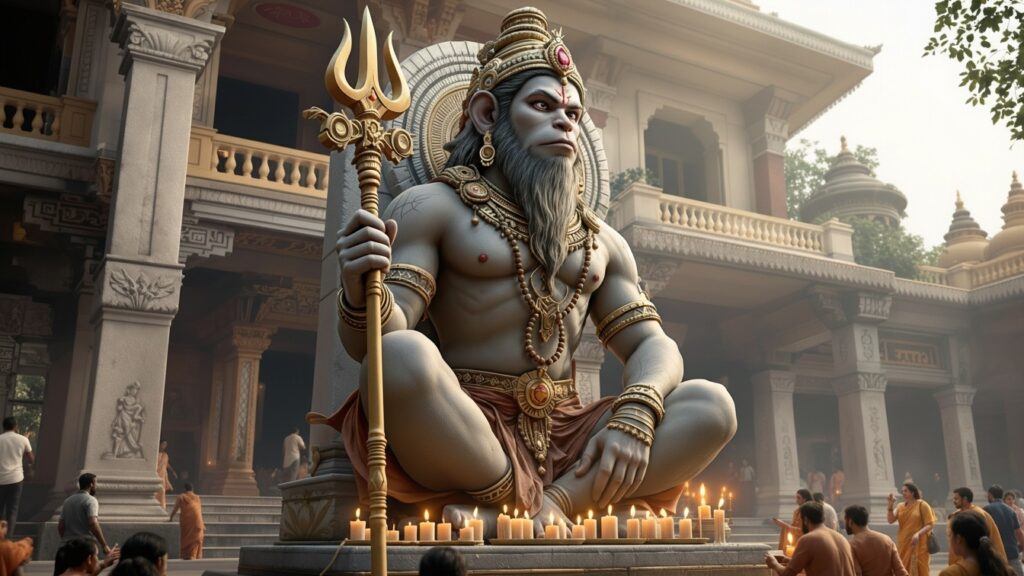
Monkeys in Culture and Mythology
Monkeys have been part of human imagination for centuries, appearing in folklore, religion, and storytelling across the globe. In Hindu mythology, the monkey god Hanuman represents loyalty, bravery, and divine strength. Revered in temples across India, Hanuman is often depicted in towering statue form, drawing millions of pilgrims and visitors each year.
In Chinese tradition, Sun Wukong, the Monkey King from Journey to the West, is one of the most beloved mythological figures. Clever, rebellious, and magical, he embodies freedom and wit, traits that make him an enduring hero. In other parts of Asia, monkeys are guardians, pranksters, or symbols of adaptability.
Even in Western culture, monkeys have their place. From mischievous sidekicks in literature to beloved characters in films like King Kong, Planet of the Apes, and animated classics, monkeys are often portrayed as both comic relief and mirrors of humanity. A giant monkey statue, then, can carry a broad spectrum of meaning—playful fun, cultural homage, or even powerful storytelling about human nature itself.
Why Giant Monkeys Capture Our Imagination
Monkeys are already entertaining at their normal scale. Scaling them up into giant statues exaggerates their qualities and makes their personality unavoidable. A giant monkey statue with an oversized grin or an outstretched arm immediately feels both whimsical and awe-inspiring.
The appeal comes from contrasts: a playful creature rendered at monumental scale becomes at once humorous and impressive. Tourists are drawn to climb its base, snap photos beside it, and share the experience online. Families love the approachable, almost cartoonish friendliness such statues often convey. Communities adopt them as mascots, injecting their environment with a sense of fun and lightheartedness. At the same time, giant monkey statues can take on more serious roles. A temple Hanuman statue inspires reverence. A Kong-inspired giant ape in a theme park inspires awe. Whether spiritual or entertaining, the giant monkey communicates energy, agility, and life.
Famous Monkey and Ape Statues Around the World
Hanuman Statues in India
Perhaps the most prominent examples of giant monkey statues are the massive Hanuman statues found across India. These towering figures often stretch over 100 feet, painted in vivid colors, with expressive faces and detailed ornaments. They aren’t just tourist attractions—they’re spiritual symbols, representing protection, devotion, and faith.
Sun Wukong Monuments in China
China is home to statues of the Monkey King, Sun Wukong, celebrated as a trickster hero. These statues often appear in theme parks, public squares, and cultural sites, showcasing the monkey with his golden staff and expressive, almost mischievous pose.
King Kong in Pop Culture
Although fictional, King Kong has inspired countless statues, from theme park animatronics to roadside attractions. Some depict him clutching buildings or roaring in ferocious detail. These statues highlight the darker, more primal side of the monkey archetype—strength, wildness, and untamed nature.
Playful Roadside Monkeys
Beyond myth and legend, many roadside attractions around the world feature giant monkey statues that lean into humor. Fiberglass monkeys with sunglasses, smiling apes in overalls, or cartoon-style gorillas at mini-golf courses all capture attention. These quirky creations may not carry spiritual weight, but they succeed in one key area: getting people to stop, smile, and snap a photo.
Styles and Artistic Interpretations
Just as monkeys themselves can be funny, frightening, or sacred, giant monkey statues come in many styles:
- Realistic Monkeys: Sculpted with fine detail, fur textures, and lifelike anatomy. These aim for authenticity, capturing the beauty of primates.
- Cartoonish Monkeys: Designed with exaggerated grins, bright colors, and friendly gestures. These are family-friendly and often used in theme parks.
- Cultural Monkeys: Depictions of Hanuman, Sun Wukong, or other mythological figures. These are often richly adorned, symbolic, and full of cultural storytelling.
- Abstract or Modernist Monkeys: Simplified into geometric shapes, polished metals, or stylized forms, these appeal to contemporary art sensibilities.
Each style creates a different emotional impact. A realistic gorilla at twice human size may inspire awe or intimidation. A cartoon monkey waving to passersby invites laughter and approachability.
The Fabrication of a Giant Monkey Statue
Bringing a giant monkey to life is no simple task. It requires a blend of artistry, engineering, and craftsmanship. Here’s how such a statue might be created:
Concept and Design
The process starts with artistic vision. Sketches and digital 3D models define the pose, scale, and style of the monkey. Will it be crouched, climbing, or standing tall with arms raised? Designers experiment with proportions to ensure the statue communicates the intended personality—playful, powerful, or reverent.
Structural Framework
Large statues require internal skeletons, often built from steel or reinforced aluminum. For a monkey statue, engineers pay close attention to balance. If the monkey is leaning forward, the skeleton must be counterweighted. If arms extend outward, they need additional bracing to prevent sagging or breakage over time.
Body Formation
Once the skeleton is ready, artisans apply high-density foam, clay, or other sculpting materials around it. CNC milling machines can carve out rough monkey shapes from foam blocks, later refined by hand sculpting. Artists define muscles, fur patterns, and facial expressions at this stage.
Surface Coating and Finishing
To protect against weather, the surface is coated in fiberglass, resin, or metal sheeting. For bronze or copper effects, casting techniques or metallic paints can be used. Stone-like finishes are created with cementitious coatings. For colorful, cartoonish monkeys, industrial paints with UV protection ensure the statue retains its vibrancy outdoors.
Assembly and Installation
Because of their size, giant monkey statues are often fabricated in sections. The head, torso, arms, and legs may be built separately, transported to the site, and assembled with cranes. Foundations are critical, especially for tall or top-heavy designs. Engineers calculate wind resistance to prevent toppling.
Final Details
Once installed, artists add finishing touches—detailed textures, polished surfaces, expressive eyes, or even interactive elements. Some modern statues incorporate lighting, water features, or even moving parts to make the monkey appear more alive. The result is a work that merges artistry with engineering, turning playful primate spirit into a permanent landmark.
Tourism and the Selfie Factor
Like all giant statues, giant monkey statues thrive in the age of smartphones. They’re irresistible for selfies and social media posts. Visitors pose at their feet, mimic their expressions, or stage playful group photos. This shareability is part of what makes these statues such powerful tourist magnets. Communities that install a giant monkey statue aren’t just investing in public art—they’re creating a destination. Visitors stop, spend money locally, and spread the word online. For theme parks and roadside attractions, a giant monkey becomes the centerpiece of the experience.
Monkey Symbolism in the Modern World
While monkeys are often seen as humorous, they also carry deeper symbolic weight. In a fast-changing, unpredictable world, they remind us of adaptability and resourcefulness. They embody curiosity and remind us to embrace play, even as adults. In spiritual traditions, monkey deities remind us of devotion, strength, and humility. In pop culture, monkeys highlight the thin line between humanity and wildness. A giant monkey statue, whether serious or whimsical, gives physical form to these ideas, standing as a reminder of the many faces of the monkey archetype.
Innovation and the Future of Giant Monkey Statues
The future of monumental sculpture is evolving rapidly, and giant monkey statues are no exception. With 3D printing and digital fabrication, sculptors can create more precise, lightweight components. Augmented reality could add layers of interactivity, allowing visitors to see the monkey “move” through their smartphones.
Imagine a monkey statue whose eyes light up at night, or one that releases jungle sound effects when people approach. Some future statues may be kinetic, with arms that swing or heads that turn. As technology merges with tradition, tomorrow’s giant monkey statues will not just be monuments but immersive experiences.
Conclusion: The Playful Power of Giants
The giant monkey statue is more than oversized art—it’s an expression of joy, humor, and culture on a monumental scale. From sacred Hanuman figures to mischievous roadside monkeys, these statues remind us of the playful side of life. They inspire awe, laughter, and sometimes reverence, all while drawing communities together and attracting travelers from afar.
Whether realistic or cartoonish, modern or mythological, a giant monkey statue embodies the endless fascination we have with primates. They reflect us back to ourselves—curious, clever, mischievous, and resilient. And as fabrication techniques evolve, the monkey statues of the future will only grow more interactive, more dynamic, and more unforgettable. So next time you encounter a giant monkey statue, pause for a moment. Look into its eyes, take in its pose, and feel the energy it radiates. These playful giants are reminders that art doesn’t always need to be serious—it can swing, grin, and celebrate life in monumental style.
Check out WhiteClouds’ 3D Statues for more information.
Contact us today to learn more about our 3D services and how we can help you achieve your goals.