

How Foam Letters Add Flavor, Style, and Identity to Restaurants and Cafés
Walk past a bustling city block or into a cozy corner café, and one thing always catches the eye before the menu ever does—the signage. In the world of hospitality, first impressions are everything. Guests often decide where to dine or grab their morning latte based on a combination of ambiance, accessibility, and curb appeal. Among the many tools restaurateurs and café owners use to draw people in, foam letters have quietly become one of the most effective and versatile branding solutions. With their three-dimensional appeal, endless customization, and ability to blend seamlessly into any aesthetic, foam letters don’t just display a name; they create an atmosphere. For restaurants and cafés looking to stand out in a crowded marketplace, these stylish letters are more than signage—they’re part of the dining experience itself.
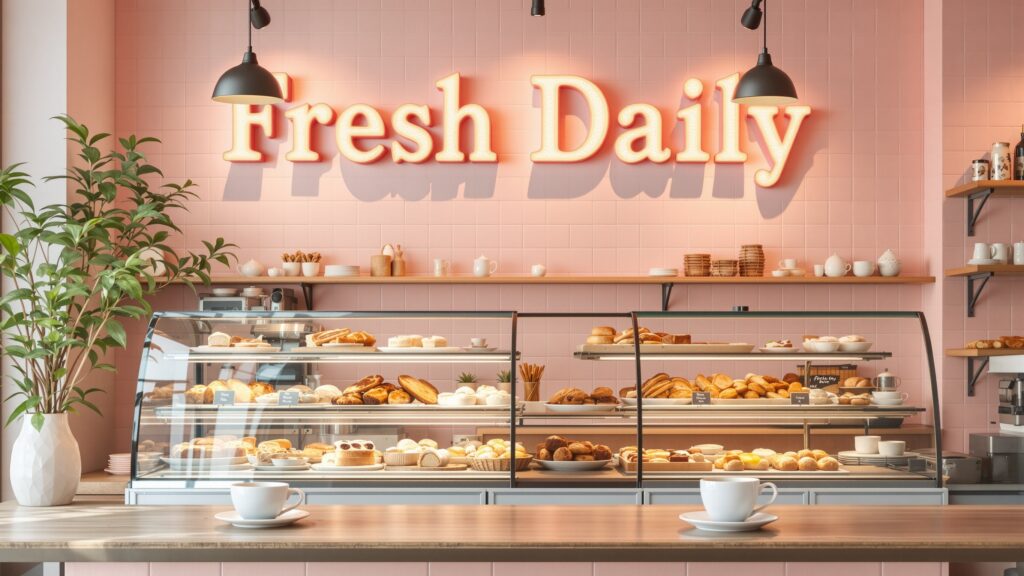
Why Foam Letters Are Perfect for Restaurants and Cafés
Restaurants and cafés operate in highly competitive environments, where design and ambiance often matter as much as the food. Foam letters are a natural fit for these spaces for several reasons.
First, they offer flexibility. Whether you’re running a high-end restaurant with a refined aesthetic or a quirky coffee shop that thrives on eclectic charm, foam letters can be fabricated to match your brand personality. From sleek metallic finishes to rustic, hand-painted looks, they adapt effortlessly to your vision.
Second, they are lightweight and affordable. Compared to heavy wood, glass, or metal signage, foam letters are easier to mount, move, and update. This is a huge advantage for cafés that frequently change interiors or restaurants that undergo seasonal redesigns.
Finally, they bring dimension and depth. Unlike flat vinyl signs, foam letters create shadows, textures, and visual intrigue. This makes them inherently more photogenic—a valuable trait in an era where Instagrammable décor can be as powerful as word-of-mouth marketing.
Aesthetic Possibilities: From Rustic Charm to Modern Chic
One of foam lettering’s greatest strengths is its adaptability across design styles. Restaurants and cafés can use them in countless creative ways:
A farm-to-table restaurant might choose earth-toned foam letters with a textured, stone-like finish to emphasize natural, wholesome dining. A downtown espresso bar may opt for oversized, glossy black foam letters illuminated by backlit LEDs, giving the space an urban edge. A family-friendly café could display playful, brightly colored foam letters with whimsical fonts that radiate warmth and approachability.
Even within a single space, foam letters can serve multiple functions. Large statement signage can anchor an exterior storefront, while smaller, stylized foam lettering can add character inside—perhaps spelling out a menu item, inspirational quote, or even just a simple “Coffee” along a feature wall. Because foam letters can be cut into virtually any font, thickness, or shape, they make it easy for brands to express their personality down to the smallest detail.
The Power of Photogenic Signage
In today’s digital-first dining culture, restaurants and cafés aren’t just feeding guests—they’re providing shareable moments. Diners love snapping photos of beautifully designed interiors and posting them online. Foam letters, with their bold three-dimensional presence, often become natural backdrops for these photos.
Imagine a café wall where oversized foam letters spell out the brand name in neon-painted hues. Every selfie taken against that backdrop doubles as organic marketing, spreading brand awareness far beyond the physical space. Similarly, an elegant restaurant might place a phrase in foam letters above its wine rack, encouraging diners to capture the vibe and share it online. In this way, foam letters function not only as signage but also as marketing tools, designed to live on in guests’ digital memories.
Practical Advantages in Hospitality Spaces
The hospitality industry demands signage solutions that are not just stylish but also practical. Foam letters meet that challenge with ease.
- Lightweight and easy to install – They can be mounted on brick, drywall, glass, or wood without complex construction.
- Durable finishes – When properly coated, foam letters withstand moisture, grease, and the wear of high-traffic areas.
- Budget-friendly – Foam provides a high-impact look without draining marketing budgets.
- Changeable and updatable – For seasonal menus, pop-ups, or special events, foam letters can be swapped or repainted quickly.
This flexibility is particularly valuable for cafés that thrive on rotating themes or restaurants that regularly reinvent their interior décor.
The Fabrication Process: From Concept to Installation
Foam letters may look effortless once installed, but their fabrication involves a careful mix of design, precision, and craftsmanship. Here’s how they typically come to life:
1. Concept and Design
The journey begins with branding. A restaurant’s logo, name, or tagline is converted into a digital vector file, ensuring perfect scaling and proportions. Designers collaborate with owners to select fonts, colors, thickness, and finishes that reflect the space’s personality.
2. Material Selection
High-density foam is the preferred choice for signage. Unlike cheaper alternatives, high-density foam resists denting and ensures sharp edges. The thickness chosen can create subtle dimension or bold, oversized impact.
3. Precision Cutting
Computer-controlled CNC routers or laser-guided hot-wire machines cut the foam with exceptional accuracy. This technology allows intricate fonts, detailed logos, and even layered designs to be reproduced faithfully.
4. Sanding and Shaping
Edges are sanded smooth, and additional shaping may be done to bevel or curve the lettering. This stage ensures a clean, professional appearance.
5. Finishing
Foam letters can be primed, painted, or laminated depending on the design. Common finishes for restaurants include glossy paint, faux wood grain, metallic laminates, or textured coatings that mimic stone or brick. For exterior use, UV-resistant coatings are often applied.
6. Mounting Preparation
Mounting hardware—studs, adhesives, or spacers—is added. For restaurants and cafés, spacers are often used to create depth, allowing light to interact dynamically with the letters. Some installations even incorporate LED backlighting for a striking glow.
7. Installation
Finally, the letters are carefully mounted in the chosen location, whether it’s the storefront façade, behind a counter, or along an accent wall. The result: signage that feels like it belongs to the space.
Interior Applications: Beyond the Front Door
While foam letters are highly effective for exterior signage, they also shine indoors. Cafés often use them as decorative elements, spelling out short, impactful words like “Espresso,” “Latte,” or “Brew.” Restaurants may employ foam lettering for artistic menu boards or to highlight specialty items. Inside spaces, foam letters can also serve as mood setters. For example, a rustic pizzeria might install a wall-sized phrase like “Made with Love” in hand-painted foam letters, while a chic wine bar might spell out “Sip & Savor” in sleek metallic finishes. These elements not only reinforce brand values but also make spaces feel curated and intentional.
Exterior Signage: Making the Curb Appeal Count
For many diners, the decision to enter a restaurant or café is made in a matter of seconds while walking past. Foam letters, mounted on exterior façades, provide the bold, visible branding needed to attract attention.
Unlike heavy materials, foam letters are relatively easy to mount outdoors, and with proper finishes, they can withstand weather elements. For example, a seaside café might use foam letters with marine-grade coatings, while an urban restaurant might choose graffiti-inspired designs to stand out in a busy district. The versatility of foam allows businesses to create exterior signage that reflects both environment and identity.
Creating Atmosphere and Storytelling
Every restaurant and café tells a story. Foam letters help put that story into words—literally. They are more than just functional identifiers; they are storytelling devices. A vegan café might install a green plant wall with white foam letters spelling out a wellness-focused slogan. A bakery could highlight the word “Fresh” in oversized script near its pastry display. A fine-dining restaurant might subtly integrate its initials in metallic foam letters above the entrance, signaling elegance without overpowering. These touches turn physical spaces into narratives, making guests feel part of something more than just a meal.
Cost-Effectiveness Without Sacrificing Style
Running a restaurant or café comes with tight margins, and décor budgets are often limited. Foam letters are a cost-effective solution that still delivers high design impact. Because they’re lightweight and easy to fabricate, foam letters typically cost significantly less than wood, stone, or solid metal signage. Yet when finished with metallic laminates, textured coatings, or acrylic overlays, they can convincingly mimic those premium materials. This makes them a smart investment for small cafés and large restaurants alike.
Trends in Restaurant and Café Signage
Design trends in hospitality evolve quickly, and foam lettering has proven adaptable to these shifts. Some of the current trends include:
- Backlit signage with warm LEDs, perfect for creating cozy atmospheres in cafés.
- Oversized typography that dominates walls, doubling as photo opportunities.
- Layered designs, where foam letters are combined with murals, greenery, or neon tubing.
- Minimalist elegance, with simple sans-serif fonts in matte finishes for upscale restaurants.
By staying versatile, foam letters ensure restaurants and cafés can evolve their look without major investments.
Sustainability and Eco-Friendly Options
More and more diners value sustainability, and many restaurants are weaving eco-conscious practices into their branding. Foam letters can contribute to these goals when produced with recyclable or eco-friendly foams. Lightweight signage also reduces transport energy compared to heavier materials. Some fabricators even incorporate water-based paints and low-VOC finishes, making foam signage greener without compromising aesthetics.
Foam Letters as an Extension of Hospitality
Hospitality isn’t just about serving food and drinks—it’s about creating an experience that resonates long after the meal is over. Foam letters are part of that experience. They welcome guests before the first bite, set the mood as they linger, and often live on in photos shared online. They give a voice to the walls of a restaurant or café, reinforcing identity and making guests feel they’re part of something thoughtful and designed with care. In an industry built on impressions, these details make a difference.
Conclusion: Signage That Serves Success
From their affordability to their aesthetic versatility, foam letters are the unsung heroes of restaurant and café design. They combine practicality with style, transforming ordinary spaces into branded experiences that capture attention, build loyalty, and even generate organic marketing through social sharing.
Whether bold and urban, rustic and charming, or sleek and modern, foam letters adapt to the personality of every eatery. They are not just signs but statements—visual expressions of hospitality, creativity, and pride. For restaurants and cafés striving to create lasting impressions, foam letters aren’t just decoration. They’re part of the recipe for success.
Check out WhiteClouds’ Large Letters for more information.
Contact us today to learn more about our 3D services and how we can help you achieve your goals.